1.Introduction
Industrial Transformer Pakistan plays a critical role in powering the country’s rapidly expanding industrial zones and Special Economic Zones (SEZs). As Pakistan continues to develop manufacturing hubs under the China-Pakistan Economic Corridor (CPEC), reliable Industrial Transformer Pakistan solutions have become essential for ensuring uninterrupted power supply to factories and heavy industries.
Pakistan’s industrial sector is experiencing significant growth, driven by initiatives like CPEC and the establishment of numerous industrial estates across Punjab, Sindh, and Balochistan. From Allama Iqbal Industrial City to Rashakai SEZ, these hubs are attracting major investments in textiles, automotive, pharmaceuticals, and engineering sectors. However, reliable power distribution remains one of the biggest operational challenges.
This comprehensive guide explores the key challenges facing Industrial Transformer Pakistan installations and delivers practical, proven solutions tailored to local operating conditions.
In the following sections, we will examine the power landscape, detail specific pain points, and outline actionable strategies that enhance efficiency, reduce downtime, and support sustainable growth.
Pakistan’s industrial growth is closely tied to initiatives like the China-Pakistan Economic Corridor (CPEC), with multiple Special Economic Zones driving demand for reliable power infrastructure.
If you are planning or operating facilities in Pakistan’s industrial zones and facing power reliability issues with your Industrial Transformer Pakistan setup, this guide offers practical insights.
👉Feel free to contact our team for a site-specific consultation.
Оглавление
- Введение
- The Role of Industrial Transformers in Pakistan’s Growing Economy
- Major Challenges Facing Industrial Transformers in Pakistan
- Environmental and Operational Stressors
- Technical and Grid-Related Issues
- Proven Solutions for Reliable Industrial Transformer Performance in Pakistan
- Advanced Transformer Technologies and Designs
- Best Practices for Selection, Installation, and Maintenance
- Case Studies and Real-World Applications in Pakistani Industrial Zones
- Future Outlook and Recommendations
- Заключение
2.The Role of Industrial Transformers in Pakistan’s Growing Economy
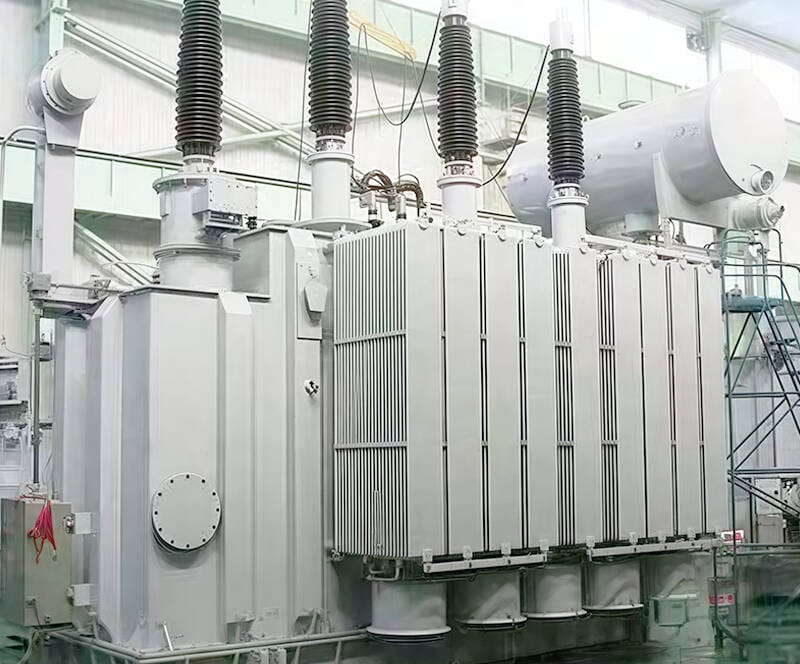
Industrial transformers Pakistan are the backbone of modern manufacturing. These units—ranging from distribution transformers to high-capacity power transformers—ensure stable voltage supply for heavy machinery, HVAC systems, lighting, and automated production lines.
Pakistan’s electricity sector has an installed capacity exceeding 46,000 MW, yet dependable and dispatched power often falls significantly lower due to transmission losses, inefficiencies, and other constraints. Industrial consumers, who account for a substantial portion of national demand, suffer disproportionately.
In SEZs and industrial zones, industrial transformers must handle variable loads, integrate with captive power or renewables, and comply with standards set by NEPRA and NTDC. Reliable transformers directly impact productivity, energy costs, and competitiveness in export markets.
Key benefits of well-designed industrial transformer Pakistan installations include:
- Reduced energy losses
- Improved power quality
- Enhanced equipment lifespan
- Support for Industry 4.0 automation
Without proper solutions, industries face higher operational expenditures and lost opportunities. This is particularly relevant in CPEC-linked zones where uninterrupted power is a prerequisite for foreign investment.
3.Major Challenges Facing Industrial Transformers in Pakistan
Pakistan’s industrial landscape presents a unique set of obstacles for industrial transformers. Frequent load shedding, extreme weather, and grid instability compound to create high-risk operating conditions. According to industry reports, high ambient temperatures and grid instability continue to challenge power distribution equipment across Pakistani industrial zones.
4.Environmental and Operational Stressors
Pakistan’s climate poses severe tests for transformers. Many regions experience summer temperatures exceeding 50°C, far above the standard 40°C ambient rating used in IEC designs. High heat accelerates insulation degradation, reduces cooling efficiency, and shortens transformer life—potentially halving it for every 10°C rise above rated temperatures.
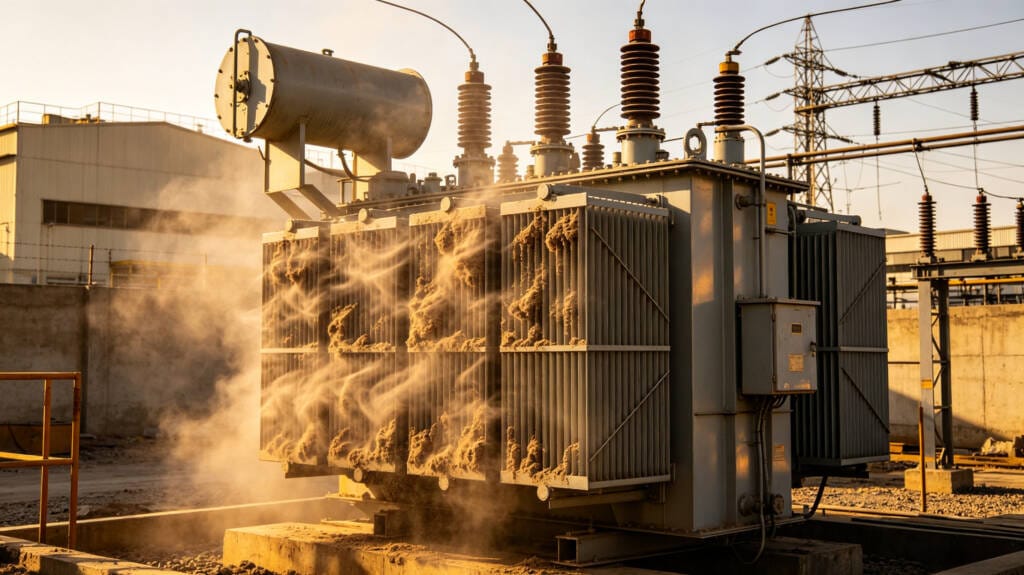
Dust storms, common in Punjab and Sindh, clog radiators and filters, leading to overheating. Humidity in coastal areas like Karachi promotes corrosion and moisture ingress, while monsoon flooding risks water damage to substations.
Table 1: Impact of Environmental Factors on Industrial Transformers in Pakistan
| Factor | Typical Conditions in Pakistan | Effect on Transformers | Potential Consequences |
|---|---|---|---|
| High Ambient Temp | 45–55°C in summer | Reduced cooling efficiency | Overheating, insulation failure |
| Dust & Sand | Frequent in arid zones | Clogged cooling systems | Increased losses, hotspots |
| Humidity/Corrosion | Coastal & monsoon areas | Moisture ingress, rust | Dielectric breakdown |
| Altitude Variations | Northern & western regions | Lower air density | Derated performance |
These conditions make standard off-the-shelf transformers unsuitable for many industrial transformer Pakistan applications.
5.Technical and Grid-Related Issues
Load shedding remains a persistent challenge. Although improvements have occurred, industries still face scheduled and unscheduled outages, forcing reliance on backup generators that can overload transformers during transitions.
Voltage fluctuations and harmonics from unstable grids further stress windings and cores. Overloading of distribution transformers is widespread, with reports indicating many units operating beyond safe limits.
Other issues include:
- High AT&C (Aggregate Technical & Commercial) losses
- Supply chain delays for spare parts
- Limited local manufacturing capacity for specialized units
- Harmonic distortion from modern VFDs and renewable integrations
These factors contribute to frequent failures, production halts, and safety risks in Pakistan industrial zones.
6.Proven Solutions for Reliable Industrial Transformer Performance in Pakistan
Addressing these challenges requires tailored approaches combining robust design, smart technology, and proactive management. All recommended industrial transformers in Pakistan should comply with the international standard МЭК 60076 for power transformers.
7.Advanced Transformer Technologies and Designs
High-temperature insulation systems (Class F or H) are essential for industrial transformers in Pakistan. These allow safe operation at elevated ambients with minimal derating.
Dry-type transformers offer advantages in dusty or humid environments due to their cast resin encapsulation, eliminating oil-related fire and maintenance risks. They are increasingly popular in indoor industrial settings and SEZs.
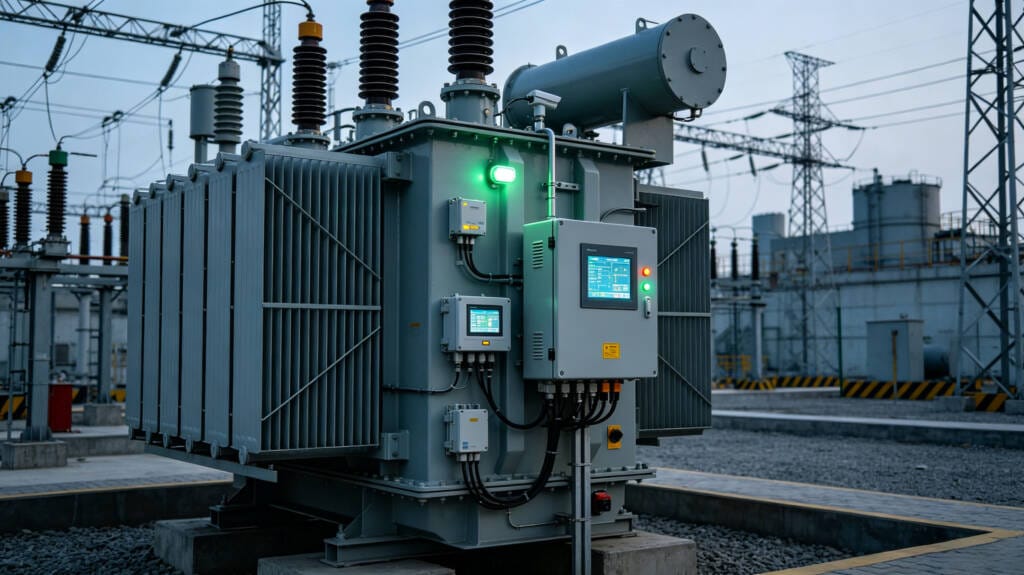
Oil-immersed units with enhanced cooling (ONAF or OFAF) suit outdoor high-capacity needs. Features like conservator tanks, Buchholz relays, and silica gel breathers improve reliability.
Voltage regulation distribution transformers (VRDTs) help mitigate fluctuations common in weaker grids.
Table 2: Transformer Type Comparison for Pakistani Industrial Applications
| Тип трансформатора | Best For | Advantages in Pakistan Context | Considerations |
|---|---|---|---|
| Oil-Immersed (ONAN/ONAF) | High capacity, outdoor | Excellent cooling, cost-effective for large loads | Oil maintenance, fire risk |
| Сухой тип (литая смола) | Indoor, dusty/humid zones | Fire-safe, low maintenance, dust resistant | Higher initial cost |
| Hermetically Sealed | Corrosive or remote areas | No moisture ingress, reduced maintenance | Limited repairability |
| With OLTC & Monitoring | Variable loads, SEZs | Voltage stability, predictive maintenance | Requires expertise |
Integration with solar and hybrid systems is another forward-looking solution. Transformers designed for bidirectional power flow support renewable integration, reducing dependence on the national grid and lowering costs.
8.Best Practices for Selection, Installation, and Maintenance
Selecting the right industrial transformer Pakistan involves thorough load analysis, future growth projections, and site-specific derating. Engage qualified engineers early to specify according to IEC standards and local regulations.
Installation best practices:
- Proper ventilation and shading for outdoor units
- Elevated foundations in flood-prone areas
- Vibration dampening in heavy industrial settings
Predictive maintenance using dissolved gas analysis (DGA), thermal imaging, and online monitoring systems can prevent catastrophic failures. Regular oil testing and cleaning of radiators are critical in dusty environments.
Training local technicians builds long-term capability and reduces downtime.
Selecting and installing the right industrial transformer in Pakistan requires expert evaluation of your load profile and environmental conditions.
9.Case Studies and Real-World Applications in Pakistani Industrial Zones
In CPEC SEZs like Allama Iqbal Industrial City, projects have successfully deployed high-voltage transformers to support large-scale manufacturing. These installations incorporate advanced cooling and monitoring to handle peak loads and grid variability.
Textile plants in Faisalabad have reported significant improvements after upgrading to energy-efficient, high-insulation-class transformers, reducing failure rates and energy bills.
A hypothetical yet representative case: A Lahore-based engineering firm faced repeated outages and overheating. Switching to custom dry-type units with Class H insulation and integrated monitoring cut downtime by over 70% and extended asset life.
Such examples demonstrate that investing in quality industrial transformer Pakistan solutions yields strong ROI through reliability and efficiency gains.
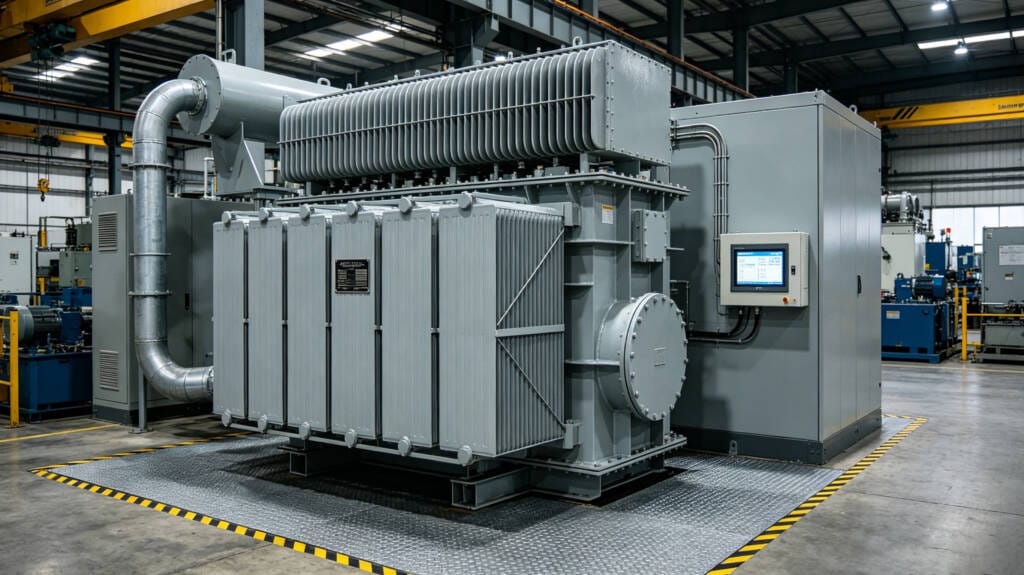
These real-world examples demonstrate how properly engineered solutions can dramatically reduce downtime. Ready to upgrade your power infrastructure?
10.Future Outlook and Recommendations
Pakistan’s power sector is evolving with privatization efforts, renewable expansion, and grid modernization. For industrial zones, this means opportunities for microgrids, smart substations, and more resilient industrial transformers.
Recommendations:
- Prioritize transformers with proven performance in high-ambient, high-dust conditions.
- Conduct comprehensive site audits before procurement.
- Partner with suppliers offering local support, warranties, and spare parts availability.
- Advocate for policy support in SEZs for dedicated industrial feeders and incentives for energy-efficient equipment.
- Invest in digital twins and IoT monitoring for next-generation reliability.
By addressing challenges head-on, industrial transformers in Pakistan can become enablers of growth rather than constraints.
11.Conclusion
Industrial Transformer Pakistan deployments face real hurdles—from scorching heat and dust to grid instability and load variations. Yet, with the right combination of advanced designs, proper selection, and diligent maintenance, these challenges are surmountable.
High-quality, application-specific transformers deliver stable power, protect valuable machinery, minimize losses, and support Pakistan’s industrial ambitions under CPEC and beyond. For facility managers and investors in industrial zones, partnering with experienced providers is the smartest path to operational excellence.
Ongoing power sector reforms and modernization efforts are expected to improve reliability for industrial consumers in the coming years.
If your operations in Pakistan require reliable power solutions, consider a professional assessment of your transformer needs.
12.FAQs
Q: What makes industrial transformers different in Pakistan compared to temperate climates?
A: Extreme heat, dust, and grid fluctuations demand higher insulation classes, robust cooling, and often derating or specialized designs.
Q: Are dry-type transformers suitable for Pakistani factories?
A: Yes, especially in indoor or dust-prone environments due to their resilience and safety features.
Q: How can businesses reduce transformer-related downtime?
A: Implement monitoring systems, schedule preventive maintenance, and choose units rated for local conditions.
Investing wisely in industrial transformer Pakistan infrastructure will pay dividends for years to come.