1.Introduction
An isolation transformer is a critical component in electrical systems that provides electrical isolation between circuits while transferring power safely. It prevents electrical shocks, reduces voltage spikes, and improves power quality. Whether you are looking for isolation transformers for sensitive equipment, medical isolation transformers, or industrial applications, understanding its working principle, types, and benefits is crucial.
In this article, we will cover everything about isolation transformers, including their advantages, disadvantages, types, applications, and how to choose the right one. You will also learn the difference between isolation transformers vs autotransformers, and discover why they are essential for safety, noise reduction, and voltage surge protection.
Looking for a reliable isolation transformer for your project?
👉 Contact our team today for expert advice and fast quotations.
Table of Contents (TOC)
- Introduction
- What Is an Isolation Transformer?
- Types of Isolation Transformers
- Isolation Transformer vs Autotransformer
- Advantages of Isolation Transformers
- Disadvantages and Considerations
- Applications of Isolation Transformers
- How to Choose the Right Isolation Transformer
- FAQs
- Conclusion
2.What Is an Isolation Transformer?
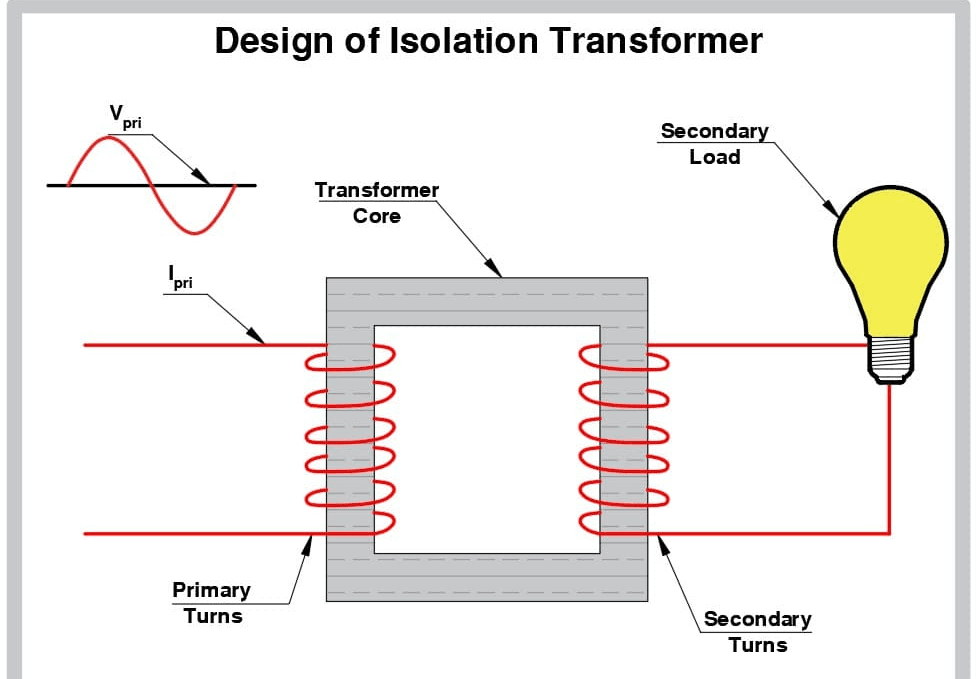
An isolation transformer, also called an electrical isolation transformer or galvanic isolation transformer, is a type of transformer designed to electrically separate two circuits while transferring electrical energy. It has two main windings: أساسي و ثانوي. These windings are not directly connected, which provides complete electrical isolation.
Working Principle
- Electrical energy is transferred from the primary winding to the secondary winding using magnetic induction.
- There is no direct electrical connection, which protects devices and humans from potential electrical faults.
- Isolation transformers help prevent ground loops and reduce electrical noise.
If you want to understand how transformers function at a deeper level, you can also explore the transformer working principle.
In many applications, isolation transformers are built following global engineering guidelines such as the IEEE Transformer Standards, which define performance and safety requirements.
3.Types of Isolation Transformers
There are several types of isolation transformers, each suited for specific applications.
1. Standard Isolation Transformers
- Commonly used in industrial and commercial electrical systems.
- Provide basic electrical isolation and voltage stabilization.
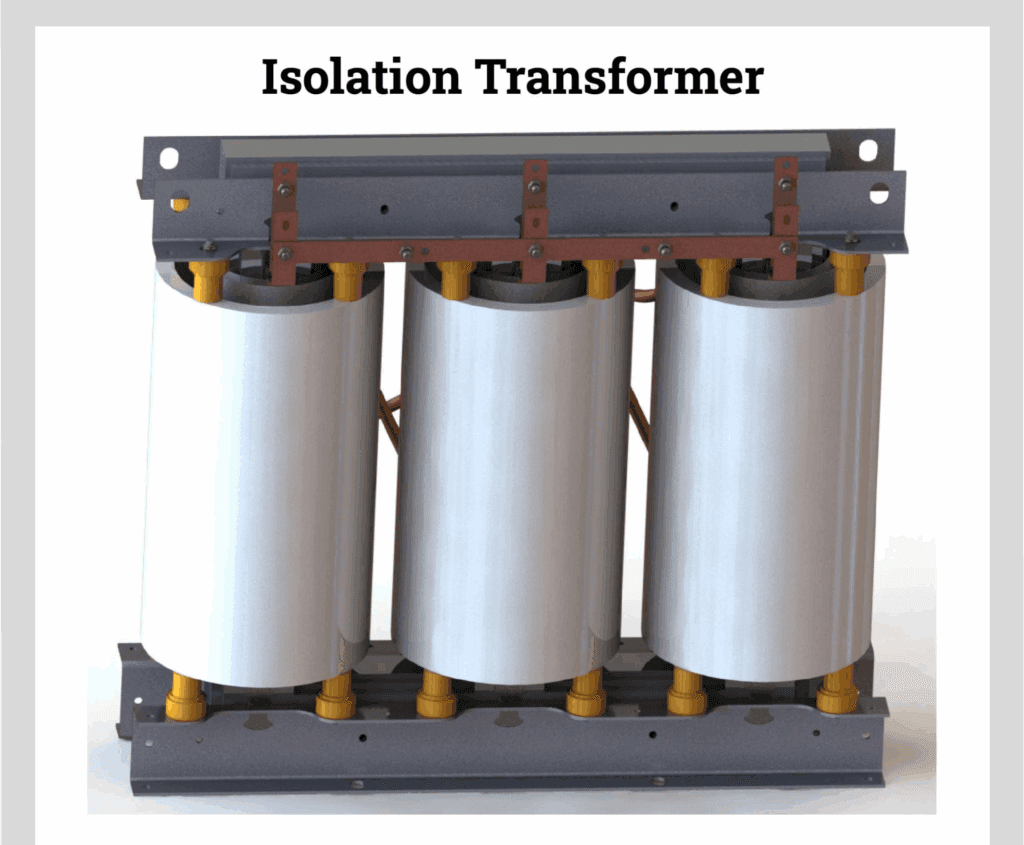
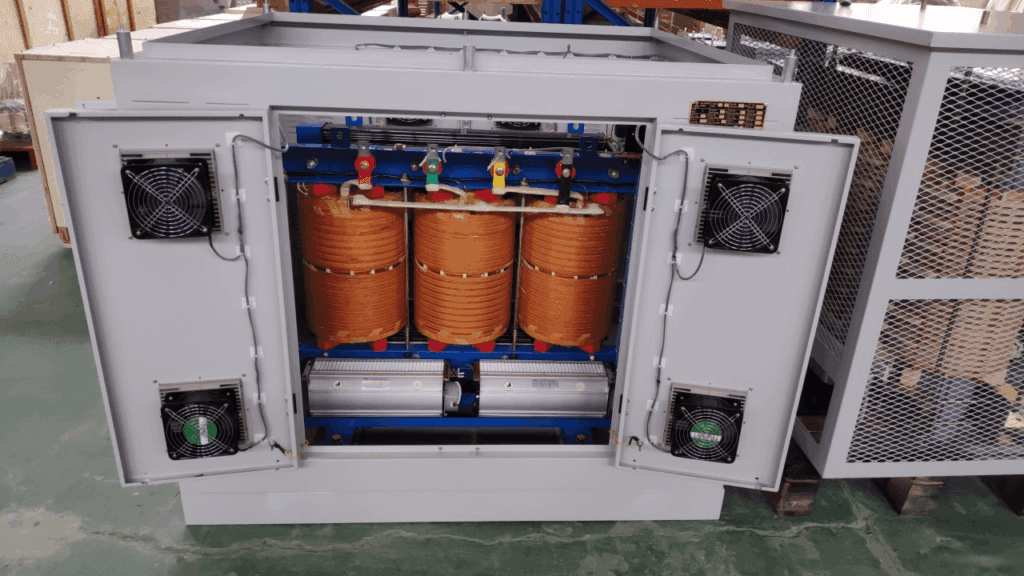
2. Dry-Type Isolation Transformers
- Use air or epoxy insulation instead of oil.
- Ideal for indoor environments or where fire safety is a concern.
- Require less maintenance than oil-filled transformers.
While isolation transformers provide full electrical separation, autotransformers share windings and are mainly used for voltage conversion. For further technical reference, you can review the IEEE Transformer Standards.
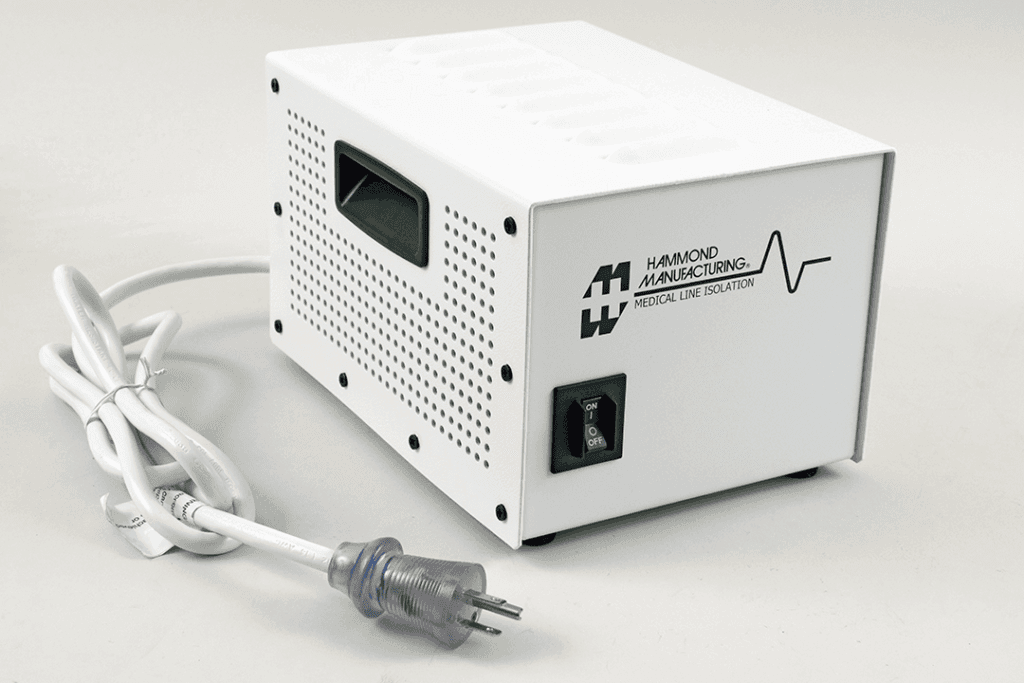
3. Medical Isolation Transformers
- Specifically designed for medical equipment.
- Provide maximum safety against electrical shocks.
- Must comply with medical safety standards like UL 60601.
4. Constant Voltage Transformers (CVT)
- Maintain stable voltage output despite input voltage fluctuations.
- Protect sensitive equipment from voltage surges.
5. Galvanic Isolation Transformers
- Eliminate ground loops and reduce electrical noise.
- Used in audio, data acquisition, and sensitive electronic equipment.
Table Example: Comparison of Isolation Transformer Types
| Type | Main Use | Advantage | Typical Environment |
|---|---|---|---|
| Standard | Industrial power | Electrical isolation | Factory floor |
| Dry-Type | Indoor use | Fire safety, low maintenance | Labs, offices |
| Medical | Hospitals | Maximum safety | Medical rooms |
| CVT | Sensitive devices | Voltage stabilization | Electronics labs |
| Galvanic | Audio & data | Noise reduction | Data centers |
4.Isolation Transformer vs Autotransformer
Many people confuse isolation transformers with autotransformers.
| Feature | Isolation Transformer | Autotransformer |
|---|---|---|
| Electrical Isolation | Yes | No |
| Cost | Higher | Lower |
| Safety | High | Medium |
| Size & Weight | Larger | Smaller |
| Typical Use | Sensitive equipment, safety-critical | Voltage step-up/down |
- Isolation transformers protect devices and people by providing electrical isolation.
- Autotransformers share winding and are primarily used for voltage conversion.
Not sure which type of isolation transformer fits your application?
👉 Check our detailed transformer types guide to compare options.
5.Advantages of Isolation Transformers
- Enhanced Electrical Safety
- Reduces risk of electric shock.
- Essential for medical and sensitive equipment.
- Voltage Surge Protection
- Protects devices from spikes and surges.
- Noise Reduction
- Eliminates electrical noise and interference, improving performance of electronics.
- Prevents Ground Loops
- Reduces hum and signal interference in audio/data systems.
- Protects Sensitive Equipment
- Essential for computers, industrial control systems, and lab instruments.
6.Disadvantages and Considerations
- Higher Cost compared to simple transformers.
- Larger Size and Weight, especially for high-capacity models.
- Not suitable for primary voltage adjustment, mainly for isolation and safety.
7.Applications of Isolation Transformers
- Medical Equipment – Prevents electrical shock in hospitals.
- Industrial Automation – Protects machines and control circuits.
- Laboratory and Sensitive Electronics – Maintains clean power for accurate measurements.
- Data Centers – Reduces electrical noise and prevents ground loops.
- UPS Systems – Ensures stable power and protection for critical loads.

8.How to Choose the Right Isolation Transformer
- Voltage and Current Rating – Ensure transformer meets load requirements.
- Application Type – Medical, industrial, or sensitive electronics.
- Noise and Surge Requirements – Use CVT or galvanic types if needed.
- Installation Environment – Dry-type for indoor, oil-filled for outdoor.
- Safety Certifications – UL, IEC, or IEEE standards.
9.FAQs
Q1: What is the main purpose of an isolation transformer?
A: To provide electrical isolation, improve safety, reduce noise, and protect sensitive devices.
Q2: Can isolation transformers protect sensitive electronics?
A: Yes, they reduce voltage spikes, noise, and prevent ground loop interference.
Q3: What are the main types of isolation transformers?
A: Standard, Dry-Type, Medical, CVT, and Galvanic Isolation.
Q4: How is an isolation transformer different from an autotransformer?
A: Isolation transformers provide electrical isolation; autotransformers only adjust voltage without isolation.
Q5: Are isolation transformers suitable for medical equipment?
A: Yes, specially designed medical isolation transformers meet safety standards.
10.Conclusion
Isolation transformers are essential for safety, power quality, and protection of sensitive devices. They are widely used in industrial, medical, and electronic applications. Selecting the correct type, rating, and certification is critical for reliable operation.
Get a custom isolation transformer solution for your business today
👉Talk to our experts now and receive a fast response within 24 hours.