1.Introduction
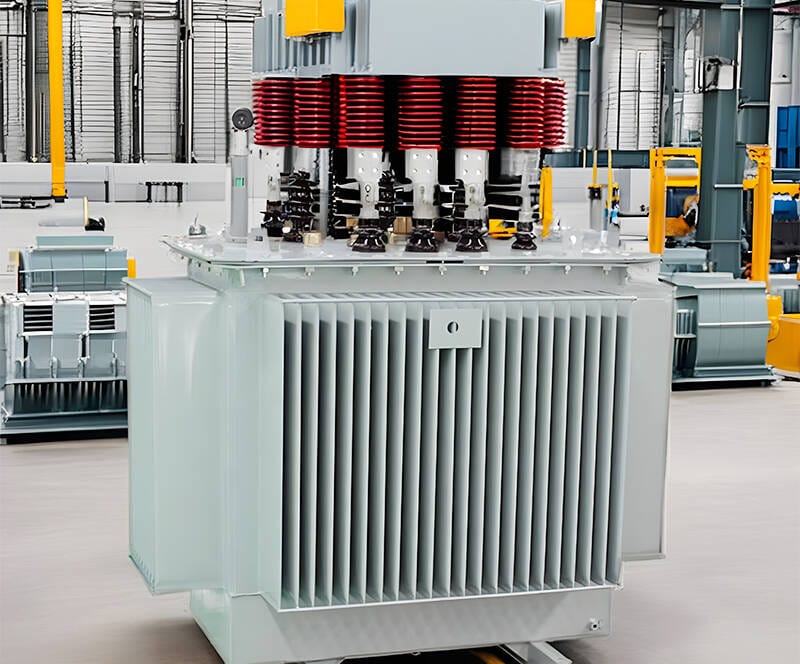
Distribution Transformer Africa solutions are becoming increasingly vital as the continent experiences rapid economic growth, urbanization, and industrialization. From mining operations in Zambia and South Africa to agricultural processing plants in Kenya and rural electrification projects across Sub-Saharan Africa, these rugged distribution transformers play a critical role in stepping down voltage for safe and efficient power delivery.
However, deploying standard distribution transformer Africa solutions often leads to frequent failures, high maintenance costs, and downtime. The continent’s power grids frequently experience low and fluctuating voltage, while extreme environmental conditions—intense dust, sandstorms, and ambient temperatures regularly exceeding 40–50°C—accelerate aging and reduce efficiency.
This comprehensive guide explores practical, engineering-driven strategies to overcome these challenges. Whether you are a project engineer, utility manager, or EPC contractor involved in African infrastructure, you will learn how to select, design, and maintain rugged distribution transformers optimized for local conditions. By addressing low grid voltage, dust, and high temperatures head-on, operators can achieve higher reliability, lower total cost of ownership, and better support for sustainable development goals.
ال World Bank highlights that Sub-Saharan Africa still faces massive electricity access challenges, making rugged Distribution Transformer Africa solutions essential.
With over two decades of experience supplying distribution transformer Africa projects, we have seen firsthand how tailored designs dramatically improve performance. This article draws on IEC standards, real-world case studies, and proven engineering practices to deliver actionable insights.
Ready to find the right Distribution Transformer Africa solution for your project?
👉Contact our team for a free technical consultation and customized quote
جدول المحتويات
- مقدمة
- Understanding the Unique Power Challenges in Africa for Distribution Transformers
- The Impact of Low Grid Voltage on Distribution Transformer Africa Performance
- Combating Dust Accumulation in Distribution Transformer Africa Installations
- Designing for High Ambient Temperatures in Distribution Transformer Africa Projects
- Integrated Technical Solutions for Rugged Distribution Transformers in Africa
- Best Practices for Selection, Installation, and Maintenance of Distribution Transformer Africa
- Case Studies: Successful Deployments of Distribution Transformers in African Harsh Environments
- الأسئلة المتداولة (الأسئلة الشائعة)
- Conclusion: Powering Reliable Growth with Distribution Transformer Africa Solutions
2.Understanding the Unique Power Challenges in Africa for Distribution Transformers
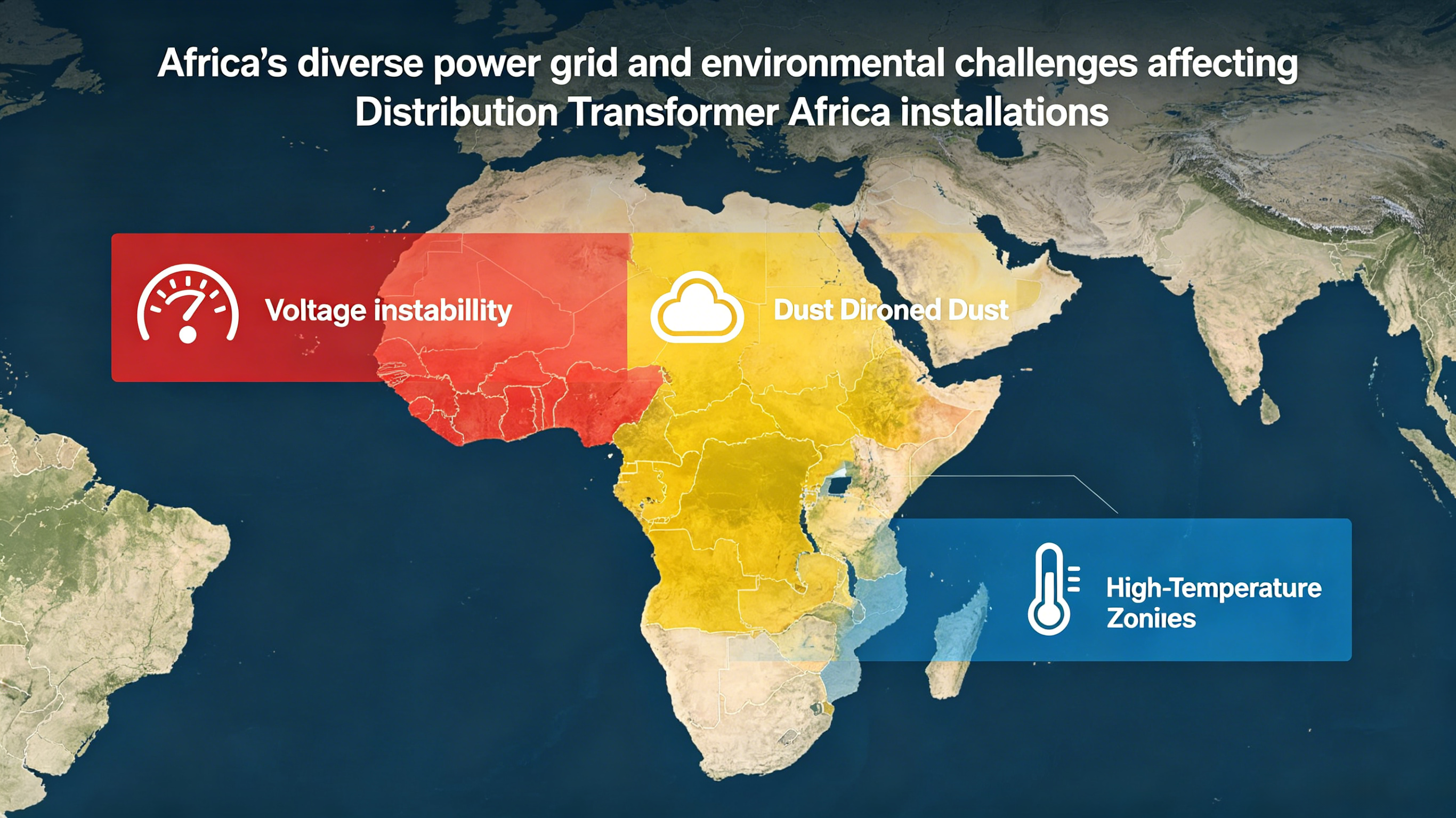
Africa’s electricity infrastructure varies widely. Many grids suffer from aging equipment, high technical losses (often 20–40% in countries like Nigeria), and rapid load growth outpacing supply. Distribution transformer Africa units must therefore handle conditions far beyond those in temperate regions.
Key environmental and operational stressors include:
- Unstable grid voltage: Frequent sags, brownouts, and surges due to generation shortfalls and long transmission lines.
- Dust and particulate matter: Especially severe in arid zones (Sahel, North Africa, mining areas) and during harmattan winds.
- High ambient temperatures: Common in desert and tropical climates, pushing thermal limits.
- Other factors: High humidity in coastal areas, altitude variations, limited maintenance access, and variable loads from renewables or heavy industry.
These challenges compound. Low voltage forces transformers to draw higher currents, generating excess heat. Dust blocks cooling fins, further elevating temperatures. The result? Premature insulation degradation, reduced lifespan (sometimes dropping from 25+ years to under 10), and unexpected failures.
All Distribution Transformer Africa designs should comply with the latest IEC 60076-1 general requirements for power transformers.
Understanding these interactions is the first step toward resilient distribution transformer Africa deployments.
3.The Impact of Low Grid Voltage on Distribution Transformer Africa Performance
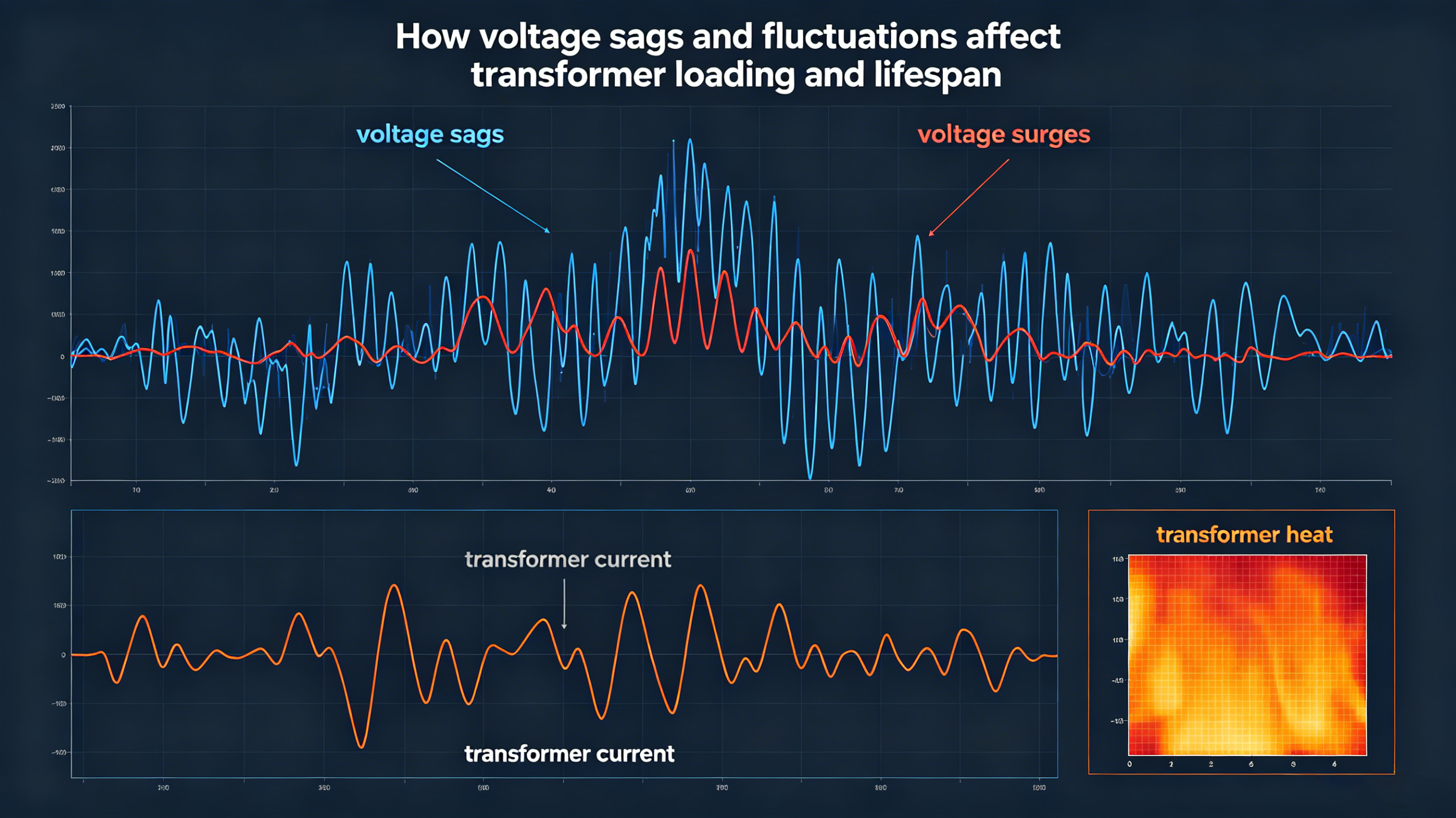
Low grid voltage is one of the most pervasive issues for distribution transformers across Africa. Voltage sags below nominal levels (e.g., frequent operation at 90% or less of rated voltage) increase current draw for the same power output, leading to higher I²R losses and overheating.
Consequences include:
- Accelerated insulation aging.
- Reduced efficiency and capacity.
- Risk of core saturation and harmonic amplification when combined with non-linear loads.
- Frequent tripping or protection activation.
In mining and industrial applications, voltage fluctuations from diesel generators or weak grids can reach ±10–20%. Standard transformers struggle here, often requiring derating or suffering from shortened service life.
Solutions start with design:
- Wide input voltage range (e.g., capable of handling 80–120% of nominal).
- On-Load Tap Changers (OLTC) for automatic voltage regulation.
- Voltage stabilization features integrated into the transformer.
These features allow distribution transformer Africa units to maintain stable secondary voltage despite primary fluctuations, protecting downstream equipment and improving overall system reliability.
4.Combating Dust Accumulation in Distribution Transformer Africa Installations
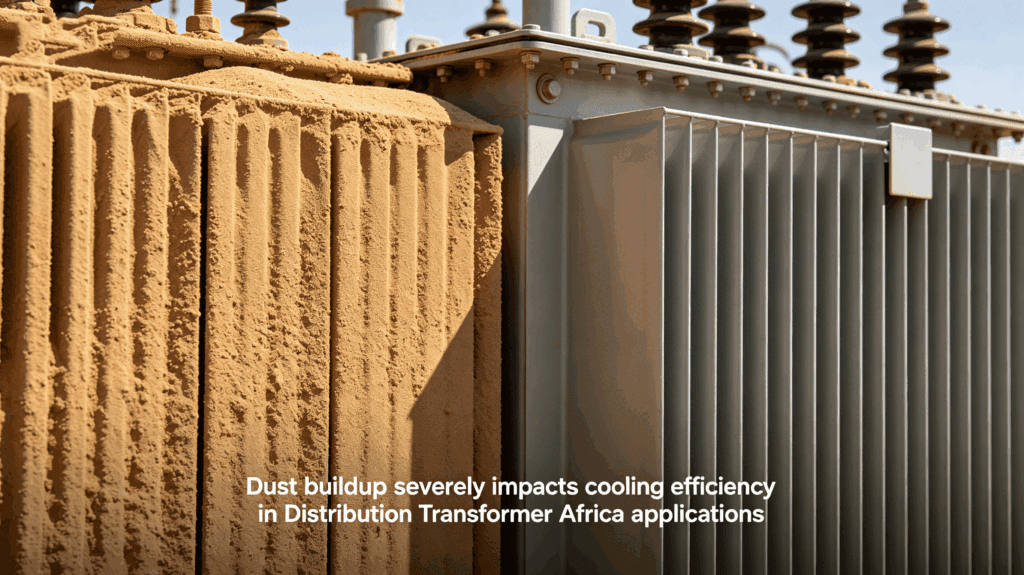
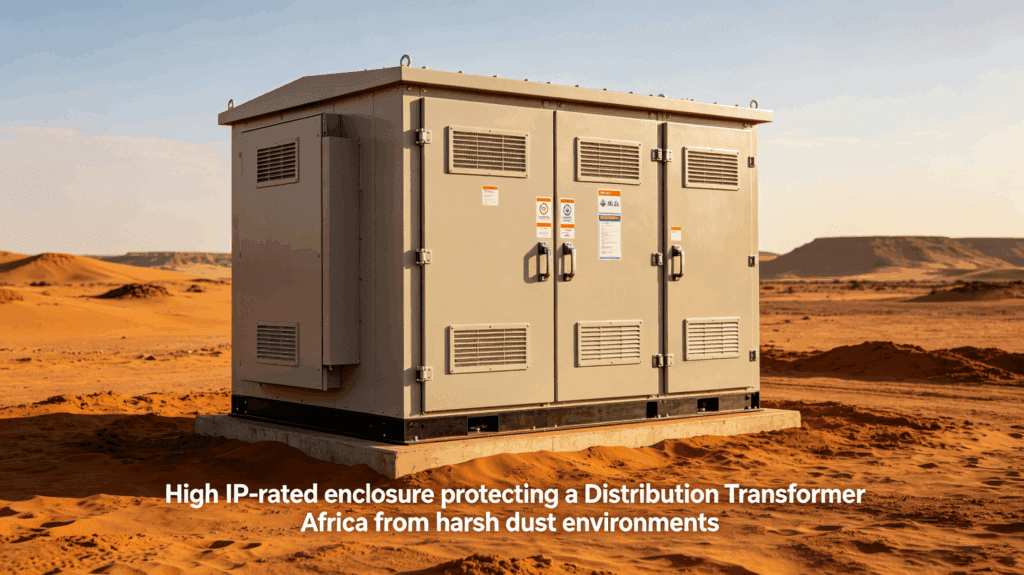
Dust is a silent killer for transformers. In arid and semi-arid regions of Africa, fine sand and particulates infiltrate enclosures, coat windings and radiators, and impair heat dissipation. This leads to hotspots, reduced cooling efficiency, and dielectric breakdowns.
Effective dust protection strategies for Harsh Environment Distribution Transformer include:
- High IP ratings (IP54, IP65, or higher) with sealed enclosures and dust filters.
- Corrugated tanks or designs with minimized horizontal surfaces to reduce dust buildup.
- Self-cleaning or easily accessible cooling systems.
- Special coatings and gaskets resistant to abrasive particles.
Dry-type transformers often excel in dusty environments due to the absence of oil and better tolerance to contamination when properly enclosed. For oil-immersed units, advanced breathers and sealed designs prevent moisture and dust ingress.
Regular maintenance protocols, such as scheduled cleaning and monitoring of insulation resistance, are essential in high-dust zones.
5.Designing for High Ambient Temperatures in Distribution Transformer Africa Projects
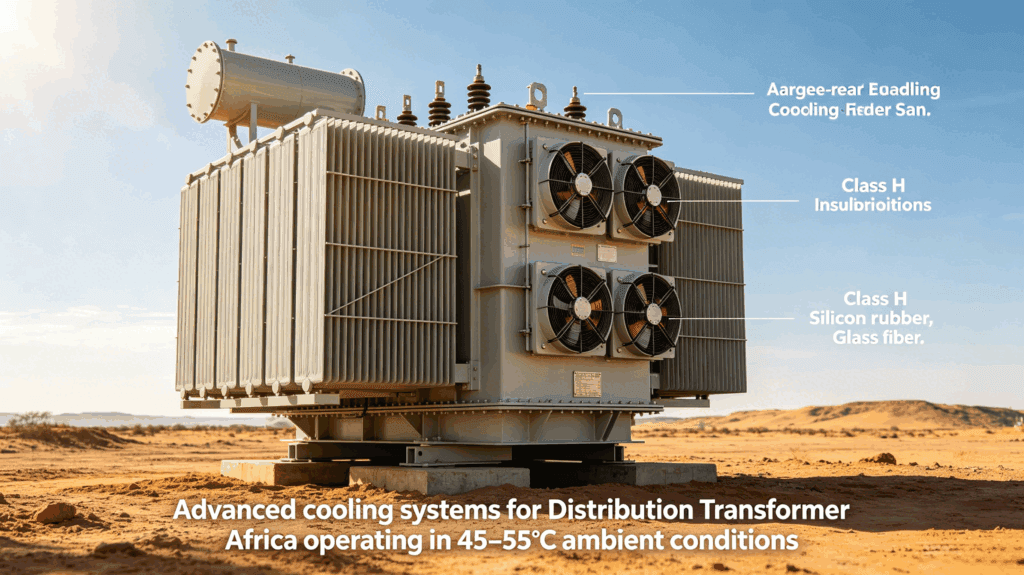
High temperatures significantly impact transformer performance. Standard designs assume 40°C maximum ambient, but many African sites regularly see 45–55°C, especially in the Sahel or inland mining areas.
Elevated ambient temperatures reduce the allowable temperature rise margin, forcing derating (operating at lower than nameplate capacity) and accelerating thermal aging of insulation.
Key design adaptations:
- Higher insulation classes (Class F or H, up to 180°C rating).
- Enhanced cooling systems: larger radiators, forced air (ONAF), or directed oil flow.
- Thermally upgraded insulation materials and high-temperature oils.
- Advanced monitoring with temperature sensors and alarms.
Studies on climate impacts show that high ambient temperatures significantly affect grid infrastructure, underscoring the need for derating and enhanced cooling in Distribution Transformer Africa التطبيقات
According to IEC 60076 standards, careful consideration of temperature rise limits (top oil and winding) is mandatory. For high-ambient designs, reduced temperature rise specifications or special testing ensure safe operation.
Proper derating guidelines and hotspot temperature calculations are critical for longevity in Harsh Environment Distribution Transformer applications.
6.Integrated Technical Solutions for Rugged Distribution Transformers in Africa
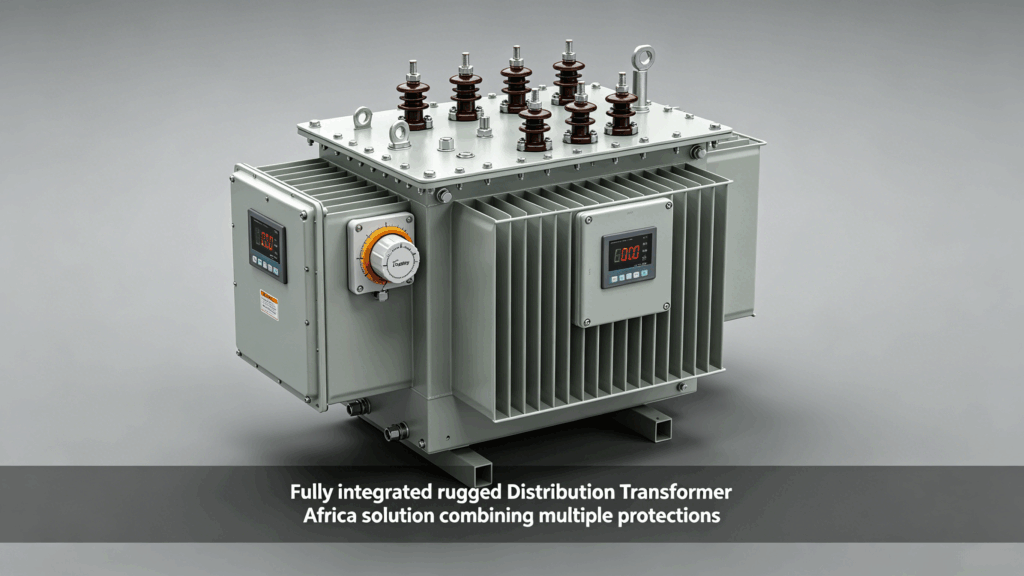
The most effective Harsh Environment Distribution Transformer solutions combine multiple protections into a single rugged unit.
| ميزة | Benefit for Low Voltage | Benefit for Dust | Benefit for High Temp | Recommended Standards |
|---|---|---|---|---|
| Wide Voltage Range + OLTC | Stabilizes output | N/A | Reduces excess heat | IEC 60076-1, IEC 60214 |
| IP65 Enclosure + Filters | N/A | Prevents ingress | Maintains cooling efficiency | IEC 60529 |
| Class H Insulation | N/A | N/A | Higher thermal margin | IEC 60076-11 (dry-type) |
| Enhanced Radiators/ONAF | N/A | Easier cleaning | Superior heat dissipation | IEC 60076-2 |
| Condition Monitoring | Detects voltage issues | Early dust detection | Tracks hotspots | IEC/IEEE compatible |
Need help selecting the optimal combination of OLTC, IP65 protection, and high-temperature features?
👉Our engineers specialize in Distribution Transformer Africa projects — reach out today.
Dry-type vs. Oil-immersed: Dry-type units (cast resin) offer superior fire safety and dust/moisture resistance for indoor or urban installations. Oil-immersed provide better cooling for high-power outdoor applications but require robust sealing.
Custom engineering—factoring in altitude, harmonics, and specific load profiles—ensures optimal performance. CE certification and full factory acceptance testing (FAT) provide additional assurance for African projects.
7.Best Practices for Selection, Installation, and Maintenance of Distribution Transformer Africa
Selection Tips:
- Specify actual site conditions (max/min temp, dust levels, voltage profile) in RFQs.
- Request derating calculations and thermal modeling.
- Prioritize manufacturers with proven African experience.
- Evaluate total lifecycle cost, not just initial price.
Installation Best Practices:
- Elevated foundations to reduce dust ingress.
- Adequate ventilation and shading where possible.
- Proper grounding and surge protection.
- Integration with SCADA or remote monitoring systems.
Maintenance Schedule (adapted for harsh conditions):
- Quarterly visual inspections and cleaning in dusty areas.
- Annual oil/DGA testing for oil-immersed units.
- Thermal imaging and insulation testing.
- Tap changer maintenance per manufacturer guidelines.
Adhering to IEC 60076 series and local regulations builds long-term trustworthiness and compliance.
8.Case Studies: Successful Deployments of Distribution Transformers in African Harsh Environments
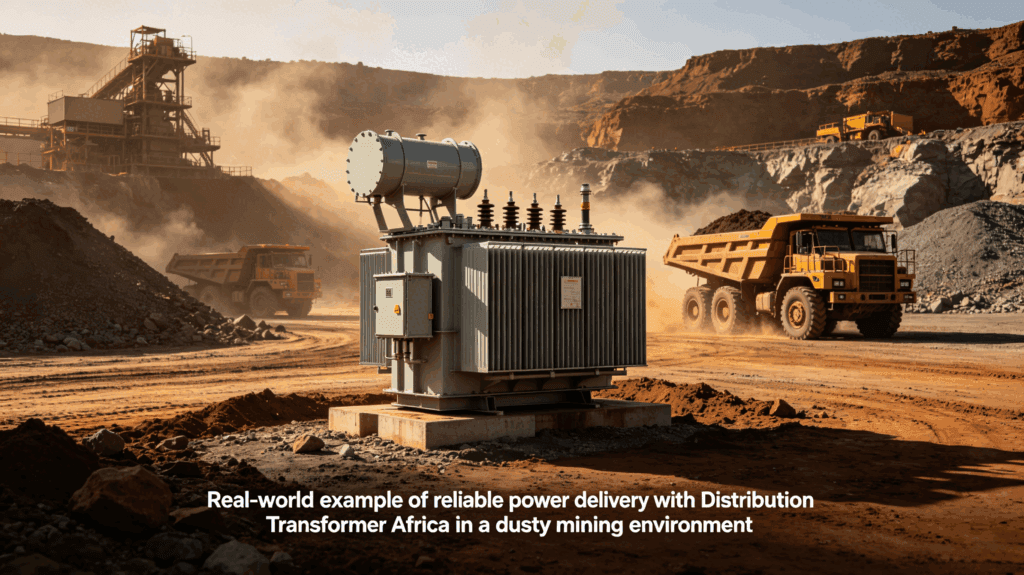
In one Zambian mining project, voltage-regulated dry-type distribution transformers handled ±10% fluctuations while resisting dust, resulting in near-zero unplanned downtime.
Another case in North Africa involved oil-immersed units with Class H insulation and IP65 enclosures operating successfully at 50°C+ ambients, extending service intervals significantly.
Underground mining applications in similar harsh conditions have benefited from compact, vibration-resistant designs that maintain reliability despite dust and heat.
These examples demonstrate that investing in purpose-built Harsh Environment Distribution Transformer solutions yields measurable ROI through reduced failures and operational continuity.
9.Frequently Asked Questions (FAQ)
What IP rating is recommended for dusty African environments?
IP65 or higher is ideal for heavy dust exposure.
How should transformers be derated for high temperatures?
Use manufacturer-provided curves based on IEC 60076-2; typical derating is 1–2% per °C above 40°C.
Dry-type or oil-immersed for Distribution Transformer Africa?
Depends on power rating, location (indoor/outdoor), and fire safety needs. Both can be engineered for harsh conditions.
What standards govern these transformers?
Primarily IEC 60076 series, with additional local requirements.
How can I monitor transformer health remotely?
Integrate temperature, voltage, and dissolved gas sensors with IoT/SCADA platforms.
10.Conclusion: Powering Reliable Growth with Distribution Transformer Africa Solutions
Successfully deploying distribution transformers in Africa requires addressing low grid voltage, dust, and high temperatures through expert design, quality materials, and diligent practices. By choosing rugged, standards-compliant solutions, stakeholders can minimize risks, lower costs, and support Africa’s energy transition.
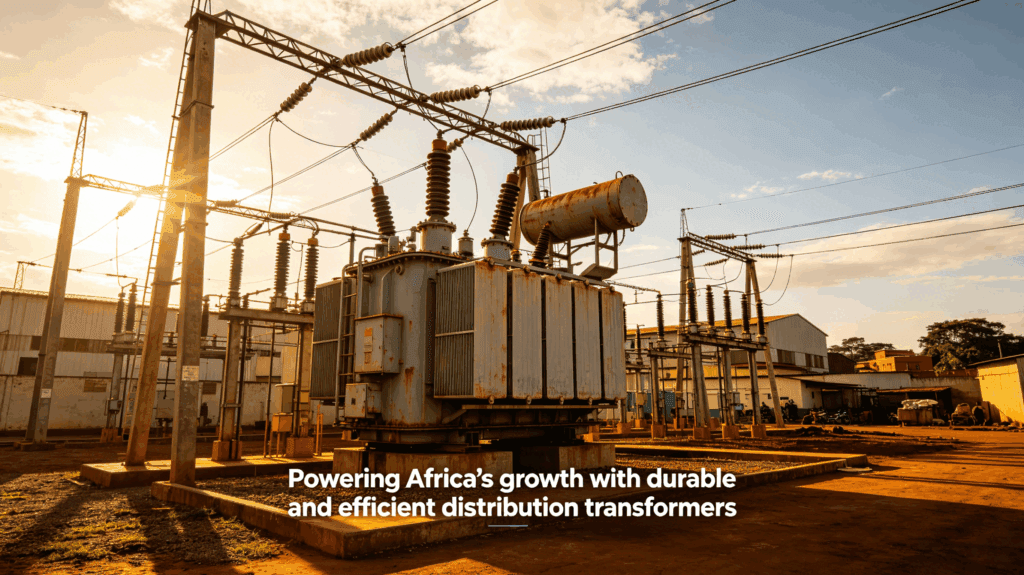
If you are planning a project involving distribution transformer Africa, our team offers custom engineering, technical consultations, and proven products tailored to your site conditions.