Introduction
A transformer explosion is one of the most dangerous types of electrical failure in power systems. It can cause sudden power outages, equipment damage, and even serious safety risks. Many users search questions like why do transformers explode, what causes a transformer to blow, and how to prevent transformer failure.
In this guide, we explain the main causes of transformer explosion, what happens during a failure, and how to prevent it. This article is designed for engineers, industrial buyers, and anyone working with power transformers, substations, or electrical systems.
Protect Your Facility Today
Table of Contents
- What Is a Transformer Explosion
- Why Do Transformers Explode
- How Does a Transformer Explosion Happen
- What Happens When a Transformer Blows
- What to Do If a Transformer Explodes
- How Long Does It Take to Fix a Transformer
- How to Prevent Transformer Explosion
- FAQs About Transformer Explosions
1.What Is a Transformer Explosion
A transformer explosion is probably the worst thing that can happen in a power system. It happens when pressure builds up inside the tank—like, too much pressure—and then it just ruptures. Sometimes it catches fire. Or just violently bursts. And when a transformer blows, you’re looking at a major power outage, equipment damage, and yeah, it can hurt people too.
So, why do transformers explode? Well, it usually starts with some kind of transformer failure. Maybe insulation failure, or an internal short circuit, or just overload over time. These little problems, if no one catches them early, they get worse. And then suddenly—boom. A blown transformer. Sometimes without any warning at all.
There’s a lot of reasons what causes a transformer to blow. Lightning strikes, sure. Excessive heat, definitely. But also dumb stuff like dust, moisture, or just old age of materials. I mean, a transformer failure doesn’t always mean it blows immediately. But if you ignore it, yeah, it will.
Actually, wait—I should clarify. A transformer explosion isn’t always from internal stuff. Sometimes it’s external. Like, a big electrical fault somewhere else, or a sudden spike. That can trigger it too. So when people ask why do transformers explode, the answer is: lots of reasons. Internal, external, or both.
To be honest, prevention is not that complicated. Regular checks. Thermal imaging. Oil testing. Look for early signs of transformer failure. Because once you hear that bang, it’s too late. Engineers and managers, they need to understand what causes a transformer to blow, so they can stop it before it happens. Otherwise, you’re just waiting for a power outage to remind you.
2.Why Do Transformers Explode
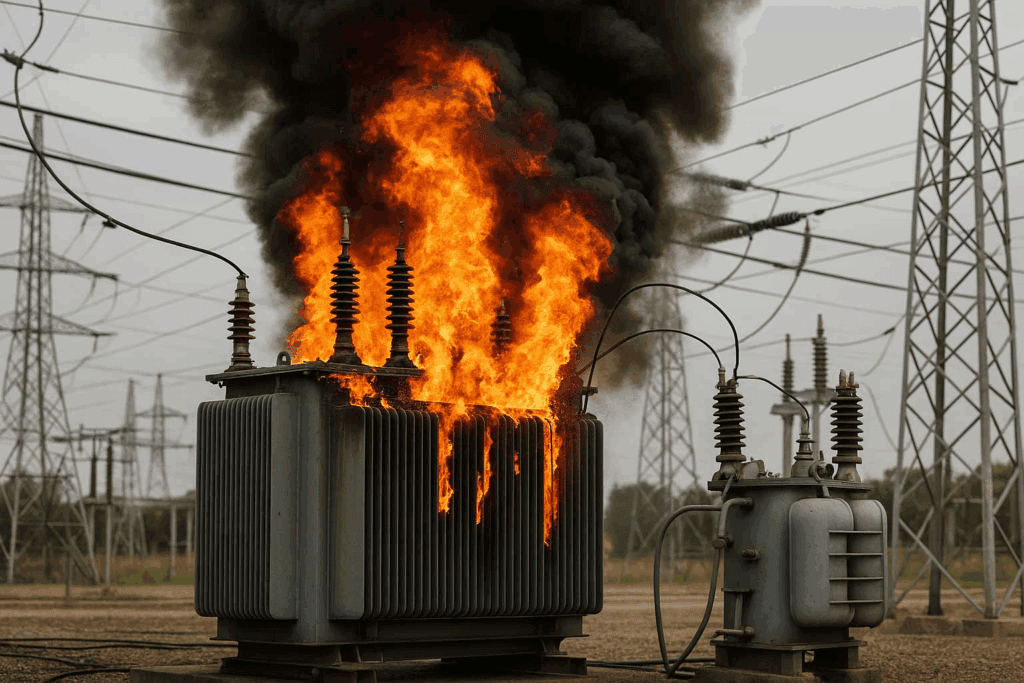
So, why do transformers explode? Understanding this is actually really important—like, if you don’t want a power outage or worse, a fire. It helps you prevent equipment damage and all that. But here’s the thing: there’s no single reason. It’s usually a mix of things. Electrical fault, heat, insulation failure, even the weather—they all push a transformer until it just can’t take it anymore. Then boom.
Electrical Faults and Short Circuits
Electrical problems? Yeah, those are probably the most common reason a transformer blows.
Some main issues:
- Short circuit inside the windings—this one’s big
- Faults out in the power grid, not even inside the transformer
- Voltage surge—lightning, for example
- Switching transients, or when load changes too fast
When a short circuit hits, the current jumps. Like, really fast. That creates extreme heat inside the windings. And heat destroys insulation. Once insulation is gone, arcing starts—sparks, gas, pressure building up. If nothing stops it, straight to a transformer explosion. I mean, it doesn’t always happen instantly, but yeah, it’s a direct path.
Overload and Overheating
Running a transformer above its rated capacity? That’s like pushing a car way past the speed limit. Eventually, something breaks. Or catches fire.
| Condition | Effect |
|---|---|
| Continuous overload | Insulation aging |
| Poor cooling | Temperature rise |
| High ambient temperature | Reduced lifespan |
Overheating can hit dangerous levels. Engineers call it thermal runaway—basically, heat builds up faster than it can escape. And that often leads to explosions. Or fire. Overheated windings damage insulation, and then everything just gets worse. It’s a cycle.
Insulation Failure (Top Cause)
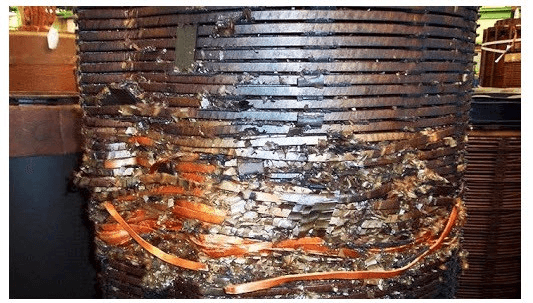
Almost every transformer explosion—I mean, almost all of them—involves insulation problems. Honestly, it’s the #1 reason transformers fail. If someone asks what causes a transformer to blow, start here.
Causes of insulation failure:
- Aging insulation. It just… loses strength over time.
- Moisture—humidity, leaks, whatever gets in
- Oil degradation, especially in oil-filled transformers
- Dust, dirt, other impurities inside the tank
Once insulation fails, arcing happens. And that generates gas and heat, like, immediately. Pressure rises so fast the tank can rupture. Then you’ve got a blown transformer. Sometimes it’s sudden, sometimes it’s slow—but it always ends bad.
Oil and Gas Pressure Build-Up
Oil-filled transformers depend on insulating oil. It cools things, protects the windings. But when something goes wrong:
- Oil decomposes under heat
- Gas forms inside the tank
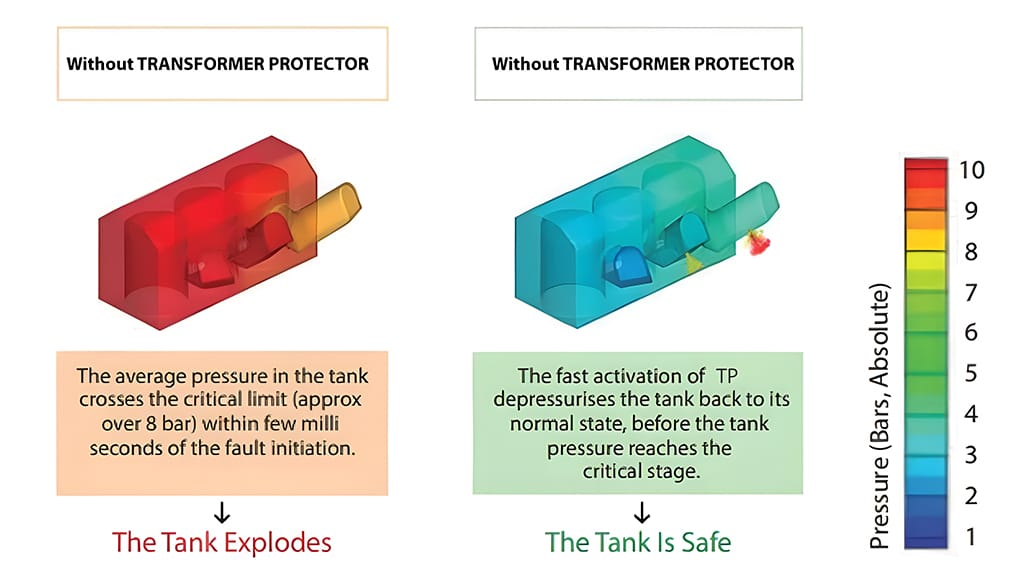
- Pressure rises—fast. Really fast.
If pressure goes past safety limits, the tank bursts. Violent explosion. That’s why maintenance matters—oil testing, monitoring temperature, all that. People skip it, then wonder why do transformers explode. Well, that’s why.
Wait—I should say: not all explosions are from oil. But most big ones? Yeah, oil and gas pressure is a huge factor.n
Environmental Factors
External conditions can push a transformer over the edge too. People forget this sometimes.
Some common factors:
- Lightning strikes or electrical surges
- Flooding, high humidity, water leaks
- Extreme heat—prolonged high temperatures
- Dust, dirt, corrosion
These things weaken insulation. They reduce cooling efficiency. They make transformers more likely to blow. Even a small hidden fault—something you didn’t catch—can turn into a serious transformer explosion if combined with harsh conditions. Like, dust plus heat plus a tiny insulation failure? Yeah, that’s a recipe for disaster.
Summary of Causes
To put it simply, a transformer explodes because:
- Something goes wrong electrically—short circuit, surge, overload
- Heat builds up too much—overheating, poor cooling, thermal runaway
- Insulation fails—aging, moisture, dust
- Oil or gas pressure rises too fast
- External factors stress the system—lightning, humidity, whatever
Most explosions? They happen when several of these combine. Not just one thing. That’s why regular inspection, maintenance, and monitoring are so important. You want to prevent a transformer explosion, you gotta catch the small stuff before it becomes big stuff. Otherwise, you’re looking at a power outage, equipment damage, maybe fire. And nobody wants that.
3.How Does a Transformer Explosion Happen
A transformer explosion doesn’t just happen out of nowhere. It’s a sequence—things going wrong one after another inside the unit. Usually, it starts with some kind of electrical fault. Could be a short circuit in the windings. Or a surge from the grid. Something abnormal. Once that fault happens, current spikes—like, really fast—and the temperature inside shoots up. Overheating sets in. And that starts to break down the insulation. Which is bad, because insulation is basically what keeps everything safe.
In oil-filled transformers—most of the big ones are oil-filled—heat and arcing can actually make the oil decompose. It turns into gas. That gas has nowhere to go, so it starts building pressure inside the tank. If the pressure gets too high—past what the tank can handle—the whole thing can rupture. And that’s when you get a violent explosion. Sometimes there’s sparks or smoke before it blows. Sometimes a small fire. But the end result is the same: a blown transformer.
So, how does a transformer explode? Step by step, it usually goes like this:
- Electrical fault happens first—short circuit, voltage surge, whatever.
- Temperature rises—fast. Overheating from all that current.
- Insulation breaks down. Could be old already, or moisture got in. That just speeds things up.
- Oil decomposes into gas—this is key for oil-filled units. Gas forms, pressure starts building.
- Gas pressure builds—faster than the transformer can release it. The tank can’t vent fast enough.
- Tank ruptures → explosion. Violent failure. Fire, smoke, sparks—the whole thing.
4.What Happens When a Transformer Blows
So, what happens when a transformer blows? Honestly, it’s not pretty. When a transformer explosion happens—or even just a blown transformer—the effects are immediate. And usually severe. You get power outage, equipment damage, and serious safety risks for anyone nearby. Engineers, facility managers, industrial operators—they all need to understand this. Both the immediate stuff and the secondary damage. Because if you don’t know what to expect, how do you plan a response?
Immediate Effects
When a transformer blows, the first things happen instantly. Like, in seconds:
- Power outage—everything connected just stops. Industrial lines, commercial buildings, houses nearby. Dark.
- Loud explosion—the tank ruptures or bursts. The noise? You can hear it from far away. Scary loud.
- Fire and smoke—sparks from arcing, plus decomposed oil, can ignite. Flames, black smoke, the whole thing.
- Equipment shutdown—machinery shuts down automatically. Voltage drop triggers protection circuits. Sometimes that’s the only thing that saves other gear.
These immediate effects? They don’t just stop operations. They create a hazardous zone around the transformer. Workers and engineers need to stay back. Way back. Until things are under control. I mean, you don’t walk up to a blown transformer that’s still smoking.
Secondary Damage
Okay, so the initial explosion happens. But it doesn’t always stop there. Secondary damage can follow:
- Damage to nearby equipment—mechanical debris flies everywhere. Electrical surges hit other transformers, switchgear, sensors. Sometimes whole panels get fried.
- Electrical surge impact—that sudden voltage spike? It travels. Can damage circuits far away. Cause cascading failures. One transformer explosion takes out three others.
- Grid instability—large power systems feel it. Fluctuations, voltage drops, even temporary blackouts in other parts of the network.
Even transformers that weren’t involved—like, ones sitting quietly a block away—can get hit by these secondary issues. That’s why early detection matters. If you catch a transformer failure early, you avoid all this.
Wait—I should clarify: secondary damage isn’t always immediate. Sometimes it shows up hours later. A relay trips. A breaker fails. Things just… start dying.
Real-World Impact
he impact of a transformer explosion goes way beyond the equipment itself. Whole facilities get affected. Communities too. Here’s a few examples:
| Impact Area | Result |
|---|---|
| Industrial plants | Production loss |
| Commercial buildings | Business interruption |
| Utilities | Grid failure |
These real-world consequences? They’re why regular maintenance exists. Monitoring. Protective systems. A blown transformer can cost thousands—or millions—in repairs, lost production, safety measures. If you skip prevention, you pay for it later. Way more.
Prevent Power Outages – Schedule a Transformer
👉 Inspection Now → [Book Inspection]
5.What to Do If a Transformer Explodes
If a transformer explosion occurs, immediate action is critical to ensure safety and minimize further damage. Whether you are on-site at an industrial facility, a commercial building, or near a utility substation, knowing the correct steps to take can save lives and prevent secondary accidents.
Immediate Actions
- The first priority after a transformer explodes is to protect yourself and others. Follow these steps:
- Stay at least 10 meters away – The explosion can send debris flying, and nearby equipment may also fail. Maintaining a safe distance reduces risk of injury.
- Avoid touching any wires or equipment – Live electrical parts may remain energized even after the transformer has blown. Contact with these components can cause electrocution.
- Do not approach the site – Smoke, fire, and toxic gases may be present. Only trained professionals should enter until the area is secured.
Emergency Response
- After securing your safety, notify the proper authorities:
- Call the local power utility or emergency services – Reporting quickly allows professionals to cut off power and prevent further explosions or fires.
- Report any fire immediately – Transformer explosions often result in fires due to oil combustion. Prompt reporting can reduce property damage.
- Wait for trained personnel – Do not attempt to extinguish the fire or handle the equipment yourself unless you are trained. Utility workers or fire services have the proper tools and protective equipment.
Safety Tips
- To further reduce risk while waiting for help:
- Avoid metal objects – Metal can conduct electricity and increase risk if you are near live wires.
- Keep distance from water – Water can conduct electricity from the transformer or surrounding equipment. Do not step into puddles or attempt to use water to fight oil fires.
- Follow official instructions – Listen to utility staff, fire services, or emergency responders and follow all guidance for evacuation or safe zones.
6.How Long Does It Take to Fix a Transformer
The time required to repair or replace a transformer after a blown transformer event or transformer explosion depends on several factors. Transformer repair is not always straightforward, and delays can cause extended power outages and operational disruptions. Understanding the expected repair timelines and influencing factors can help industrial facilities, commercial buildings, and utility operators plan more effectively.
Different types and sizes of transformers require different repair or replacement times. The following table summarizes typical repair durations:
| Transformer Type | Repair Time |
|---|---|
| Small transformer | Few hours – 1 day |
| Medium transformer | 1–3 days |
| Large power transformer | Several weeks |
Smaller transformers are usually easier to repair or replace because they are more accessible, lighter, and require less complex testing. Medium transformers may need partial disassembly, winding checks, and oil testing, extending repair time. Large power transformers often require specialized equipment, heavy lifting, and extensive electrical testing, which can significantly increase downtime.
Key Factors:
- Damage severity
Minor insulation failure or small internal fault can be repaired quickly, while severe explosions that damage the tank, windings, or cooling systems require extensive reconstruction or full replacement.
- Spare parts availability
Transformers may need custom windings, bushings, or insulating materials. If parts are not readily available, repair can be delayed by days or even weeks.
- Site conditions
Access to the transformer site, space limitations, and safety precautions can impact repair speed. Outdoor or high-voltage installations require additional precautions.
- Testing requirements
After repair, transformers must undergo insulation resistance testing, oil quality tests, and functional load tests to ensure reliability. This quality assurance is essential but adds to the overall repair time.
7.How to Prevent Transformer Explosion
Prevention is always better than repair.
Install Protection Systems
- Surge arresters
- Relay protection
- Overcurrent protection
👉 Learn more from IEEE standards for transformer protection.
Regular Maintenance
- Routine inspection
- Oil testing (DGA)
- Thermal monitoring
👉 Refer to IEC guidelines for maintenance standards.
Load Management
- Avoid overload
- Balance electrical load
- Monitor real-time usage
Use High-Quality Transformers
Low-quality equipment increases failure risk.
👉Looking for reliable and high-performance transformers?
Contact us today to get a quote for industrial and power transformers designed for safety and long service life.
8.FAQs About Transformer Explosions
What causes a transformer to explode?
The most common causes of a transformer explosion include insulation failure, short circuits, overload, and oil pressure buildup. Other contributing factors may include environmental conditions such as high humidity, lightning strikes, dust, and corrosion. Often, multiple factors combine to trigger a blown transformer event.
Can transformer explosions be prevented?
Yes, transformer explosions can be significantly reduced with proper measures. Regular maintenance, thermal monitoring, insulation testing, protective relays, and high-quality transformer equipment all help minimize the risk. Early detection of issues like overheating, insulation degradation, or electrical faults is crucial for preventing transformer failure from escalating into an explosion.
How dangerous is a transformer explosion?
A transformer explosion is very dangerous. It can cause fire, smoke, loud noise, equipment damage, and serious injury to anyone nearby. Additionally, it can lead to large-scale power outages, equipment shutdowns, and grid instability, particularly in industrial and commercial settings.
What is the difference between transformer failure and explosion?
Transformer failure refers to any condition where the transformer stops functioning correctly, such as overheating, insulation breakdown, or minor electrical faults. A transformer explosion, however, occurs when internal pressure builds rapidly due to faults like arcing, oil decomposition, or overload, causing the tank to rupture violently. Not every failure leads to an explosion, but most explosions are preceded by transformer failure.
How often should transformers be inspected?
Regular inspection is highly recommended to ensure safety and reliability. For most industrial and commercial transformers, inspections should occur every 6–12 months, depending on usage and environmental conditions. Key inspections include insulation resistance testing, thermal imaging, oil quality analysis, and visual inspection. Frequent maintenance can reduce the likelihood of transformer explosions and extend the transformer’s service life.
Ensure Your Transformers Are Safe and Reliable. Contact Our Experts for a Consultation