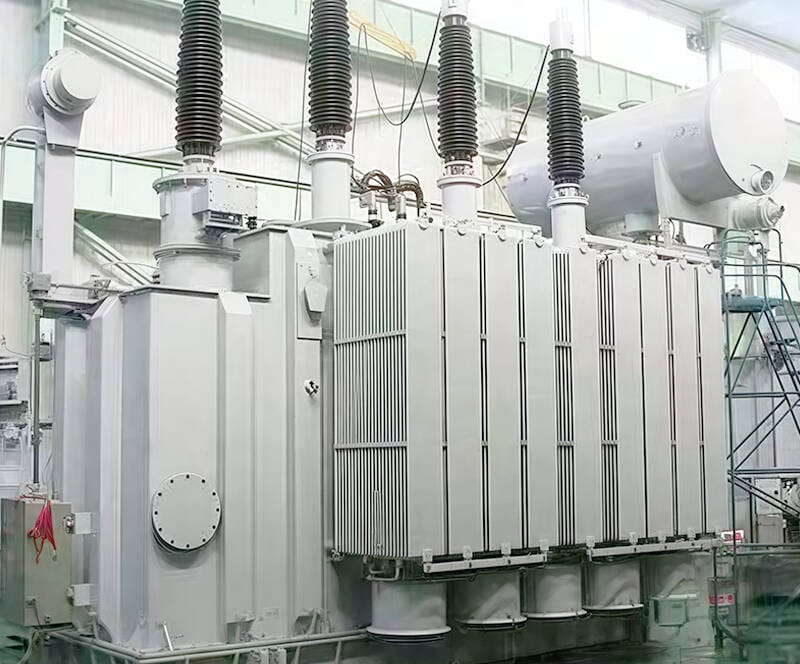
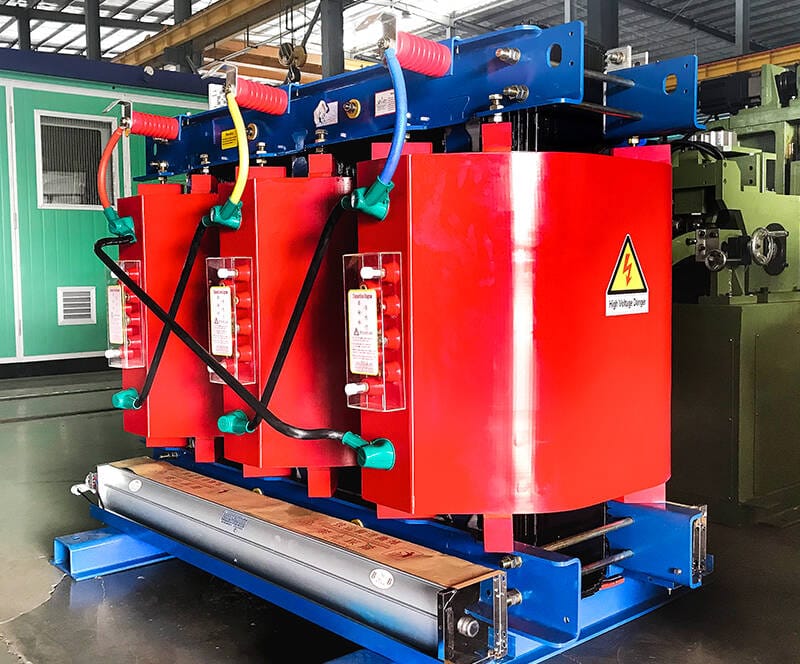
Most buyers choose a transformer based on price—but very few calculate the real cost of failure. In industrial applications, cheap transformer failure is not uncommon. In fact, many low-cost transformers begin to show serious problems such as overheating, insulation breakdown, and abnormal noise within just 12–24 months of operation.
At first glance, saving 20–30% on equipment seems like a smart decision. But what happens when that transformer fails unexpectedly? Production stops. Maintenance costs rise. And in some cases, entire projects are delayed.
In this article, we will walk through a real industrial case study where a low-cost transformer failed in less than 2 years. More importantly, we will break down the root causes of transformer failure, compare cheap vs high-quality transformers, and show you how to avoid making the same costly mistake.
👉 If you are evaluating suppliers or planning a power distribution project, this guide will help you make a smarter, long-term decision.
İçindekiler
- Introduction – The Hidden Risk Behind Cheap Transformer Failure
- Real Case Study: Cheap Transformer Failure in 18 Months
- What Went Wrong: Early Signs of Transformer Failure
- 5 Root Causes of Cheap Transformer Failure
- Cheap vs High-Quality Transformer (Comparison Table)
- The Real Cost of Cheap Transformer Failure
- How Long Should a Transformer Last?
- How to Avoid Cheap Transformer Failure
- How to Choose a Reliable Transformer Supplier
- Conclusion – Stop Paying Twice for Cheap Equipment
1.Introduction – The Hidden Risk Behind Cheap Transformer Failure
In today’s highly competitive industrial market, reducing upfront costs is often a top priority for buyers. As a result, many procurement teams choose the lowest-priced equipment without fully considering the long-term impact. However, when it comes to critical power infrastructure, this decision can quickly turn into a costly mistake.
Cheap transformer failure is not just a technical problem—it is a serious business risk. While low-cost transformers may seem like a smart short-term saving, they often lead to early failure, overheating issues, insulation breakdown, and significantly reduced lifespan. In many cases, these problems begin to appear within just 12–24 months of operation.
The real question is not how much you save at the beginning—but how much it will cost when the transformer fails.
Procurement teams and project engineers frequently ask:
- Why do transformers fail so early?
- What is the expected transformer lifespan?
- Is choosing a cheap transformer really worth the risk?
In this article, we present a real industrial case study of transformer failure within two years, along with expert analysis of the root causes. You will also learn how to compare low-cost and high-quality transformers—and how to avoid expensive failures in your next project.e questions through a real industrial case study, combined with engineering insights and practical recommendations.
2.Real Case Study: Cheap Transformer Failure in 18 Months
Project Background
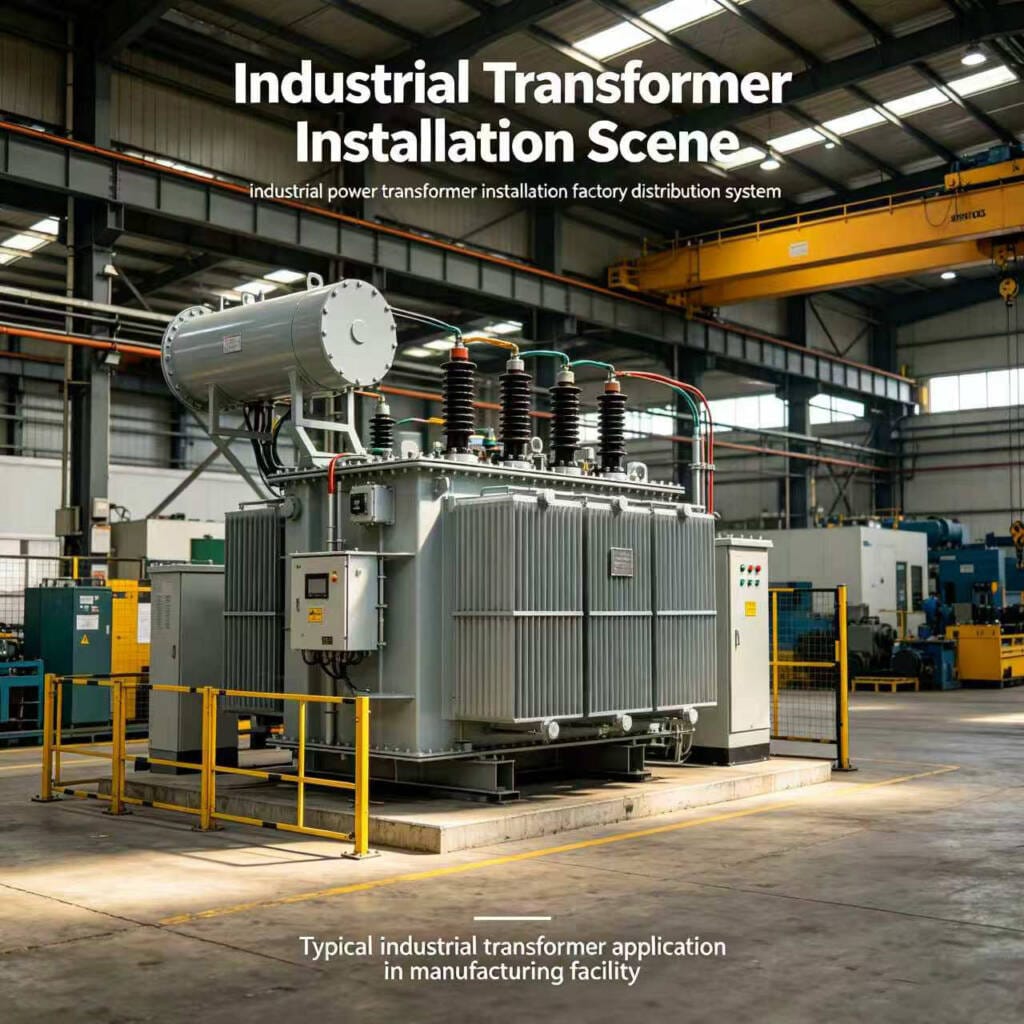
A manufacturing facility in Southeast Asia installed a 1000kVA oil immersed transformer (11kV/0.4kV) as part of its production expansion.
Key requirements included:
- Continuous operation (24/7)
- Stable voltage supply
- Low maintenance
To reduce initial investment, the contractor selected a low-cost transformer supplier offering prices 25% below market average.
Failure Timeline
- Month 0–6: Normal operation
- Month 6–12: Rising temperature and noise
- Month 12–15: Frequent overheating alarms
- Month 18: Complete transformer failure
What Happened
The transformer experienced:
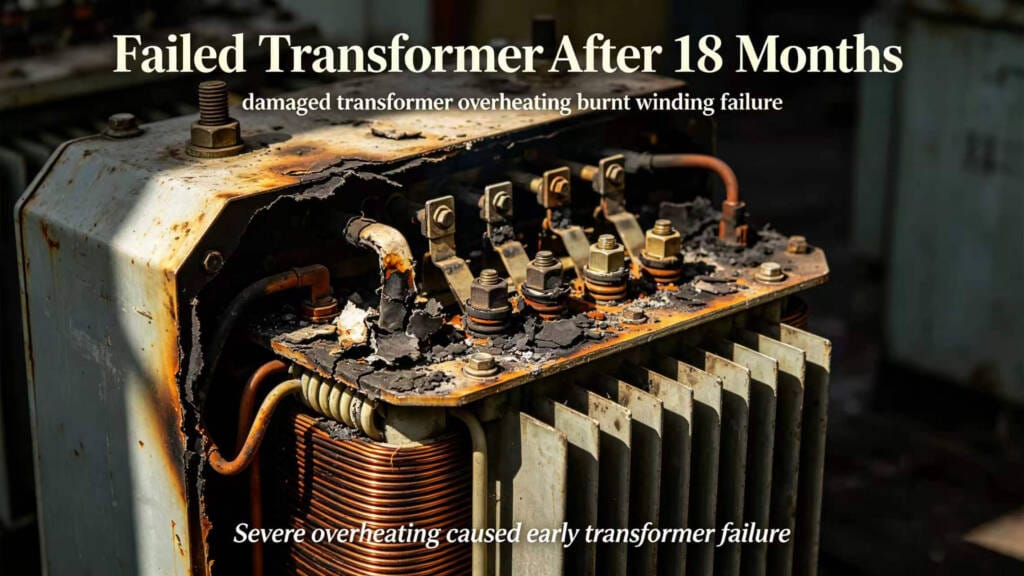
- Severe overheating issues
- Rapid insulation degradation
- Abnormal vibration and noise
- Oil discoloration and leakage
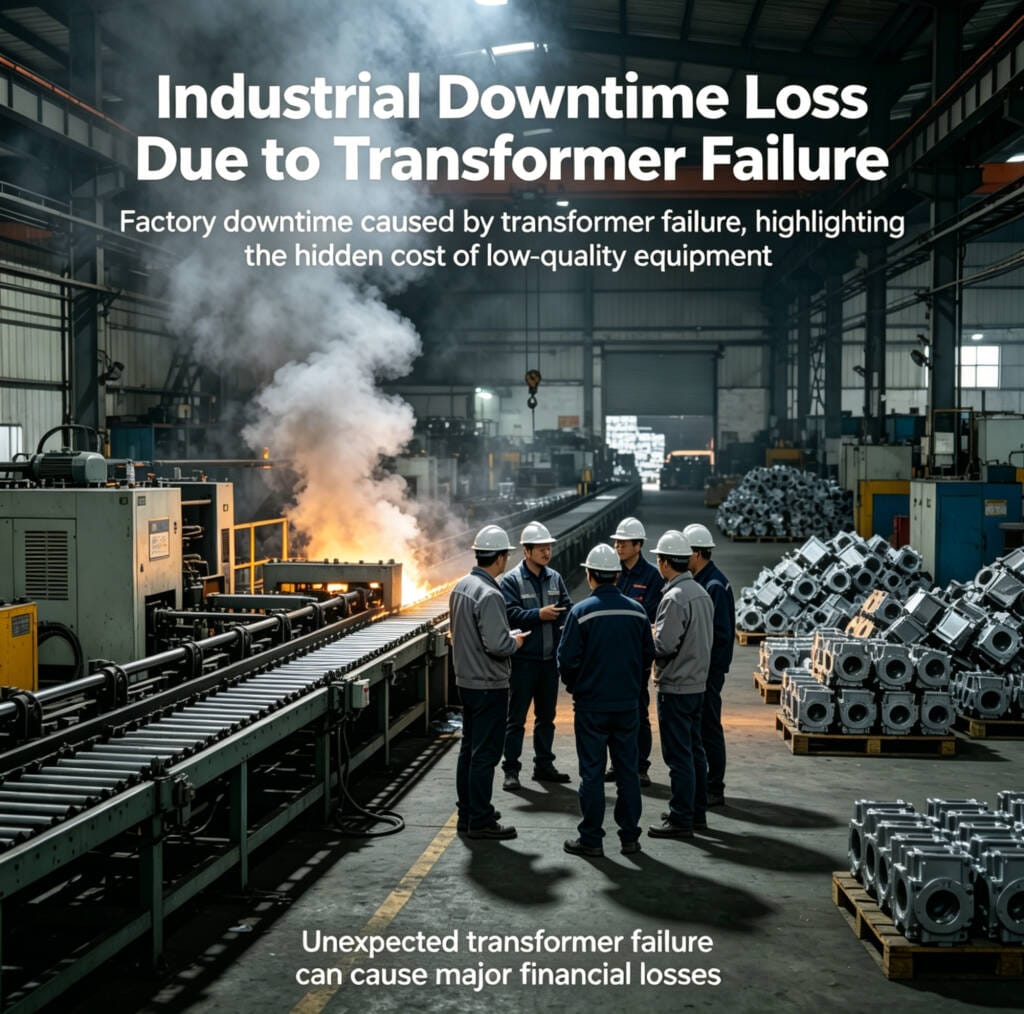
Eventually, the unit shut down unexpectedly, causing a production halt of 36 hours.
👉Compare this failure case with our high-quality industrial transformers built with copper windings and strict testing standards.
3.What Went Wrong: Early Signs of Transformer Failure
Before a complete breakdown occurs, transformers usually exhibit several early warning signals. These indicators are commonly observed in cases of cheap transformer failure, and they often reflect underlying issues such as poor material quality, inadequate design, or insufficient insulation performance.
Typical early signs include:
- Rising operating temperature beyond normal range
- Gradual reduction in energy efficiency and output stability
- Abnormal humming or vibration noise during operation
- Oil leakage or contamination (in oil immersed transformers)
- Decline in insulation resistance levels over time
Individually, these symptoms may appear minor. However, in practice, they are early indicators of internal degradation within the transformer core, winding system, or insulation structure.
Unfortunately, in many industrial projects, these warning signs are often overlooked or underestimated—until the transformer eventually fails, leading to unexpected downtime, emergency repair costs, and production losses.
Recognizing these early signals is critical for preventing costly failures and extending the operational life of the equipment.
4.5 Root Causes of Cheap Transformer Failure
Anlamak root causes of transformer failure is critical for avoiding costly mistakes.
1. Low-Quality Core Materials
The core is the heart of a transformer. Cheap transformers often use low-grade silicon steel, which results in:
- Higher energy losses
- Excess heat generation
- Azalan verimlilik
This directly contributes to transformer overheating problems.
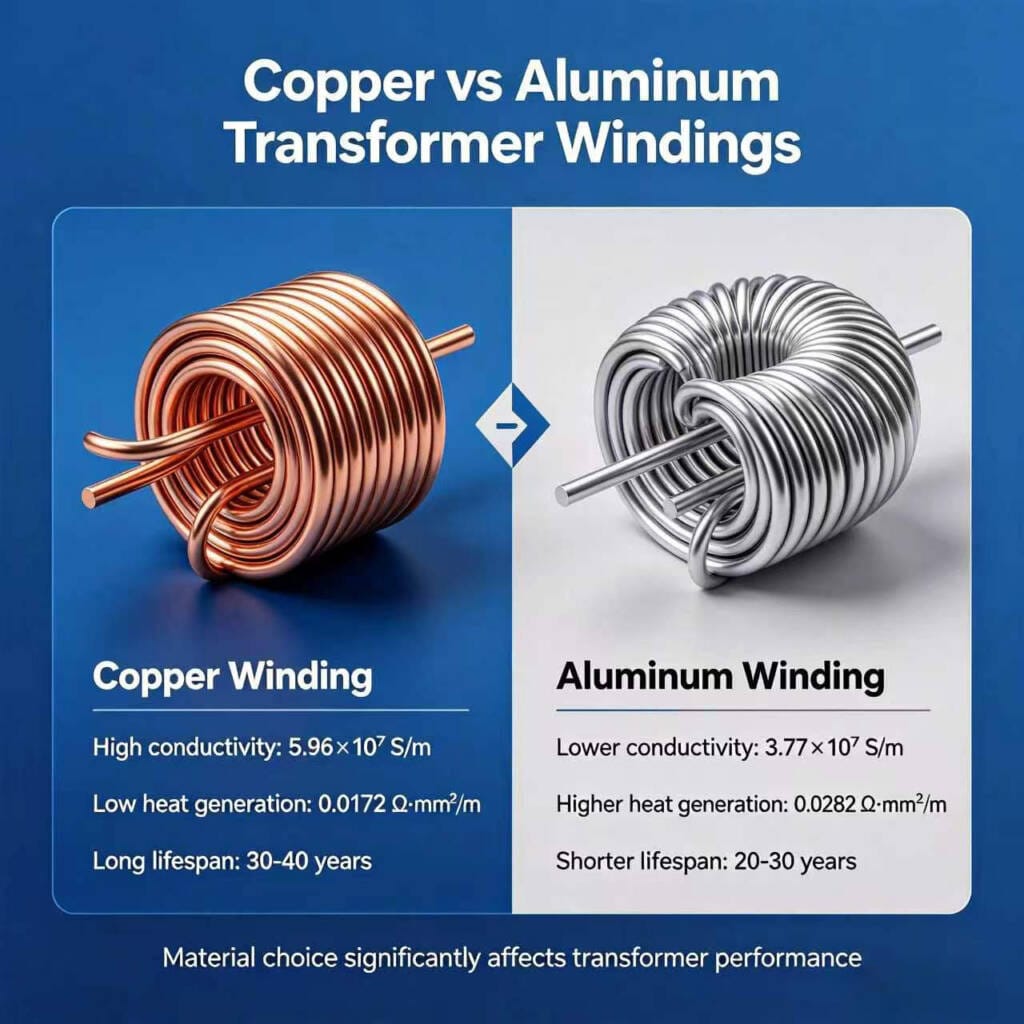
2. Aluminum Windings Instead of Copper
To reduce cost, many manufacturers replace copper with aluminum.
Problems with aluminum windings:
- Higher electrical resistance
- Increased heat generation
- Shorter lifespan
This is a major factor in poor quality transformer failure.
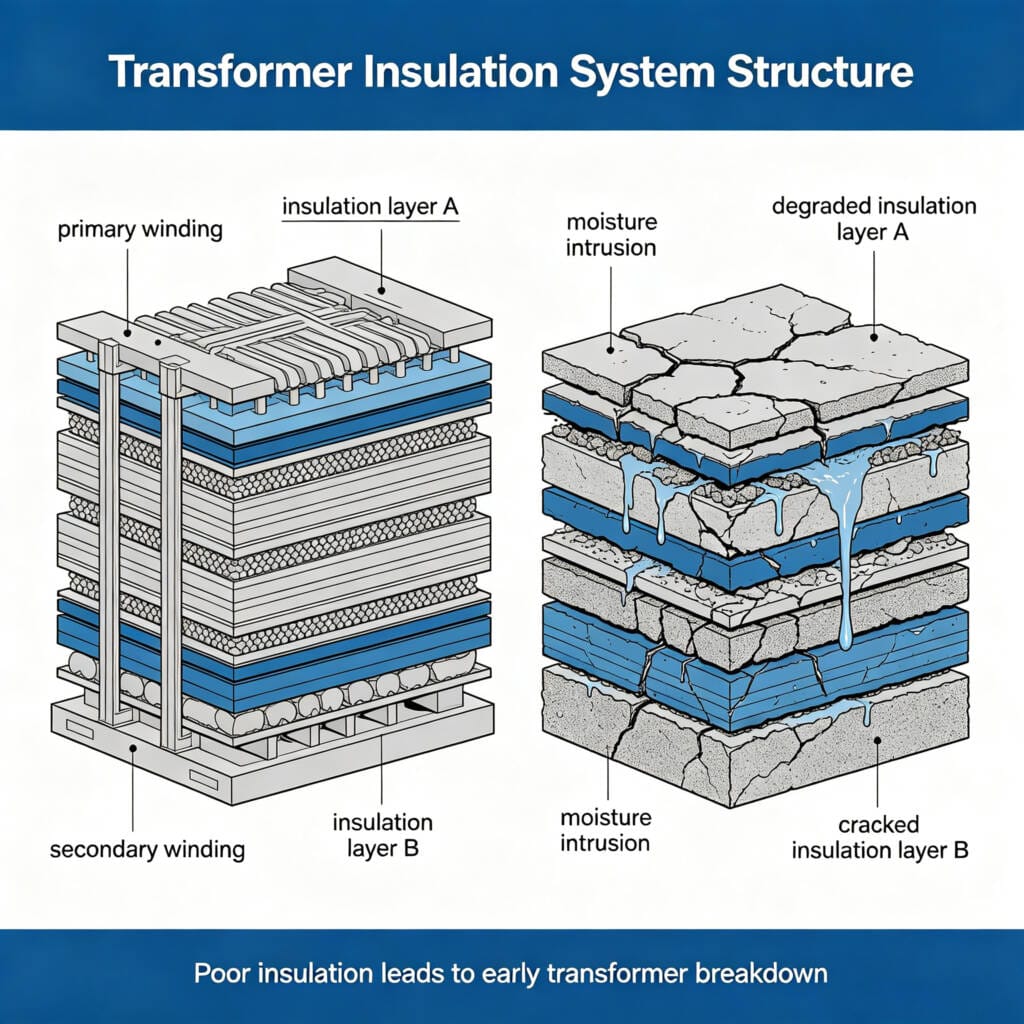
3. Poor Insulation System
Insulation determines the transformer lifespan.
Cheap units often use:
- Low-grade insulation paper
- Inadequate resin or oil quality
This leads to:
- Early insulation breakdown
- Increased failure rate
4. Inadequate Cooling Design
Cooling systems are essential for maintaining safe operating temperatures.
Cheap transformers often lack:
- Proper oil circulation
- Effective cooling fins
- Adequate ventilation
Sonuç:
➡️ Continuous overheating
➡️ Accelerated aging
5. Lack of Standard Compliance
Reliable transformers comply with:
- IEC standards
- IEEE standards
Cheap products often:
- Skip testing procedures
- Lack certification
- Fail to meet safety requirements
This significantly increases the transformer failure rate.
Cheap transformers often fail to comply with internationally recognized IEC trafo standartları, which increases the risk of early failure and safety issues.
Looking for safer and maintenance-free options?
👉Discover the benefits of our dry type transformer solutions.
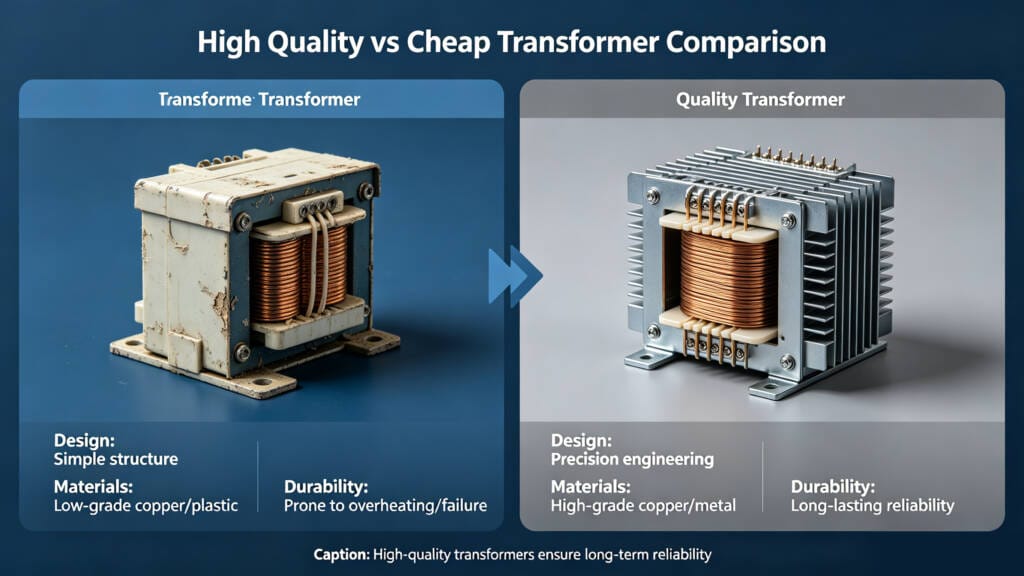
5.Cheap vs High-Quality Transformer (Comparison Table)
| Özellik | Cheap Transformer | High-Quality Transformer |
|---|---|---|
| Core Material | Low-grade steel | High-grade silicon steel |
| sarma | Aluminum | Copper |
| Insulation | Basic | High thermal class |
| Cooling System | Minimal | Optimized design |
| Ömür | 2–5 years | 20–30 years |
| Failure Rate | Yüksek | Düşük |
| Energy Efficiency | Düşük | Yüksek |
| Maintenance Cost | Yüksek | Düşük |
6.The Real Cost of Cheap Transformer Failure
Many buyers focus only on purchase price, ignoring the total cost of ownership.
Hidden Costs Include:
- Downtime losses
- Emergency repair costs
- Replacement expenses
- Production delays
- Safety risks
In the case study:
- Initial savings: ~USD 8,000
- Failure cost: ~USD 50,000+
👉 Conclusion:
Cheap transformer = expensive mistake
7.How Long Should a Transformer Last?
A high-quality transformer should operate reliably for:
- Oil immersed transformer: 20–30 years
- Dry type transformer: 15–25 years
If failure occurs within 2–3 years, it is a clear sign of:
- Poor manufacturing quality
- Substandard materials
- Design flaws
8.How to Avoid Cheap Transformer Failure
Reducing the risk of cheap transformer failure requires a structured evaluation approach that goes beyond initial purchase price. In most industrial cases, failures are not random—they are the result of material selection, manufacturing quality, certification gaps, and poor supplier evaluation.
To ensure long-term reliability and stable operation, consider the following key factors:
1. Evaluate Material Quality
The internal materials of a transformer directly determine its efficiency, thermal performance, and service life.
- Prefer copper windings instead of aluminum to ensure lower resistance and reduced heat generation
- Ensure the use of high-grade silicon steel cores to minimize energy losses and improve efficiency
Poor material selection is one of the most common root causes of early transformer degradation.
2. Check Certification and Compliance
Reliable transformers must comply with international safety and performance standards.
- Verify IEC and IEEE compliance
- Request complete factory test reports and type test documentation
- Ensure the product has passed routine quality inspections before shipment
Certification is not just documentation—it is a reflection of manufacturing discipline and product reliability.
3. Review Supplier Experience and Track Record
A supplier’s engineering capability and project experience play a critical role in product reliability.
- Check previous export project references
- Evaluate experience in industrial power distribution applications
- Prefer manufacturers with proven experience in similar voltage and capacity levels
Experienced suppliers are far less likely to deliver products that result in premature failure.
4. Analyze Total Cost of Ownership (TCO)
One of the most common mistakes in procurement is focusing only on initial purchase price.
Instead, evaluate the full lifecycle cost:
- Maintenance frequency
- Energy efficiency losses
- Downtime risks
- Replacement cycles
In many cases, a low-cost transformer becomes significantly more expensive over its operational life due to repeated failures and maintenance requirements.
9.How to Choose a Reliable Transformer Supplier
Selecting the right supplier is critical.
Key Factors:
1. Engineering Expertise
Experienced manufacturers understand industrial transformer reliability.
2. Customization Capability
Projects often require tailored solutions.
3. Testing & Quality Control
Look for:
- Routine tests
- Type tests
- Inspection reports
4. Global Export Experience
A qualified supplier should:
- Understand international standards
- Provide complete documentation
10.Conclusion – Stop Paying Twice for Cheap Equipment
Cheap transformer failure is not accidental—it is predictable.
Low-cost transformers often compromise on:
- Materials
- Tasarım
- Quality control
The result is:
- Early failure
- High maintenance cost
- Operational risk
Instead of choosing the lowest price, choose long-term reliability.
👉 A high-quality transformer is not an expense—it is an investment.
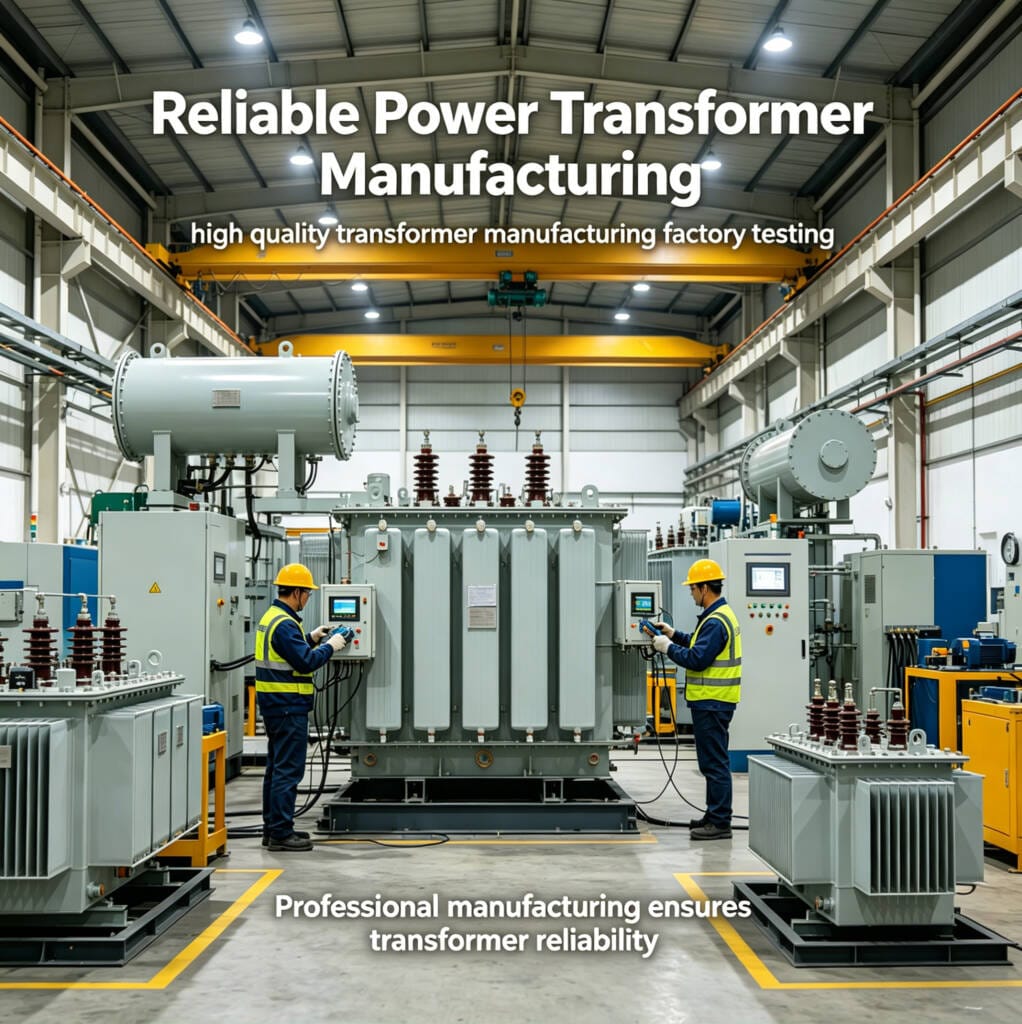
If you are looking for reliable oil immersed transformers, dry type transformers, or customized substations, choosing an experienced manufacturer can help you avoid costly failures.
👉Contact us today to get a professional solution and quotation.