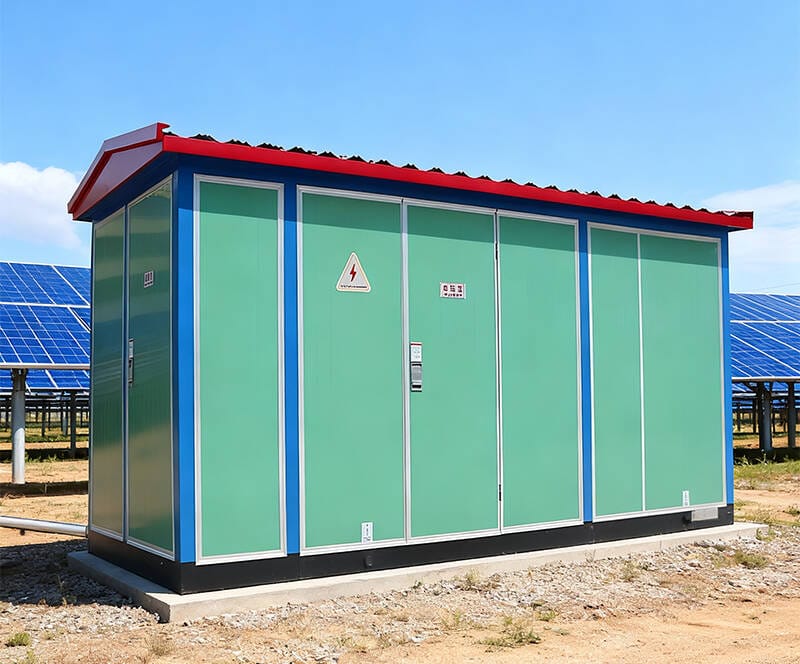
In today’s increasingly complex power systems, ensuring transformer reliability is more critical than ever. Traditional monitoring methods are no longer sufficient to meet the demands of modern grids. AI transformer monitoring is transforming the way operators manage assets by enabling real-time data analysis, predictive maintenance, and intelligent fault detection. By leveraging artificial intelligence, utilities and industrial users can significantly reduce downtime, improve efficiency, and extend transformer lifespan.
Table of Contents (TOC)
- What Is Transformer Monitoring and Why It Matters
- Limitations of Traditional Transformer Monitoring
- What Is AI Transformer Monitoring
- Key Technologies Behind AI Transformer Monitoring
- How AI Improves Transformer Monitoring
- Comparison: Traditional vs AI Transformer Monitoring
- Applications of AI Transformer Monitoring
- Benefits of AI Transformer Monitoring Systems
- How to Choose the Right AI Transformer Monitoring Solution
- Future Trends in AI Transformer Monitoring
- Çözüm
1.What Is Transformer Monitoring and Why It Matters
Transformer monitoring refers to the continuous or periodic assessment of a transformer’s operating condition to ensure safe, efficient, and reliable performance. In modern power systems, transformers are critical assets that directly affect power quality, system stability, and operational continuity.
A typical transformer monitoring system tracks key parameters such as:
- Oil temperature
- Winding temperature
- Load current and voltage
- Dissolved gas levels (DGA)
- Partial discharge activity
Effective transformer condition monitoring helps operators detect early signs of faults, prevent unexpected failures, and extend equipment lifespan. For industries, utilities, and renewable energy projects, reliable monitoring is essential to avoid costly downtime and ensure stable power supply.
Transformer monitoring practices are often designed in accordance with international transformer standards to ensure safety, reliability, and performance consistency across power systems.
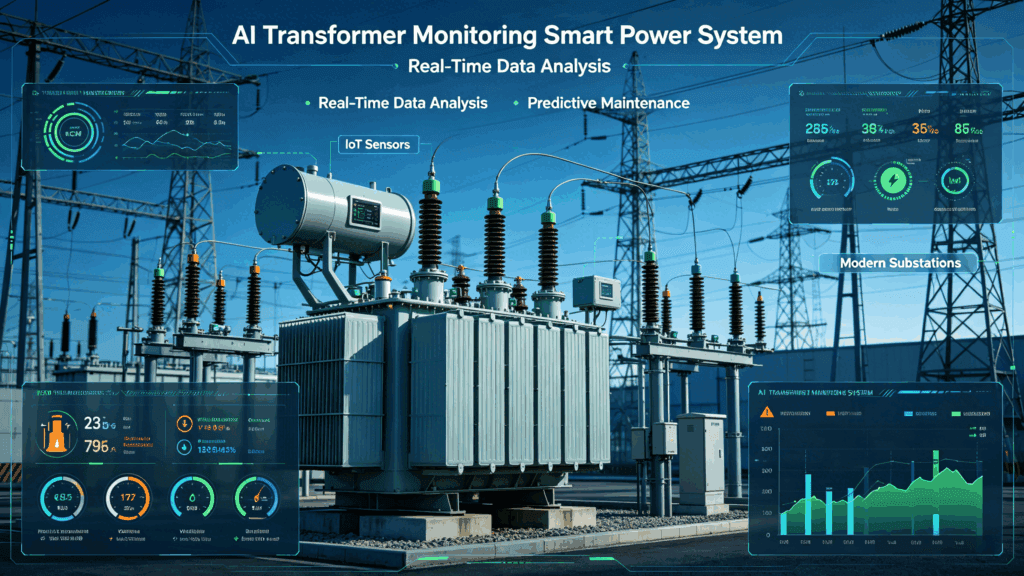
2.Limitations of Traditional Transformer Monitoring
Despite its importance in maintaining power system stability, traditional transformer monitoring methods face significant limitations that make them increasingly unsuitable for modern, data-driven energy infrastructures.
1.Lack of Real-Time Visibility
First, many conventional monitoring systems rely heavily on manual inspections or periodic maintenance schedules. In practice, this means that transformer conditions are only evaluated at fixed intervals rather than continuously. As a result, critical issues such as overheating, insulation degradation, or abnormal load fluctuations may go undetected for extended periods.
In rapidly changing operating environments—such as renewable energy systems or EV charging networks—this lack of real-time visibility significantly increases the risk of unexpected failures. By the time a problem is identified, it may have already escalated into a costly outage or equipment damage.
2.Limited Data Utilization
Second, traditional transformer monitoring systems often collect only a limited set of parameters and lack the ability to process large volumes of data efficiently. While basic metrics such as temperature or voltage may be available, these systems do not provide deeper insights into transformer health.
More importantly, the absence of advanced analytics tools makes it difficult for operators to interpret the data effectively. Without intelligent analysis, valuable information remains underutilized, preventing operators from making informed decisions about maintenance and operation.
3.Dependence on Human Expertise
Another major limitation is the heavy reliance on human experience. In traditional setups, engineers must manually interpret monitoring data and diagnose potential issues based on their knowledge and past experience.
While expert judgment is valuable, this approach introduces inconsistencies and potential errors. Different operators may interpret the same data differently, leading to variability in decision-making. In complex systems, this increases the likelihood of misdiagnosis or delayed response to emerging faults.
4.Reactive Maintenance Approach
Traditional transformer monitoring systems are fundamentally reactive rather than proactive. Maintenance actions are typically triggered only after a fault has occurred or when predefined thresholds are exceeded.
This reactive approach leads to several challenges:
- Increased risk of unplanned downtime
- Higher repair and replacement costs
- Reduced equipment lifespan
- Inefficient allocation of maintenance resources
Without predictive capabilities, operators cannot anticipate failures or optimize maintenance schedules.
5.Poor Integration with Modern Power Systems
As power systems evolve toward digitalization and smart grid integration, traditional monitoring systems struggle to keep up. Many legacy systems are not designed to integrate with modern technologies such as IoT platforms, cloud computing, or advanced data analytics tools.
This lack of interoperability limits their ability to support centralized monitoring, remote diagnostics, and large-scale asset management across multiple locations.
6.Transition to AI Transformer Monitoring
These limitations clearly demonstrate that traditional approaches are no longer sufficient for today’s complex and dynamic power environments. To ensure higher reliability, efficiency, and cost-effectiveness, a more intelligent and proactive solution is required.
This is where AI transformer monitoring plays a critical role. By enabling real-time data analysis, predictive maintenance, and automated fault detection, AI-based systems address the core weaknesses of traditional monitoring and provide a more advanced and scalable solution for modern power systems.
Looking for a reliable AI transformer monitoring system for your project?
👉 Contact us today for a tailored solution and expert support.
3.What Is AI Transformer Monitoring
AI transformer monitoring refers to the application of artificial intelligence technologies within transformer monitoring systems to enable real-time data analysis, predictive maintenance, and intelligent decision-making across power networks.
In modern power systems, this approach combines advanced sensors, IoT connectivity, and machine learning algorithms to continuously collect and analyze large volumes of operational data. These systems can identify hidden patterns, detect anomalies, and predict potential failures long before they occur.
Unlike conventional transformer monitoring systems that simply record data, AI transformer monitoring systems transform raw data into actionable insights. This capability allows operators to shift from traditional reactive maintenance to predictive and condition-based maintenance strategies, significantly improving reliability and operational efficiency.
In addition, AI-driven systems can adapt over time. As more data is collected, machine learning models become increasingly accurate, enabling more precise diagnostics and optimized maintenance planning.
Key Functional Capabilities of AI Transformer Monitoring
| Capability | Tanım | Value to Operators |
|---|---|---|
| Real-Time Data Monitoring | Continuous tracking of temperature, load, oil condition, and electrical data | Immediate visibility into transformer status |
| Predictive Maintenance | AI predicts failures based on historical and real-time data patterns | Reduces unplanned downtime |
| Fault Detection & Diagnosis | Automatic identification of abnormal behavior and fault types | Faster and more accurate troubleshooting |
| Data-Driven Insights | Converts raw data into actionable recommendations | Improves decision-making |
| Remote Monitoring | Cloud-based access to transformer data from any location | Enables centralized asset management |
| Self-Learning Algorithms | Machine learning models improve over time with more data | Higher accuracy and long-term optimization |
AI Transformer Monitoring vs Traditional Monitoring
To further clarify its advantages, the table below highlights the key differences:
| Aspect | Traditional Monitoring | AI Transformer Monitoring |
|---|---|---|
| Data Processing | Manual or basic | Automated and intelligent |
| Maintenance Approach | Reactive | Predictive and condition-based |
| Fault Detection Speed | Delayed | Real-time |
| Accuracy | Dependent on human judgment | Data-driven and highly accurate |
| Scalability | Limited | Highly scalable |
4.Key Technologies Behind AI Transformer Monitoring
AI transformer monitoring relies on a combination of advanced digital technologies that work together to transform raw operational data into intelligent, actionable insights. These technologies form the backbone of modern transformer monitoring systems, enabling real-time visibility, predictive maintenance, and data-driven decision-making across power networks.
1.IoT Sensors
At the core of any AI transformer monitoring system are IoT-enabled smart sensors. These sensors are installed directly on transformers to continuously collect real-time operational data, including:
- Oil and winding temperature
- Load current and voltage
- Humidity and ambient conditions
- Dissolved gas levels (DGA)
- Partial discharge signals
Unlike traditional measurement devices, IoT sensors provide continuous data streams rather than periodic snapshots. This ensures that even minor anomalies can be detected early, forming the data foundation required for intelligent analysis.
2.Machine Learning Algorithms
Machine learning is the intelligence layer of AI transformer monitoring. These algorithms analyze both historical and real-time data to identify patterns, detect anomalies, and predict potential failures.
For example, machine learning models can recognize early signs of insulation degradation or overheating by analyzing subtle changes in temperature trends or gas composition. Over time, these models improve their accuracy through continuous learning, making diagnostics more precise and reliable.
This enables a shift from experience-based decision-making to data-driven predictive maintenance.
3.Cloud Computing
Cloud computing provides the infrastructure that supports large-scale data storage, processing, and accessibility. In AI transformer monitoring systems, cloud platforms allow operators to:
- Store vast amounts of monitoring data
- Access real-time dashboards remotely
- Monitor multiple transformers across different locations
- Integrate with SCADA and energy management systems
By enabling remote monitoring and centralized control, cloud technology significantly improves operational efficiency and scalability.
4.Big Data Analytics
AI transformer monitoring systems generate massive volumes of data from sensors and operational logs. Big data analytics tools are used to process and analyze this information at scale.
These tools uncover hidden correlations and trends that would be impossible to detect manually. For example, they can identify long-term performance degradation patterns or optimize load distribution strategies based on historical usage data.
This deep level of analysis supports more informed decision-making and enhances overall transformer performance.
Integrated Technology Workflow
To better understand how these technologies work together, the following table summarizes their roles within an AI transformer monitoring system:
| Teknoloji | Core Function | Role in AI Transformer Monitoring |
|---|---|---|
| IoT Sensors | Real-time data collection | Provide continuous operational data |
| Machine Learning | Pattern recognition and prediction | Enable fault detection and predictive maintenance |
| Cloud Computing | Data storage and remote access | Support centralized monitoring and scalability |
| Big Data Analytics | Large-scale data processing and analysis | Generate deep insights and optimization strategies |
Advanced monitoring technologies are increasingly aligned with IEEE transformer monitoring guidelines, ensuring accurate diagnostics and compatibility with modern power infrastructure.
5.How AI Improves Transformer Monitoring
AI transformer monitoring introduces several key improvements over traditional approaches.
Real-Time Data Analysis
AI systems process data instantly, allowing operators to monitor transformer conditions in real time. This reduces response time and improves operational efficiency.
Predictive Maintenance
One of the most significant advantages of AI transformer monitoring is predictive maintenance. By analyzing trends in temperature, gas levels, and load conditions, AI can predict failures before they occur.
This helps prevent unplanned outages and reduces maintenance costs.
Fault Detection and Diagnosis
AI algorithms can automatically detect anomalies and diagnose potential issues. For example, abnormal dissolved gas patterns may indicate insulation failure, while unusual temperature spikes may suggest overloading.
Load Optimization
AI systems can analyze load patterns and recommend optimal operating conditions. This improves energy efficiency and reduces stress on transformers.
Want to implement AI-driven predictive maintenance in your power system?
👉 Get a customized solution designed for your application.
6.Comparison: Traditional vs AI Transformer Monitoring
To better understand the value of AI transformer monitoring, the following table compares it with traditional monitoring methods:
| Özellik | Traditional Monitoring | AI Transformer Monitoring |
|---|---|---|
| Data Collection | Periodic | Continuous (Real-time) |
| Analysis | Manual | Automated (AI-driven) |
| Fault Detection | Reactive | Predictive |
| Accuracy | Ilıman | Yüksek |
| Maintenance Strategy | Scheduled | Predictive & Condition-based |
| Operational Efficiency | Limited | Optimized |
| Remote Monitoring | Limited | Fully supported |
This comparison clearly shows that intelligent transformer monitoring provides a more advanced, efficient, and reliable solution.
7.Applications of AI Transformer Monitoring
Transformer monitoring AI is widely used across various industries and power system applications. AI monitoring is particularly valuable for oil immersed transformer systems, where parameters such as oil temperature and dissolved gas levels must be continuously tracked. AI monitoring systems can also be effectively applied to kuru tip trafo installations, improving safety and reducing maintenance requirements.
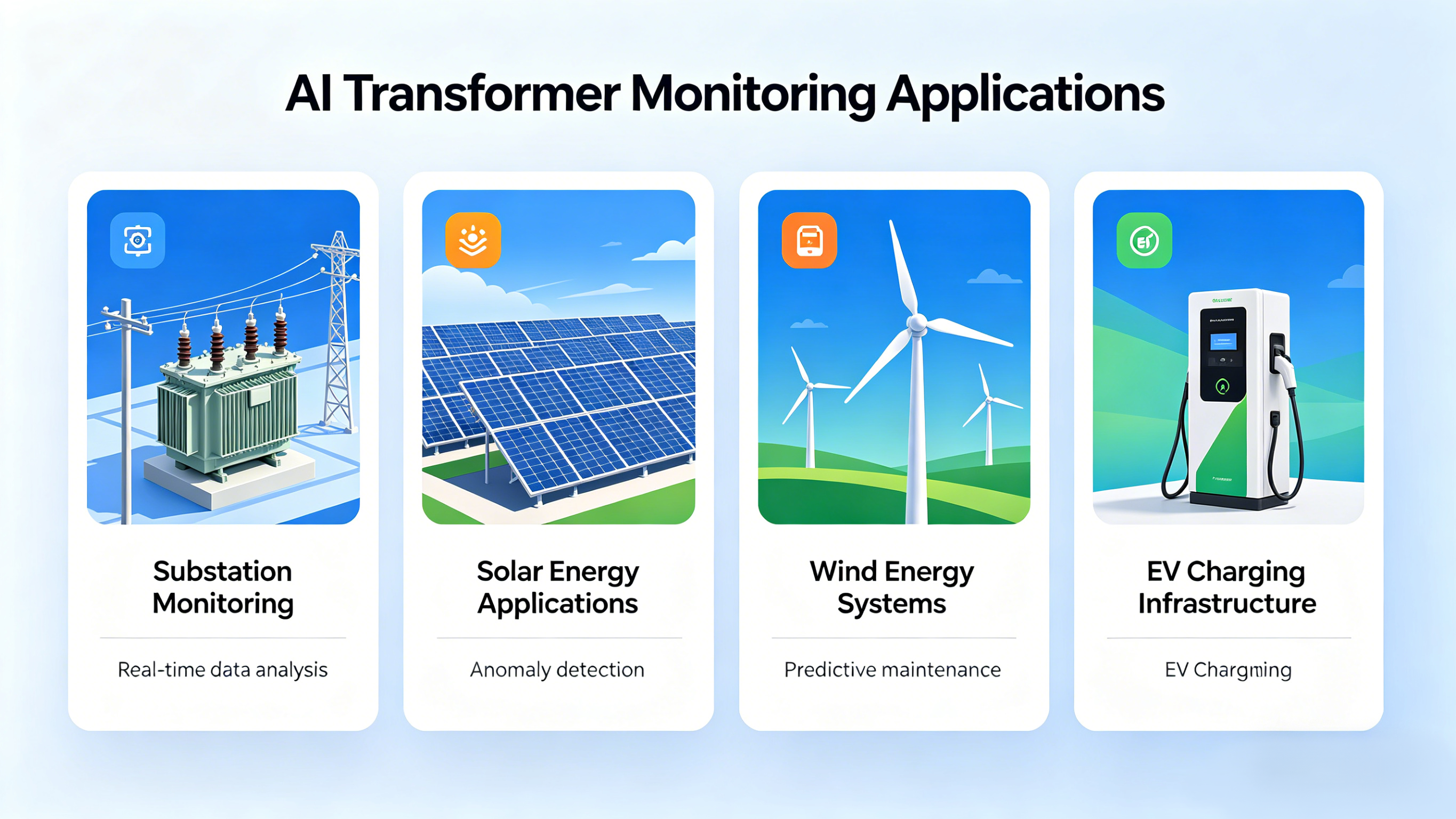
Power Substations
In substations, AI monitoring systems ensure stable operation by continuously tracking transformer conditions and preventing failures.
Renewable Energy Systems
Solar and wind power systems often experience fluctuating loads. AI transformer monitoring helps manage these variations and maintain system stability.
EV Charging Infrastructure
With the rapid growth of electric vehicles, transformers in EV charging stations are under increasing stress. AI monitoring helps optimize performance and prevent overload.
Industrial Power Systems
In industrial environments, unexpected power failures can lead to significant financial losses. AI-based monitoring ensures reliable operation and minimizes downtime.
Whether for substations, renewable energy, or industrial systems, our AI transformer monitoring solutions can be tailored to your needs.
👉 Request a solution for your project today.
8.Benefits of AI Transformer Monitoring Systems
Implementing an AI transformer monitoring system offers multiple benefits.
Reduced Downtime
By predicting failures in advance, AI systems help avoid unexpected outages and ensure continuous operation.
Lower Maintenance Costs
Predictive maintenance reduces unnecessary inspections and repairs, lowering overall maintenance expenses.
Extended Equipment Lifespan
Continuous monitoring and optimized operation reduce wear and tear, extending transformer life.
Improved Energy Efficiency
AI systems optimize load distribution and operating conditions, improving overall energy efficiency.
9.How to Choose the Right AI Transformer Monitoring Solution
Doğruyu seçmek intelligent transformer monitoring solution is a critical decision that directly impacts system reliability, operational efficiency, and long-term maintenance costs. With a growing number of suppliers offering different technologies and capabilities, it is essential to evaluate solutions based on both technical performance and real-world application experience.
Below are the key factors to consider when choosing a reliable system.
Technical Capability
The foundation of any effective intelligent transformer monitoring system lies in its technical capabilities. A robust solution should support:
- Real-time data acquisition and monitoring
- AI-driven predictive analytics
- Intelligent fault detection and diagnostics
- Remote access and cloud-based dashboards
Systems that lack advanced analytics may still collect data but fail to deliver actionable insights. Therefore, prioritizing intelligent transformer monitoring with predictive maintenance capabilities is essential for modern power systems.
Customization
Every project has unique requirements depending on voltage levels, load profiles, environmental conditions, and application scenarios. A reliable supplier should offer flexible and customizable solutions tailored to specific needs.
For example, monitoring requirements for a renewable energy plant may differ significantly from those of an industrial facility or urban substation. Customization ensures that the system delivers optimal performance in its intended environment.
Industry Experience
Experience plays a crucial role in ensuring system reliability and project success. It is important to choose a supplier with proven expertise in both transformer manufacturing and intelligent monitoring systems.
Suppliers with experience in:
- Power substations
- Renewable energy systems (solar, wind)
- Industrial power distribution
- EV charging infrastructure
are more likely to understand real-world challenges and provide effective solutions.
Integration Ability
Modern power systems rely on multiple digital platforms, including SCADA systems and energy management systems (EMS). An ideal intelligent transformer monitoring solution should integrate seamlessly with existing infrastructure.
Key integration features include:
- Compatibility with SCADA protocols
- API support for data exchange
- Centralized monitoring across multiple assets
- Easy deployment without major system modifications
Strong integration capability ensures smoother implementation and reduces additional costs.
After-Sales Support
Even the most advanced system requires reliable technical support to ensure long-term performance. When evaluating a transformer monitoring system supplier, consider:
- Availability of technical support and response time
- Remote troubleshooting capabilities
- On-site service options (if required)
- Software updates and system upgrades
Reliable after-sales service minimizes downtime and ensures continuous system optimization.
Supplier Evaluation Checklist
To simplify the selection process, the following table provides a quick comparison framework:
| Evaluation Criteria | Key Questions to Ask | Neden Önemlidir? |
|---|---|---|
| Technical Capability | Does the system support AI and predictive maintenance? | Ensures advanced monitoring performance |
| Customization | Can the solution be tailored to my project requirements? | Improves system suitability |
| Industry Experience | Has the supplier completed similar projects? | Reduces project risk |
| Integration Ability | Can it connect with existing systems like SCADA? | Enables seamless deployment |
| After-Sales Support | What support services are provided? | Ensures long-term reliability |
10.Future Trends in AI Transformer Monitoring
intelligent transformer monitoring is expected to evolve rapidly in the coming years.
Digital Twin Technology
Digital twins will enable real-time simulation of transformer performance, allowing operators to test scenarios and optimize operations.
Fully Automated Substations
AI will play a key role in developing unmanned and fully automated substations.
Integration with Smart Grids
Intelligent transformer monitoring will become a core component of smart grid systems, enabling more efficient and reliable power distribution.
Intelligent transformer monitoring is becoming a key component of smart grid technologies, enabling more efficient and intelligent energy distribution systems.
11.Conclusion
Intelligent transformer monitoring is revolutionizing the way transformers are managed and maintained. By enabling real-time analysis, predictive maintenance, and intelligent decision-making, it significantly improves efficiency, reliability, and cost-effectiveness.
As power systems become more complex and demand for reliable electricity continues to grow, adopting AI-based transformer monitoring solutions is no longer optional—it is essential.
For businesses and utilities looking to enhance performance and reduce operational risks, investing in intelligent transformer monitoring is a strategic move toward a smarter and more sustainable energy future.
Looking for a reliable AI transformer monitoring solution?
👉 Contact us today to get a customized system and professional support.