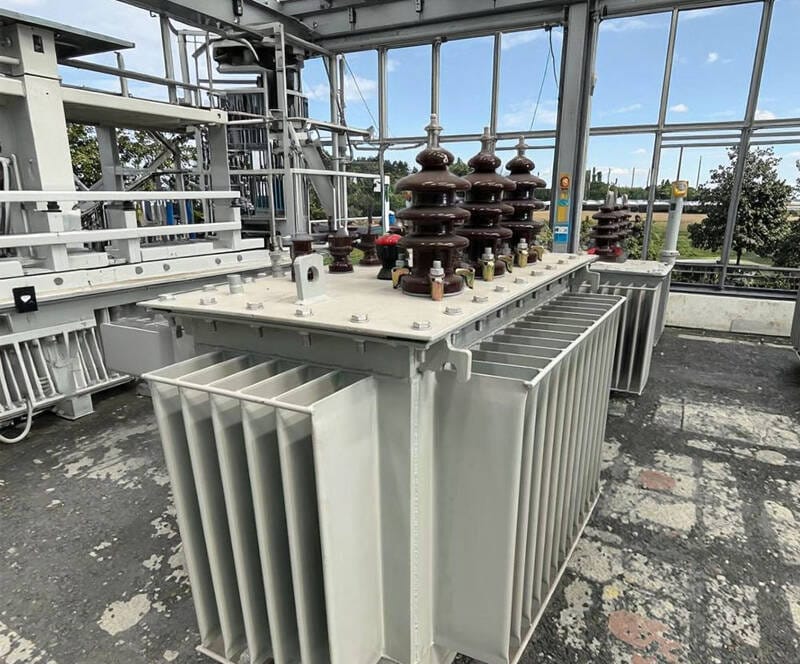
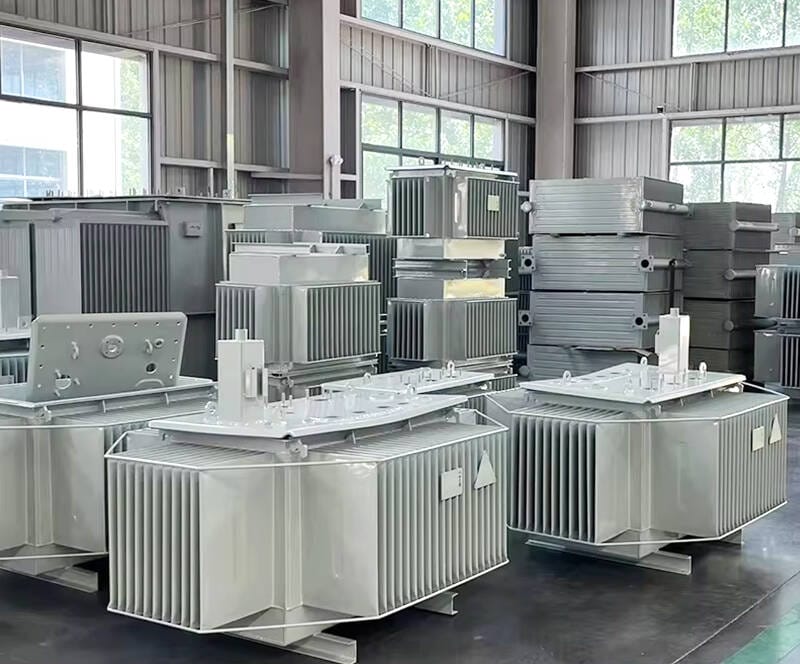
Hidden Costs in Transformer Procurement can significantly impact project budgets if overlooked. As a trusted transformer supplier and industry consultant, we help buyers navigate the complex landscape of transformer procurement. This article explores the hidden costs that many buyers overlook and offers practical strategies to minimize total ownership costs. By the end of this guide, you’ll understand how to evaluate transformers beyond the purchase price, considering factors like efficiency, specifications, logistics, certification, and long-term maintenance.
Table of Contents (TOC)
- Introduction to Hidden Costs in Transformer Procurement
- How Specification Gaps Increase Hidden Costs in Transformer Procurement
- Energy Losses and Lifecycle Costs in Transformer Procurement
- Manufacturing Quality and Reliability Risks in Transformers
- Certification and Compliance Expenses in Transformer Procurement
- Logistics, Packaging, and Transportation Considerations for Transformers
- Installation, Commissioning, and Site Support Costs for Transformers
- Maintenance, Spare Parts, and After-Sales Support for Transformers
- Calculating True Total Cost of Ownership for Transformers
- Strategies to Avoid Hidden Costs in Transformer Procurement
- Conclusion: Cheapest Transformer ≠ Lowest Project Cost in Transformer Procurement
- FAQ
Section 1: Introduction to Hidden Costs in Transformer Procurement
Purchasing a transformer is a complex decision that extends far beyond evaluating the initial quotation. Buyers frequently focus only on the upfront purchase price, overlooking other significant factors that contribute to the total cost of ownership (TCO). Hidden costs can arise from specification mismatches, energy inefficiencies, logistics, installation, certification, compliance, and long-term maintenance. Ignoring these costs can result in unexpected financial burdens, operational challenges, and project delays.
Transformers are long-term assets, and their operational efficiency directly affects project profitability. For example, a transformer purchased at a low initial cost but with high energy losses or suboptimal design may end up costing substantially more over its lifecycle. By considering the full TCO, including both visible and hidden costs, buyers can make informed decisions that optimize both performance and budget.
Real-world examples demonstrate that the cheapest transformer upfront may lead to costly redesigns, higher energy consumption, and frequent maintenance needs. Hence, adopting a lifecycle-focused procurement strategy is essential for EPCs, industrial operators, and utilities.
Section 2: How Specification Gaps Increase Hidden Costs in Transformer Procurement
Specification mismatches are one of the most common sources of hidden costs in transformer procurement. Incomplete or inaccurate specifications can result in transformers that do not meet the operational requirements, leading to costly redesigns, delays, or even project failures.
Key areas where specification gaps occur include:
- Voltage Levels: Incorrect voltage specification may require rewinding or replacing components, causing project delays.
- Cooling Methods: Improper cooling can lead to inefficient operation, overheating, and reduced lifespan.
- Insulation Class: Using the wrong insulation type can increase the risk of failure, necessitating premature maintenance or replacement.
- Load Profiles: Mismatched load assumptions may lead to overload conditions, higher losses, and unexpected operational costs.
Table Example:
| Specification | Potential Hidden Cost | Impact |
|---|---|---|
| Voltage Level | Rework or redesign | Delayed project completion, increased labor costs |
| Cooling System | Inefficient operation | Higher energy consumption, shortened transformer life |
| Insulation Class | Premature failure | Maintenance and replacement expenses |
| Load Profile | Overload or inefficiency | Reduced transformer lifespan, risk of downtime |
By ensuring specifications are comprehensive and accurate, buyers can significantly reduce hidden costs. This involves consulting with engineering teams, reviewing operational requirements, and validating transformer design against real-world conditions.
Case Study Example: A utility company in Europe initially purchased transformers without considering seasonal load variations. The insufficient specification led to overheating during peak months, resulting in a three-month project delay and additional retrofit costs exceeding 12% of the original transformer budget.
Section 3: Energy Losses and Lifecycle Costs in Transformer Procurement
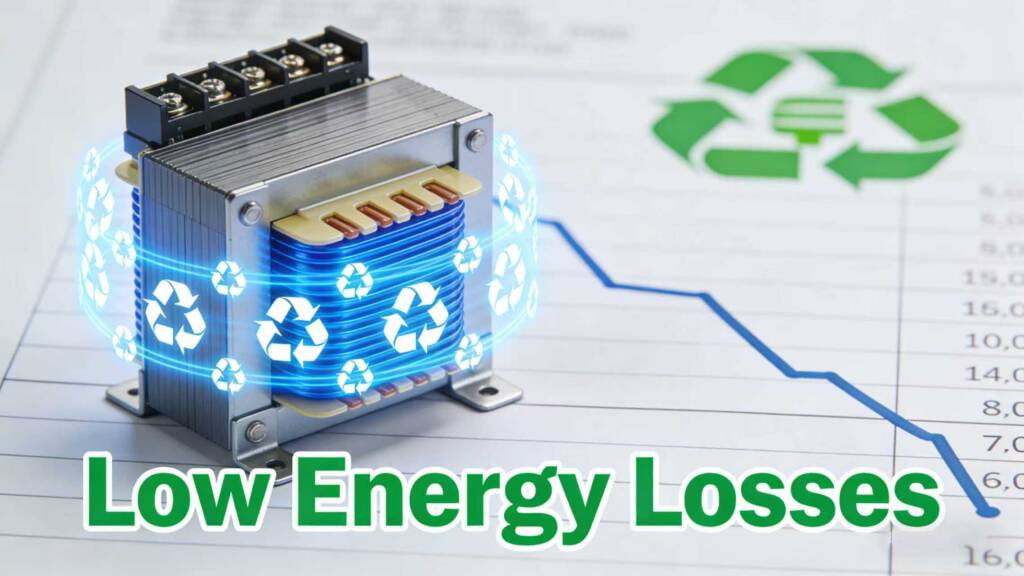
Energy losses, including both no-load and load losses, contribute significantly to the total cost of a transformer over its lifecycle. Transformers with lower efficiency may appear cost-effective upfront but can incur higher operational costs due to wasted energy.
Understanding Energy Loss Types:
- No-load Losses: Energy consumed when the transformer is energized but not delivering power. Typically measured in watts and occurring continuously, these losses can accumulate into substantial electricity costs.
- Load Losses: Energy lost due to resistance when the transformer is delivering power. These losses increase with load intensity and operational hours.
Table Example:
| Transformer Type | No-load Loss | Load Loss | Estimated 20-Year Energy Cost |
| Standard Efficiency | 1.5% | 2.0% | $500,000 |
| High Efficiency | 0.8% | 1.2% | $300,000 |
Investing in high-efficiency transformers may require a higher initial capital outlay but can result in significant energy savings over the life of the equipment. For large-scale industrial or utility applications, these savings can easily outweigh the initial price difference.
Practical Tip: When evaluating transformer options, consider calculating the total cost of energy losses over the expected operational period. This provides a more accurate representation of the financial impact than focusing solely on the purchase price.
Section 4: Manufacturing Quality and Reliability Risks in Transformers
The quality of transformer manufacturing has a direct impact on operational reliability and hidden costs. Factors such as core material, winding design, and mechanical robustness influence long-term performance and maintenance needs.
Key Considerations:
- Core Material: High-grade silicon steel reduces core losses, minimizes heat generation, and improves efficiency.
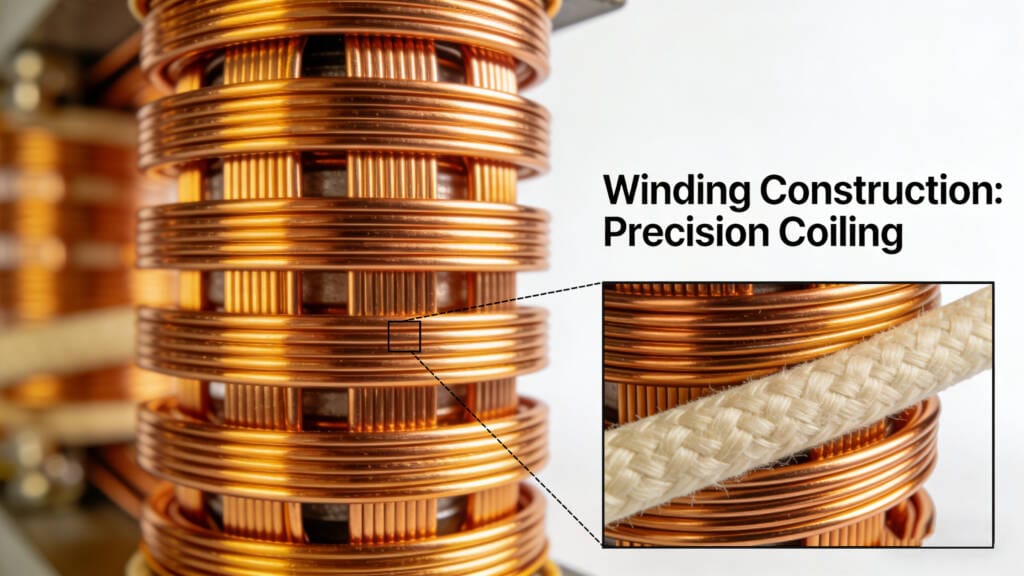
- Winding Construction: Multi-layer or helical winding designs enhance mechanical strength and reduce the risk of short-circuits.
- Mechanical Stability: Proper fastening, anti-loosening measures, and vibration resistance prevent premature failures.
Case Study Example: An industrial facility in Southeast Asia experienced repeated transformer failures due to substandard winding construction. The repairs and downtime costs exceeded the initial transformer purchase price, highlighting the importance of selecting high-quality manufacturing.
Section 5: Certification and Compliance Expenses in Transformer Procurement
Certifications confirm that transformers meet international and local safety, performance, and regulatory standards. Missing or non-compliant certifications can lead to project delays, re-testing costs, or outright rejection by local authorities.
Common Certifications Include:
- IEC and IEEE for technical compliance
- CE and UL for safety standards
- Local grid operator approvals
Case Example: A North American utility purchased transformers without confirming UL compliance. The transformers were initially rejected by the local inspection authority, leading to additional testing costs and a 6-week project delay.
Section 6: Logistics, Packaging, and Transportation Considerations for Transformers
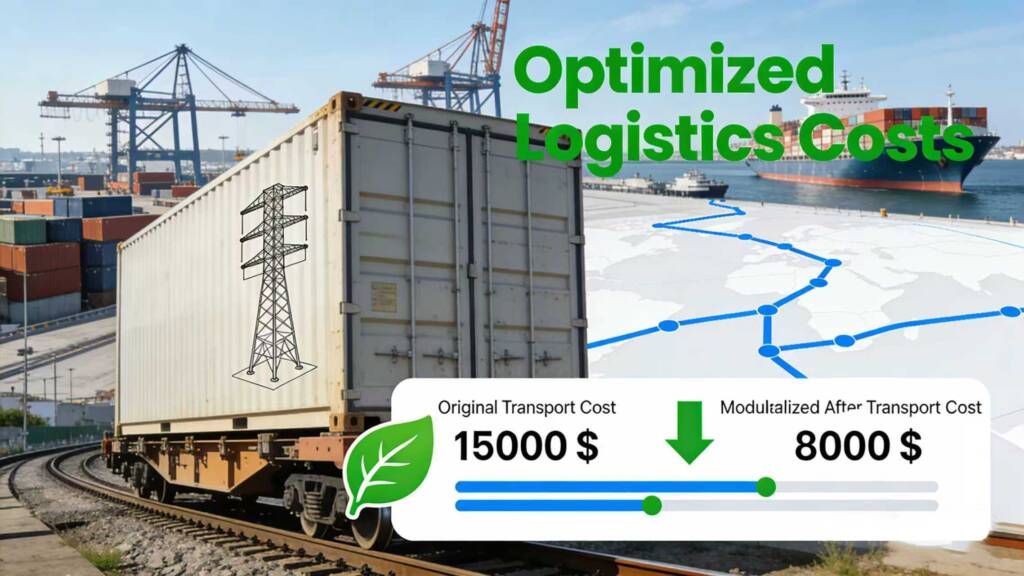
Transportation and packaging are often underestimated in transformer procurement. Poor packaging, exposure to moisture, or inadequate handling during transit can result in damage, repair costs, and project delays.
Best Practices:
- Use robust packaging that protects against environmental factors
- Ensure compliance with international shipping standards
- Clarify Incoterms to define responsibilities and costs
Table Example:
| Factor | Potential Cost Impact | Mitigation |
| Packaging | Damage during transit | Use reinforced crates and moisture barriers |
| Transportation | Delays or mishandling | Select experienced logistics partners |
| Environmental Exposure | Corrosion or deterioration | Pre-shipment inspection and climate-controlled transport |
Section 7: Installation, Commissioning, and Site Support Costs for Transformers
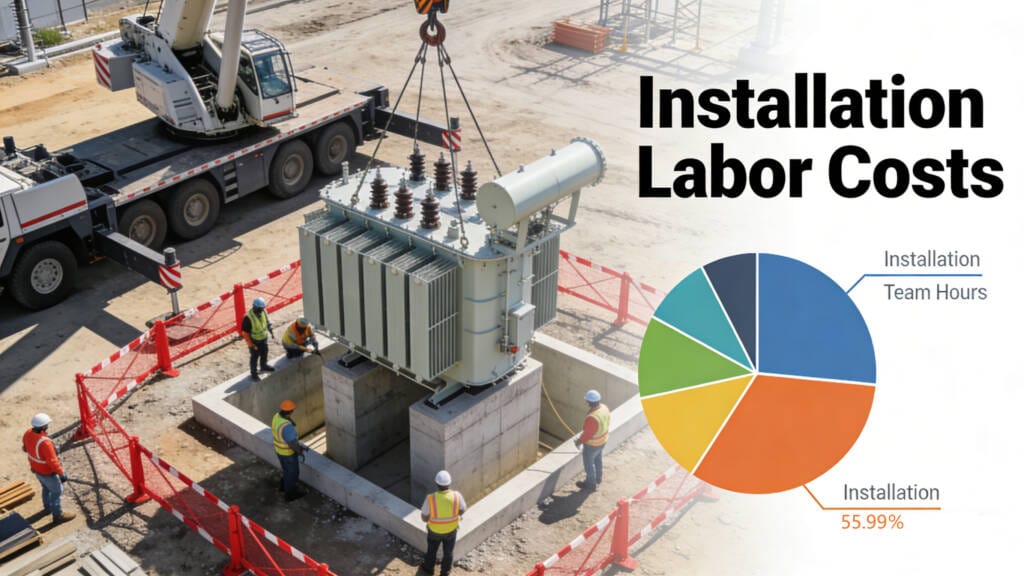
Transformer installation and commissioning are critical phases that can introduce hidden costs if not properly planned. These costs include labor, specialized equipment, technical support, site preparation, and potential downtime during energization.
Key Factors:
- Site Preparation: Ensuring foundations, cooling systems, and electrical connections meet specifications is essential. Delays or modifications during this phase can significantly increase costs.
- Installation Labor: Skilled technicians are required to assemble and connect transformers safely. Underestimating labor needs leads to overtime and additional staffing costs.
- Commissioning Support: Testing, calibration, and energization require experienced engineers. Failure to plan these steps can result in project delays and penalties.
- Compatibility Checks: Accessories, protection relays, and monitoring devices must be verified for compatibility. Missing components can require emergency procurement and installation costs.
Case Study: A European industrial project underestimated installation complexity. The absence of site-level support for three medium-voltage transformers caused a 4-week delay and $150,000 in additional labor costs.
Section 8: Maintenance, Spare Parts, and After-Sales Support for Transformers
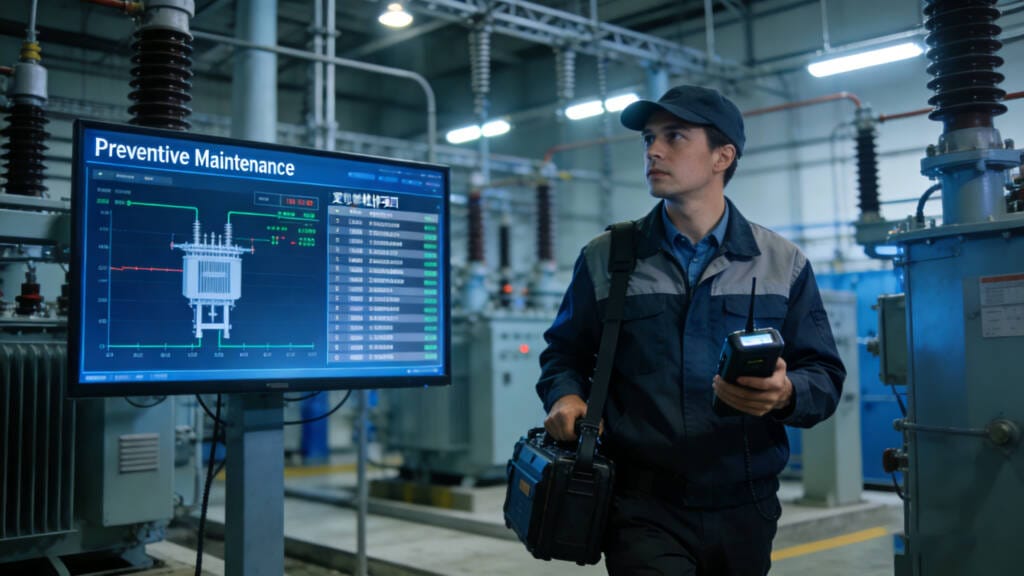
Long-term maintenance is a major contributor to total ownership cost. Hidden expenses often arise when spare parts are not readily available, or when service contracts are incomplete.
Key Considerations:
- Scheduled Maintenance: Regular inspection and servicing prevent failures but require planning and budgeting.
- Spare Parts Availability: Long lead times for transformers or parts can extend downtime, increasing indirect costs.
- After-Sales Support: Rapid technical assistance reduces the financial impact of failures and avoids extended outages.
Table Example:
| Maintenance Component | Potential Hidden Cost | Mitigation |
|---|---|---|
| Spare parts | Delayed replacement | Maintain stock or partner with supplier for quick delivery |
| Technical support | Extended downtime | Service contract with guaranteed response time |
| Routine maintenance | Operational interruptions | Plan schedule to minimize production impact |
Case Study: A Southeast Asian utility purchased transformers without considering spare parts logistics. A failed transformer took 3 weeks to repair, resulting in unplanned energy losses and revenue loss equivalent to 10% of the unit cost.
Section 9: Calculating True Total Cost of Ownership for Transformers
Calculating TCO requires a comprehensive approach considering both direct and indirect costs:
- Purchase Price: Base cost of transformer
- Energy Losses: No-load and load losses over operational life
- Installation & Commissioning: Labor, site preparation, and technical support
- Certification & Compliance Fees: Testing, approvals, and documentation
- Logistics & Transportation: Packaging, handling, and shipping
- Maintenance & Spare Parts: Scheduled servicing and replacement parts
Formula Example:
Total Cost of Ownership (TCO) = Purchase Price + Energy Losses + Installation Costs + Certification Fees + Transportation Costs + Maintenance Costs
Table Example:
| Cost Component | Estimated 20-Year Cost |
| Purchase Price | $800,000 |
| Energy Losses | $350,000 |
| Installation | $120,000 |
| Certification | $25,000 |
| Transportation | $30,000 |
| Maintenance | $150,000 |
| Total TCO | $1,475,000 |
Using this approach ensures that buyers are aware of the real financial impact of each component and make informed procurement decisions.
Section 10: Strategies to Avoid Hidden Costs in Transformer Procurement
Effectively avoiding hidden costs in transformer procurement requires a proactive, structured approach that addresses every phase of the acquisition process. Buyers should adopt a lifecycle perspective, prioritizing long-term efficiency and reliability over merely selecting the lowest upfront price.
Key Strategies:
- Comprehensive Specification Review: Ensure all technical requirements, including voltage, load profile, cooling method, insulation class, and environmental conditions, are explicitly documented and verified with the supplier.
- Supplier Qualification: Evaluate suppliers based on past project experience, manufacturing quality, compliance with international standards, and capacity for technical support. Audits and references can prevent costly mistakes.
- Lifecycle Cost Analysis: Use total cost of ownership (TCO) calculations that include purchase price, energy losses, installation, maintenance, and potential downtime. Prioritize transformers that optimize long-term operational costs.
- Early Logistics and Installation Planning: Coordinate transport, site preparation, and installation scheduling in advance. Confirm packaging integrity, environmental protection during shipping, and required lifting or handling equipment.
- Certification Verification: Ensure all required certifications (IEC, IEEE, CE, UL) and local approvals are confirmed before procurement. This prevents re-testing, regulatory fines, or project delays.
- Maintenance and Spare Parts Planning: Establish clear maintenance schedules, secure access to spare parts, and set up responsive after-sales support to reduce unexpected downtime.
- Stakeholder Communication: Engage engineers, procurement teams, and project managers throughout the process to align expectations and prevent specification misunderstandings.
Case Study: A multinational EPC avoided a potential $200,000 additional cost by implementing a detailed pre-procurement checklist. Early collaboration with the supplier revealed minor specification inconsistencies and resolved them before manufacturing, preventing shipping delays and post-installation modifications.
Section 11: Conclusion: Cheapest Transformer ≠ Lowest Project Cost
Selecting the cheapest transformer based solely on upfront cost is a common pitfall that often leads to higher total costs over the transformer’s operational life. True value is measured by the total cost of ownership, which includes energy efficiency, maintenance, compliance, installation, logistics, and potential downtime costs.
Key Takeaways:
- Lifecycle Perspective: Consider all operational, maintenance, and energy costs alongside the purchase price.
- Specification Accuracy: Detailed and verified specifications prevent redesign, retrofitting, and project delays.
- Supplier Quality Matters: High-quality manufacturing reduces failure rates and long-term maintenance costs.
- Comprehensive Planning: Proactive logistics, installation, and maintenance planning prevent hidden costs from accumulating.
- Efficiency Pays Off: Higher-efficiency transformers can deliver significant cost savings through reduced energy consumption and lower emissions compliance fees.
In conclusion, buyers should adopt a strategic approach that evaluates transformers not just by initial purchase price, but by their overall contribution to project efficiency, reliability, and lifecycle cost-effectiveness. By doing so, EPCs, industrial operators, and utilities can make informed decisions that maximize project value and minimize hidden financial risks.
Ready to Avoid Hidden Costs in Transformer Procurement? Request a free consultation with our technical team. We provide a detailed transformer specification checklist, TCO evaluation, and procurement strategy to ensure optimal project value.
Section 12: FAQ
Q1: What are the hidden costs in transformer procurement?
A: Hidden costs include specification mismatches, energy losses, transportation, installation, certification, and long-term maintenance.
Q2: How do transformer losses affect long-term operating cost?
A: Higher no-load or load losses increase energy consumption, raising electricity costs over the transformer’s lifecycle.
Q3: Is a high-efficiency transformer worth the higher price?
A: Yes, improved efficiency reduces energy costs and maintenance needs, often offsetting the initial investment.
Q4: How can buyers reduce procurement risks?
A: Clarify specifications, evaluate supplier quality, plan logistics, and ensure certifications and after-sales support are in place.
Q5: How do maintenance plans affect total cost of ownership?
A: Regular maintenance prevents premature failures, reduces emergency repairs, and lowers overall ownership costs.