I. Introduction: What is a Dry Type Transformer
Dry type transformers are electrical devices that transfer energy without using oil for insulation or cooling. They are commonly used in industrial, commercial, and public facilities, where safety and low maintenance are critical. If you want to know what is a dry type transformer and what are dry type transformers, this guide covers everything: types, working principle, advantages, applications, and maintenance tips.
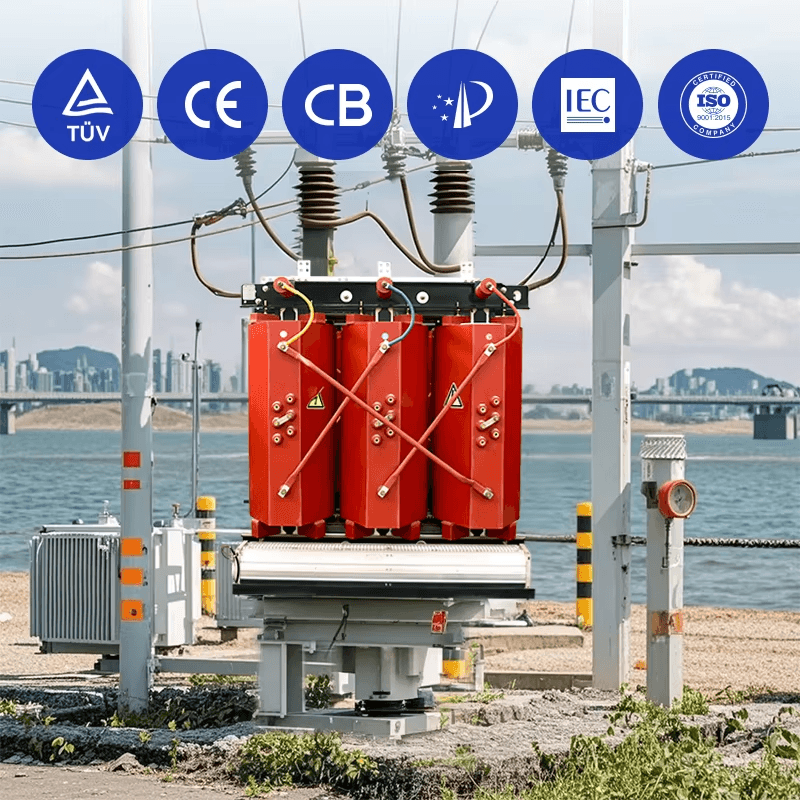
Discover the benefits of dry type transformers
Table of Contents (TOC)
- Introduction: What is a Dry Type Transformer
- What Are Dry Type Transformers? Key Features
- How Dry Type Transformers Work
- Types of Dry Type Transformers
- Cooling Methods for Dry Type Transformers
- Advantages of Dry Type Transformers
- Applications of Dry Type Transformers
- Specifications and Dimensions of Dry Transformers
- How to Select the Right Dry Type Transformer
- Maintenance and Care Tips
- Conclusion Summary of What Dry Type Transformers Are and Why They Matter
II. What Are Dry Type Transformers? Key Features
Dry type transformers are non-oil transformers that rely on air or resin insulation instead of oil. They are also known as resin insulated transformers ou ventilated dry type transformers.
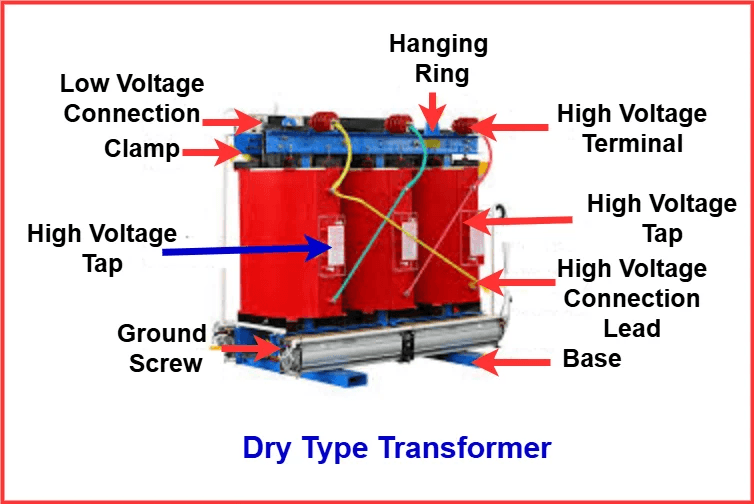
Key Features:
- Iron Core: Guides the magnetic flux
- Windings: Made of copper or aluminum, insulated with resin
- Insulation: Epoxy resin or air insulation
- Safety: No risk of oil leakage or fire hazard
- Efficiency: Comparable to oil immersed transformers
III. How Dry Type Transformers Work
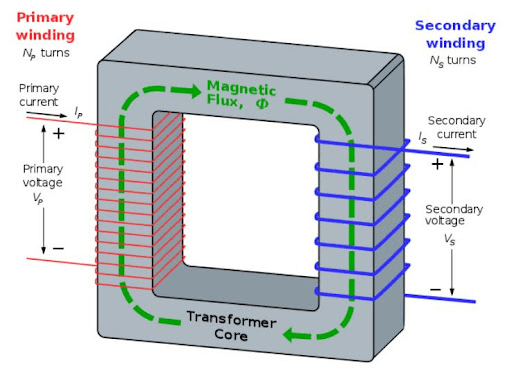
Dry type transformers transfer electrical energy through electromagnetic induction.
Working Principle:
- Le primary winding receives electrical energy.
- This generates a magnetic field in the iron core.
- Le secondary winding converts the magnetic flux back into electrical energy.
- The transformer is cooled by air flow ou resin insulation, depending on the type.
summary
| Composant | Function |
|---|---|
| Primary winding | Receives input voltage |
| Iron core | Guides magnetic flux |
| Secondary winding | Delivers output voltage |
| Insulation | Ensures safety and prevents leakage |
IV. Types of Dry Type Transformers
Dry type transformers can be classified based on insulation and installation environment.
1. Cast Resin Dry Type Transformer
- Uses epoxy resin insulation
- Haut fire resistance
- Suitable for indoor installations in commercial buildings
2. Air Insulated Dry Type Transformer
- Uses air as insulation
- Typically ventilated for cooling
- Suitable for industrial environments
3. Indoor vs Outdoor Dry Type Transformers
- Indoor: Compact, protected from weather
- Outdoor: Designed for harsh environments with enclosure
👉Explore our range of cast resin and air insulated dry type transformers
V. Cooling Methods for Dry Type Transformers
Dry type transformers rely on air or resin insulation for cooling. The cooling method is critical for transformer efficiency and lifespan.
1. Air Natural (AN) Cooling
- Uses natural airflow to dissipate heat
- No fans required
- Suitable for small to medium-sized transformers
2. Air Forced (AF) Cooling
- Uses fans to increase airflow
- Can handle higher loads
- Often used in industrial applications
3. Auxiliary Cooling
- Includes air conditioning or forced ventilation
- Ensures consistent temperature in harsh environments
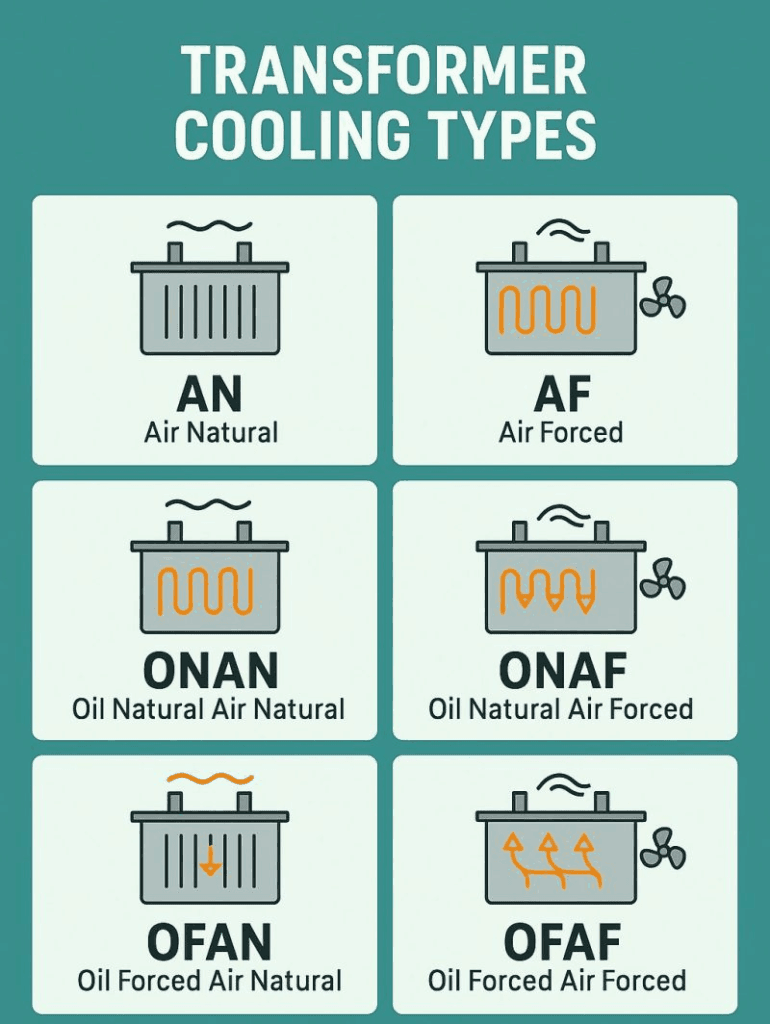
summary
| Méthode de refroidissement | Description | Typical Application |
|---|---|---|
| AN (Air Naturel) | Natural airflow cooling | Small/medium transformers |
| AF (Armée de l'Air) | Fan-assisted airflow | Industrial transformers |
| Auxiliary | Air-conditioned or forced ventilation | Sensitive indoor installations |
Need help selecting the right cooling method?
VI. Advantages of Dry Type Transformers
Dry type transformers are safe, reliable, and low-maintenance, making them ideal for many environments.
Key Advantages:
- Safety: No oil, reduced fire risk
- Environmentally Friendly: No oil leakage, no soil contamination
- Low Maintenance: Less routine service compared to oil transformers
- Durable: Epoxy resin insulation improves lifespan
- Flexibility: Suitable for indoor, outdoor, and high-rise installations
- High Efficiency: Comparable to oil immersed transformers
VII. Applications of Dry Type Transformers
Dry type transformers are widely used where safety, reliability, and low maintenance are critical.
Common Applications:
- Commercial Buildings: Offices, malls, and high-rise buildings
- Industrial Facilities: Factories, warehouses, and manufacturing plants
- Public Infrastructure: Hospitals, airports, schools, and data centers
- Special Environments: Fire-sensitive areas or where oil leakage is unacceptable
👉Check our dry type transformer solutions for your facility
VIII. Specifications and Dimensions of Dry Type Transformers
When selecting a dry type transformer, specifications are key.
Typical Specifications:
| Paramètre | Description |
|---|---|
| Capacity | 10 kVA – 5000 kVA |
| Voltage Level | Low, Medium, High Voltage |
| Refroidissement | AN, AF, or auxiliary |
| Insulation | Epoxy resin or air |
| Installation | Indoor/Outdoor |
IX. How to Select the Right Dry Type Transformer
Selecting the right transformer ensures long-term performance and safety.
Selection Tips:
- Determine load capacity based on peak demand
- Choose appropriate cooling method (AN, AF)
- Consider installation environment (indoor/outdoor)
- Verify standards and certifications (IEC, IEEE)
X. Maintenance and Care Tips
Proper maintenance ensures long transformer life and reliability.
Maintenance Steps:
- Inspect insulation and windings regularly
- Clean ventilation paths to prevent overheating
- Monitor temperature, noise, and vibration
- Schedule periodic testing to detect early issues
XI. Conclusion: Summary of What Dry Type Transformers Are and Why They Matter
Dry type transformers don’t use oil. They are safe. They’re also pretty versatile. You’ll find them in commercial, industrial, or public facilities. In those places, reliability really matters. Low maintenance is a big plus too. If you pick the right type and cooling method? You’re usually good for efficiency. And a long service life.