Introduction
Understandingthe types of transformers—it matters. Especially if you’re working in power systems, industrial projects, or renewable energy. You kind of need to know this stuff.
There aremany different types of transformersout there. Each one is built for something specific. Pick the right type, and your system gets better efficiency, safer operation, maybe even lasts longer. That’s the idea, anyway.
So, modern electrical infrastructure—it uses various kinds of transformer. Some step up voltage for transmission. Some step down for distribution. Others just sit there providing isolation for sensitive equipment. You’ve got power transformers, distribution transformers, dry type, oil immersed—they all matter. Each one plays its part, you know, helping keep power delivery reliable. Well, most of the time, anyway.
This guide—it gives you a complete overview of transformer types. We’re talking classification methods, how they’re used in the real world, and some practical tips on picking the right one. For engineers, buyers, project developers—whoever, really. Hopefully it covers what you need. Mostly.
Table of Contents (TOC)
- What is a Transformer and How Does It Work
- Types of Transformers Based on Voltage
- Types of Transformers Based on Application
- Transformer Core Material Types
- Single Phase vs Three Phase Transformer
- Dry Type vs Oil Filled Transformer
- Other Different Types of Transformers
- How to Choose the Right Transformer
- Transformer Losses and Efficiency
- Applications of Different Types of Transformers
- FAQs About Types of Transformers
1.What is a Transformer and How Does It Work
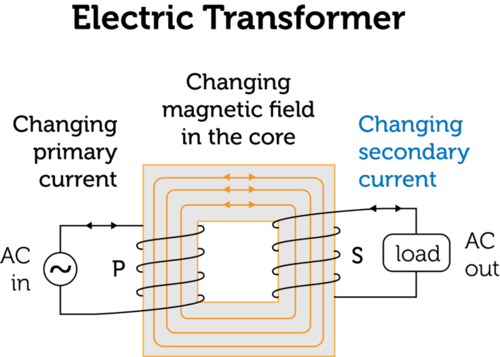
A transformer—it’s this electrical device. Basically, it transfers energy between circuits. Two or more of them. How? Through electromagnetic induction, if you want to get technical. Honestly, it’s one of the most important things in any power system. Probably the most important, depending on who you ask.
Key Components of a Transformer
Every transformer consists of three main parts:
- Primary winding
- Secondary winding
- Magnetic core
The design and quality of these components directly affect transformer efficiency and performance.
Working Principle of Transformer
So, how does a transformer work? It’s all about Faraday’s Law—electromagnetic induction. You’ve got alternating current going through the primary winding, right? That creates a changing magnetic field in the core. And that magnetic field—well, it induces a voltage over on the secondary side. Something like that, anyway.
This process allows energy transfer without direct electrical connection, making transformers highly efficient and safe.
Voltage Transformation Concept
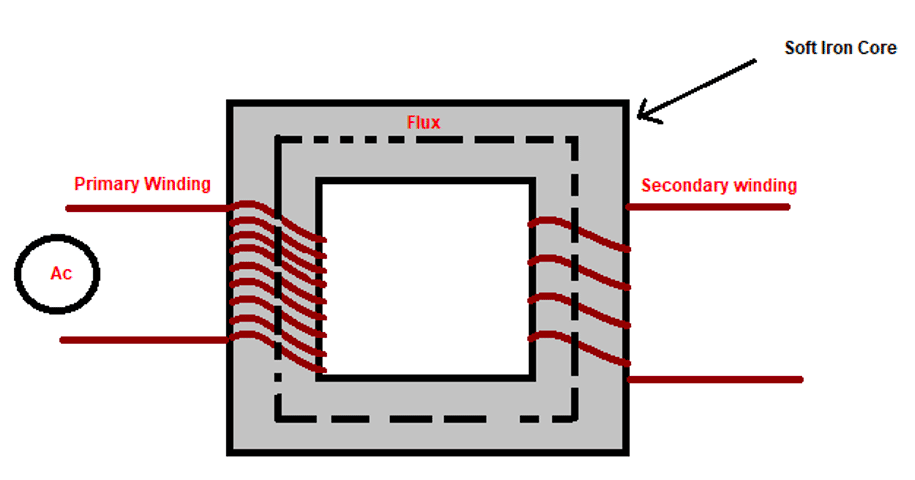
The voltage level depends on the turns ratio:
- More turns in secondary → higher voltage (step-up transformer)
- Fewer turns → lower voltage (step-down transformer)
This principle is the foundation for all types of transformers.
2.Types of Transformers Based on Voltage
How do you classify different types of transformers? One common way—probably the most common—is by looking at voltage transformation. Step-up, step-down, that kind of thing. Pretty straightforward, most of the time anyway.
Step-up Transformer
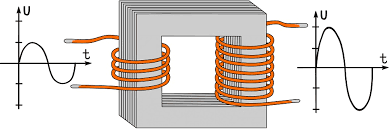
UN step-up transformer increases voltage from the primary side to the secondary side. It is widely used in power generation stations to transmit electricity over long distances.
Key Features:
- High voltage output
- Reduced transmission loss
- Used in power grids
Step-down Transformer
UN step-down transformer reduces voltage to a usable level for homes, offices, and commercial buildings.
Applications:
- Residential power supply
- Industrial equipment
- Electrical appliances
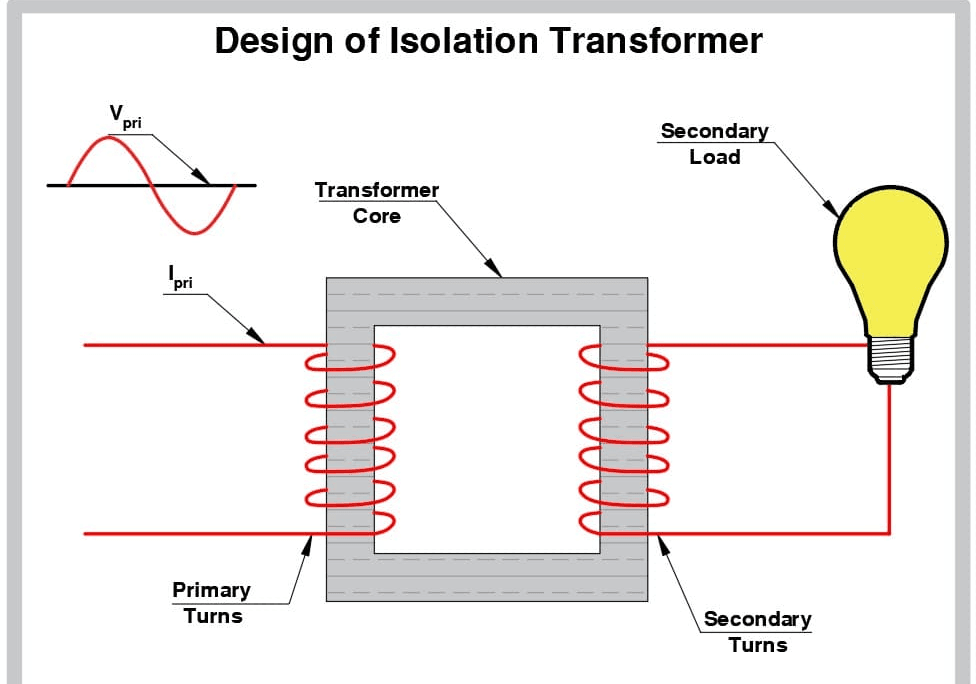
Isolation Transformer
An isolation transformer provides electrical isolation between circuits without changing voltage significantly.
Benefits:
- Improved safety
- Noise reduction
- Protection for sensitive devices
These voltage-based categories form the foundation of most transformer types and uses.
3.Types of Transformers Based on Application
This classification is critical for understanding real-world transformer applications.
Comparison Table
| Transformer Type | Function | Typical Application |
|---|---|---|
| Power Transformer | High voltage transmission | Power plants |
| Transformateur de distribution | Voltage reduction | Residential areas |
| Instrument Transformer | Measurement & protection | Substations |
Power Transformer
UN transformateur de puissance is used in high-voltage transmission systems. It operates at maximum efficiency near full load and is designed for large-scale energy transfer.
Key Characteristics:
- High capacity (above 10 MVA)
- Used in transmission networks
- Low losses at full load
Transformateur de distribution
UN distribution transformer delivers electricity from the distribution system to end users. It operates continuously and is optimized for efficiency at partial load.
Applications:
- Residential buildings
- Commercial areas
- Small industries
👉 You can explore our dry type transformer solutions for indoor applications.
Instrument Transformer
Instrument transformers are used for measurement and protection.
Types:
- Current Transformer (CT)
- Potential Transformer (PT)
They ensure accurate monitoring in electrical systems.
4.Transformer Core Material Types
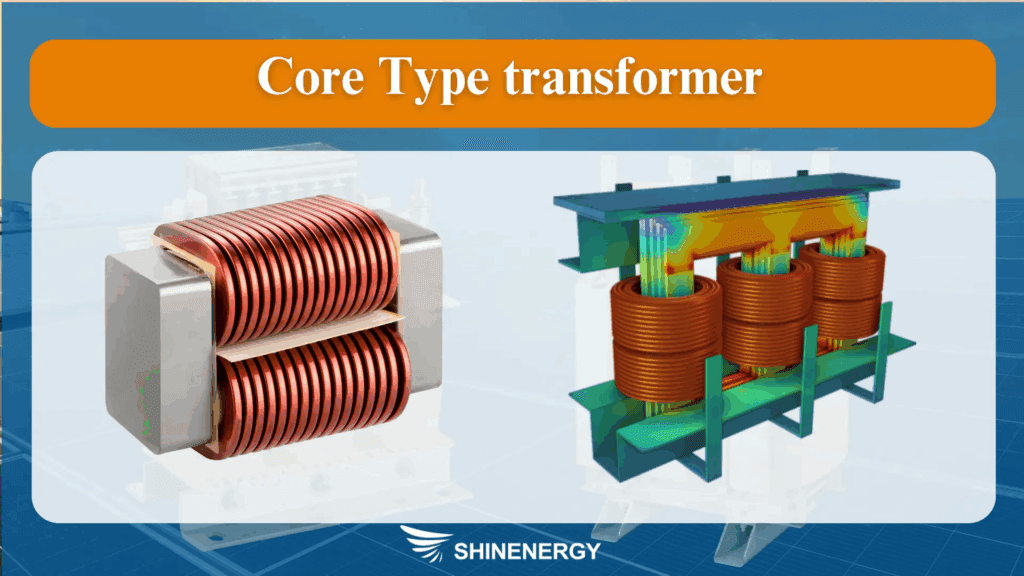
Core material significantly impacts efficiency, size, and frequency response.
Iron Core Transformer
Iron core transformers—you see them everywhere in power systems. Why? Because iron has this high magnetic permeability thing going on. Means it can concentrate magnetic flux pretty well. And that makes the transformer efficient. Or at least more efficient than some other types. So yeah, that’s why people use them. Usually.
Ferrite Core Transformer
Now, ferrite core transformers—they’re a different story. You’ll find these in high-frequency stuff. Like electronic circuits, switching power supplies—that kind of application. Ferrite works better at higher frequencies, something about lower eddy current losses, I think. So when the frequency goes up, you don’t want iron anymore. You want ferrite. Simple as that. Mostly.
Air Core Transformer
Air core transformers—no magnetic core at all. Just air in the middle. Which means no core losses. Zero. Well, technically very close to zero. So if you’re dealing with radio frequency stuff—RF circuits, antennas, that sort of thing—this is what you’d use. Why? Because at high frequencies, cores start causing problems. So you just… skip the core entirely. Works pretty well, actually. Most of the time.
Toroidal Transformer
Toroidal transformers—they’re the ones with that ring-shaped core. You know, like a donut. Looks kind of neat, actually. And because of that shape, they’re pretty compact. Doesn’t take up much space. Plus they’re quiet—low noise, which is nice if you’re putting it in something like audio equipment. Efficiency is good too. High, even. So you get small size, less hum, less wasted power. Pretty solid choice, honestly. Most people seem to think so anyway.
5.Single Phase vs Three Phase Transformer
Single Phase Transformer
UN single phase transformer is used in residential and light commercial applications.
Features:
- Simple design
- Lower cost
- Suitable for small loads
Transformateur triphasé
UN three phase transformer is used in industrial and heavy-duty applications.
Advantages:
- Higher efficiency
- Supports large loads
- Common in factories and power plants
6.Dry Type vs Oil Filled Transformer
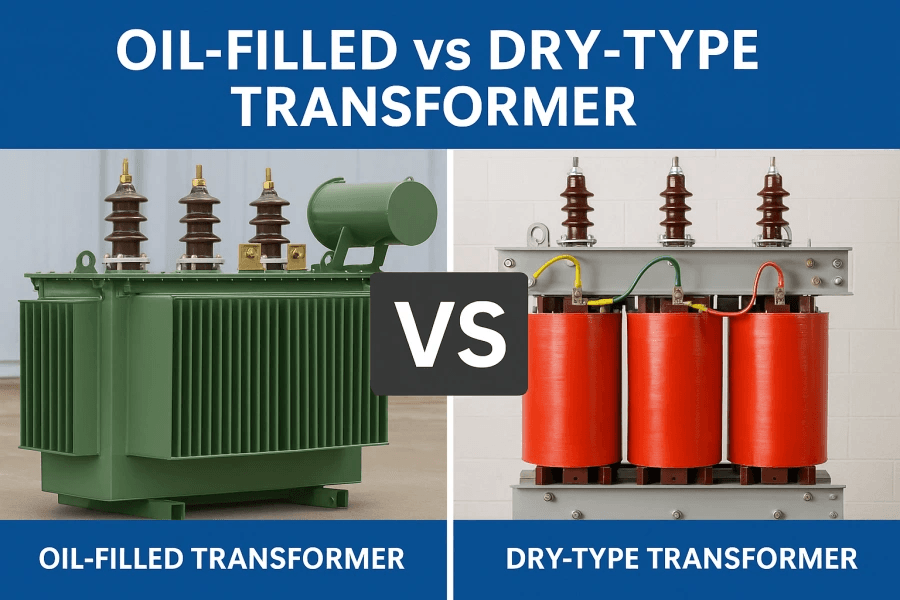
This is one of the most searched comparisons among types of transformers.
Comparison Table
| Fonctionnalité | Dry Type Transformer | Oil Filled Transformer |
|---|---|---|
| Refroidissement | Air | Oil |
| Safety | High | Medium |
| Maintenance | Low | Higher |
| Installation | Indoor | Outdoor |
Dry Type Transformer
UN dry type transformer uses air for cooling and is ideal for indoor environments.
Advantages:
- Fire-resistant
- Low maintenance
- Environmentally friendly
👉Check our dry type transformer product range for commercial projects.
Oil Filled Transformer
An oil immersed transformer uses insulating oil for cooling and insulation.
Advantages:
- Better heat dissipation
- Suitable for high loads
- Longer lifespan
👉Explore oil immersed transformer solutions for industrial use.
7.Other Different Types of Transformers
To fully understand all kinds of transformer, here are additional specialized types.
Auto Transformer
- Single winding design
- Cost-effective
Pulse Transformer
- Used in electronics
- Transmits pulses
Rectifier Transformer
- Used in AC to DC conversion
RF Transformer
- Used in communication systems
Audio Transformer
- Used in sound systems
These specialized options expand the scope of different types of transformers.
8.How to Choose the Right Transformer
Selecting the correct transformer is essential for system performance and safety.
Key Selection Factors
- Voltage level
- Power capacity (kVA)
- Environment (indoor/outdoor)
- Cooling method
Practical Example
- Industrial plant → oil filled transformer
- Commercial building → dry type transformer
Need help choosing the right transformer?
👉 Contact our experts for a customized solution →
9.Transformer Losses and Efficiency
Understanding losses helps improve efficiency.
Types of Losses
Core Loss
Occurs due to magnetic hysteresis and eddy currents.
Copper Loss
Caused by resistance in windings.
Leakage Loss
Due to imperfect magnetic coupling.
Improving Efficiency
- Use high-quality materials
- Proper transformer sizing
- Regular maintenance
10.Applications of Different Types of Transformers
Transformers are used across multiple industries.
Power Systems
- Transmission and distribution
Renewable Energy
- Solar power systems
- Wind energy
Industrial Applications
- Manufacturing plants
- Heavy machinery
Commercial Use
- Buildings
- Hospitals
👉You can refer to international standards such as IEEE and IEC for transformer design guidelines.
11.FAQs About Types of Transformers
What are the main types of transformers?
The main types of transformers include power transformers, distribution transformers, and dry type transformers.
How many different types of transformers are there?
There are many different types of transformers, depending on classification such as voltage, application, and core material.
What are the common kinds of transformer used in industry?
Common kinds of transformer include three-phase transformers and oil filled transformers.
What is the difference between step-up and step-down transformer?
A step-up transformer increases voltage, while a step-down transformer reduces voltage.
What is a dry type transformer used for?
UN dry type transformer is used in indoor environments such as offices, hospitals, and commercial buildings.
Looking for a reliable transformer manufacturer?
Conclusion
Understandingtypes of transformers—it kind of matters. Like, you’ve gotdifferent types of transformersout there. Andvarious kinds of transformer, too. Knowing what’s what helps you pick the right one for whatever project you’re working on.
Each transformer—it’s built for something specific. Maybe high-voltage transmission. Maybe safe indoor distribution. Depends on the job, really.
Pick the right one, and things go smoother. Better efficiency, lower costs, and—hopefully—long-term reliability. At least that’s the idea. Sometimes it works out that way.