
I. Introduction
Shipping an electrical transformer—whether an oil-filled transformer, an oil-immersed unit, or a dry type transformer—requires far more than placing equipment inside a wooden crate. Transformers are heavy, sensitive, high-value electrical assets. Any shock, moisture exposure, vibration, or structural damage during overseas transportation can shorten service life, reduce insulation performance, or even cause complete failure.
As international demand for dry-type transformers, transformer mineral oil units, medium voltage dry type transformers, and oil immersed distribution transformers continues to rise, safe packaging and transport become essential. Whether you are shipping a 100 kVA dry type transformer, a 500 kVA dry type transformer, or a massive 3000 kVA dry type transformer, the principles remain the same: protect the core, safeguard the coil insulation, avoid mechanical stress, and prevent moisture and contamination.
This guide provides a complete, SEO-friendly, and highly practical explanation of how to package and ship both oil-immersed transformers and dry type transformers safely for long-distance international transport.
Throughout this article, you will also find useful insights into transformer insulation, transformer oil, transformer insulating oil, and the structural differences that influence how each type of transformer should be protected during shipment.
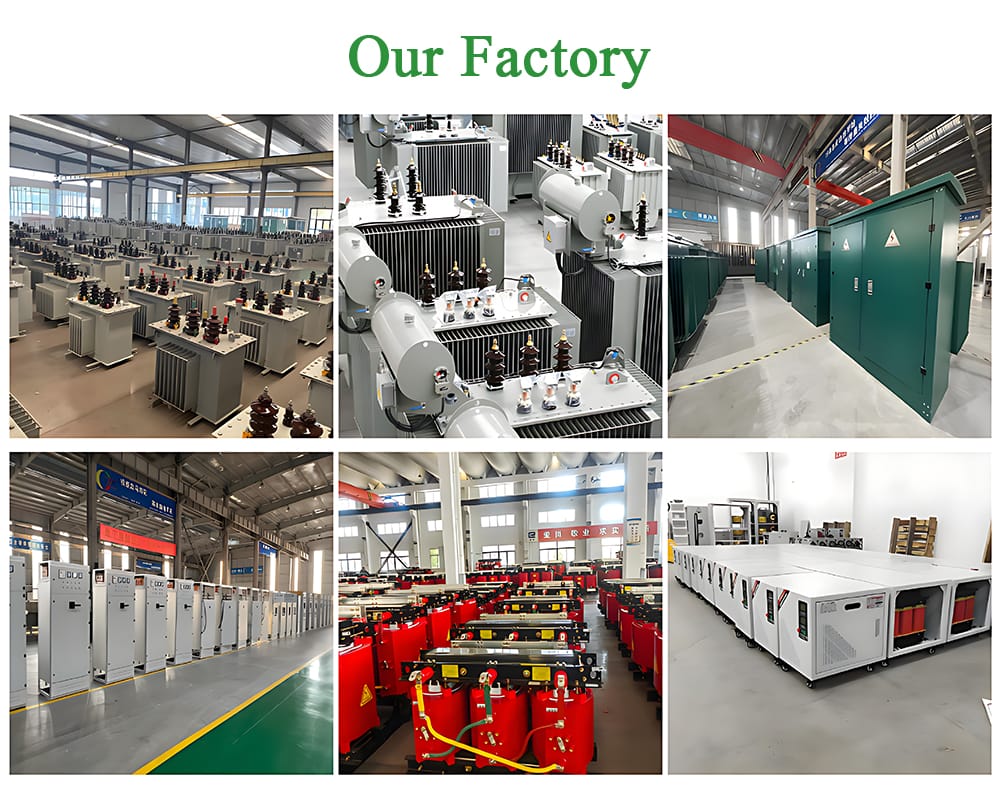
II. Transformer Packaging and Shipping: Understanding Different Transformer Types
Transformers generally fall into two categories for shipping and packaging purposes: oil-immersed transformers and dry-type transformers. Each type has different structural and insulation properties, which means their packaging requirements differ as well.
1. Oil-Immersed Transformers
Oil-immersed transformers are designed with coils fully immersed in transformer oil, sometimes also called transformer insulating oil ou transformer mineral oil. This oil provides three essential functions:
- Electrical insulation
- Refroidissement
- Protection against moisture and oxidation
When exporting oil for transformers filled equipment, special care must be taken, because:
(1) Oil leakage risk
Even a minor impact can damage valves or tank seams, causing leakage of transformer oil. This is one of the most common transport-related issues.
(2) High weight and center of gravity
Most oil transformers are heavier than dry-type units. This increases the risk of tipping, sliding, or pallet failure.
(3) Sensitivity to corrosion
Oil tanks—especially steel tanks—are vulnerable to humidity and salt exposure during ocean shipping.
(4) Structural components
Bushings, radiators, and conservators must be protected, locked, and reinforced.
Because of these characteristics, packaging for oil-immersed transformers must emphasize shock protection, tank sealing, corrosion prevention, and rigid structural reinforcement.
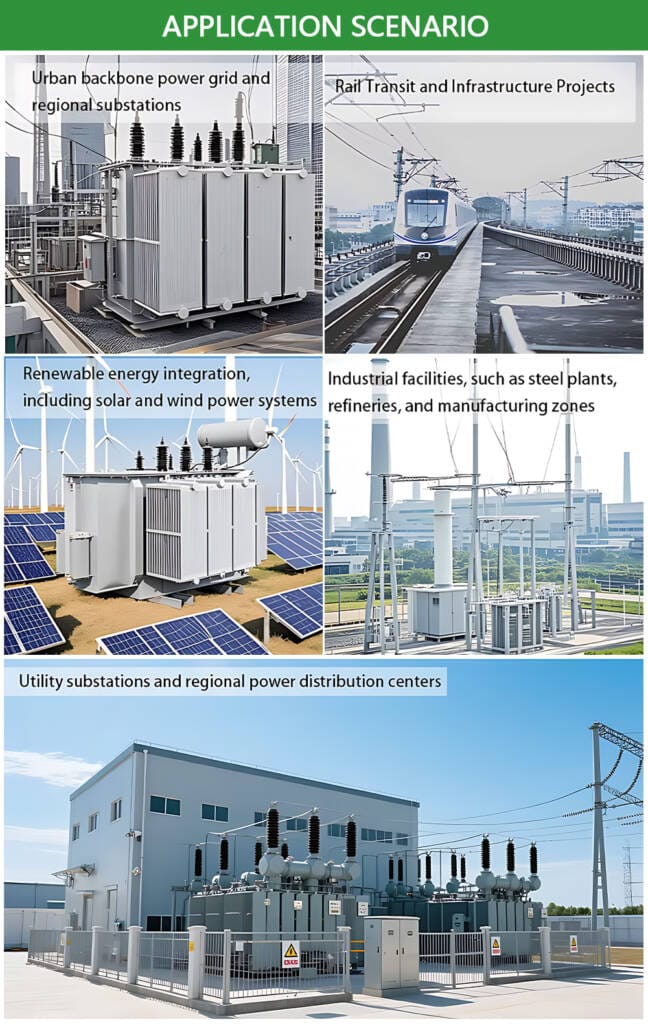
2. Dry-Type Transformers
Dry-type transformers, such as dry type distribution transformers, dry type transformer cast resin units, and medium voltage dry type transformers, do not contain any insulating oil. Instead, they rely on:
- Cast resin insulation
- Air cooling (AN/AF)
- Solid insulation materials
Due to the absence of oil in transformers, their transport risks differ significantly.
(1) Moisture sensitivity
Although resin units are moisture-resistant, long exposure to humid environments may still affect insulation.
(2) Coil and core protection
The resin coil needs to be protected from impact because cracks can reduce insulation performance.
(3) Dust contamination
Dry-type transformers are more susceptible to dust particles during long transit.
(4) Lighter and more adaptable
Compared with oil-filled transformers, most dry transformers—including 100 kVA, 300 kVA, 500 kVA, 1000 kVA, 1500 kVA, and even 2000 kVA dry type transformer units—have relatively lower weight, making them easier to handle and ship.
(5) Large variety of sizes
Dry-type transformer sizes vary widely due to differences in cooling method, resin type, design, and use cases. This is especially true for medium voltage dry type transformer models used in commercial and industrial power systems.
Because dry-type transformers rely on solid insulation, packaging must focus on moisture control, dust-proofing, cushioning, and coil protection.
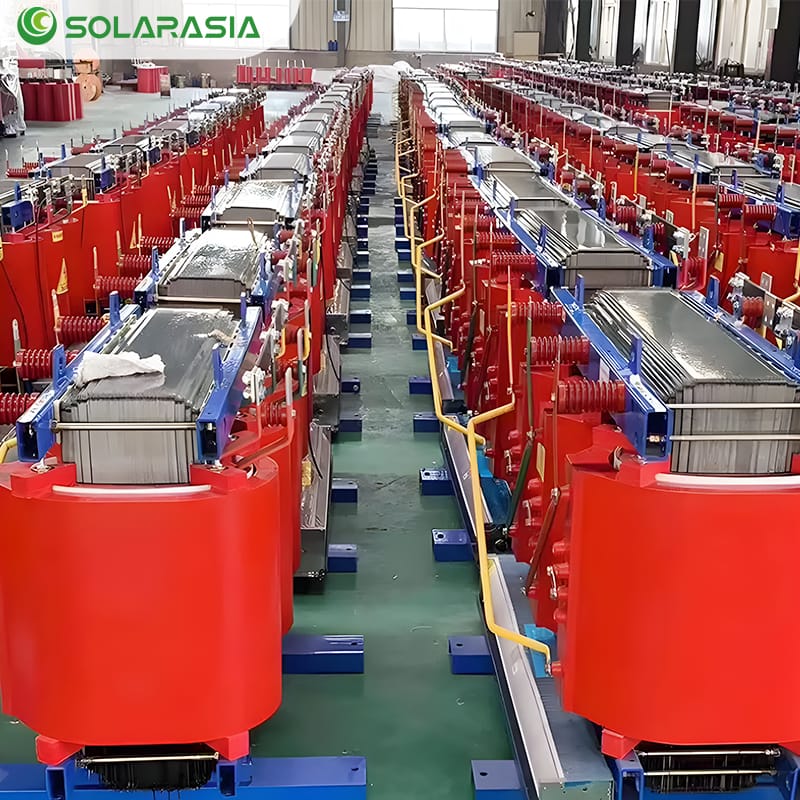
III. Pre-Shipment Transformer Packaging Inspection and Preparation
Before packaging begins, a complete pre-shipment inspection is essential. Whether exporting an oil-filled transformer or a dry-type transformer, the following checklist helps ensure safe transit.
1. Mechanical and Structural Inspection
Inspect the transformer body to confirm:
- No dents, cracks, or deformation
- Radiators are firmly attached
- Bolts and nuts are tightened
- Earthing terminals are secure
- Bushings have no surface cracks
- No rust or corrosion spots
For dry-type units such as dry transformer cast resin models, verify that:
- Resin surfaces are intact
- No mechanical stress marks exist
- Coils are free from scratches or fractures
2. Electrical and Insulation Verification
Confirm insulation integrity. For oil-filled types, check the condition of transformer insulating oil:
- Correct oil level
- No water contamination
- No oxidation
- Oil color within normal range
For dry-type transformers, verify:
- Coil insulation condition
- Winding dryness
- No partial discharge signs
3. Valve, Bushing, and Accessory Protection
Oil-filled transformers must have:
- All valves fully closed and sealed
- Pressure relief devices protected
- Bushings capped and wrapped
- Conservator locked
Dry-type transformers must have:
- Coil edges protected
- Terminal covers installed
- Cooling channels free from debris
4. Locking and Securing Mechanisms
Before packaging:
- Lock the tap changer in the neutral position
- Secure all movable parts
- Fix removable accessories separately
This prevents internal damage during vibration and impacts.
5. Shipping Labels and Documentation
Label the transformer clearly with:
- Transformer type (oil-filled / dry type)
- Capacity (100 kVA, 300 kVA, 500 kVA, 1000 kVA, etc.)
- Weight and center of gravity
- High-voltage and low-voltage marking
- Serial number
- Lifting instructions
- Fragile indicators
Prepare export documents:
- Packing list
- Commercial invoice
- Transformer test report
- Installation manual
- Safety and compliance certificates
- ISPM-15 certificate for wooden packaging
Proper documentation ensures smooth customs clearance and reduces transport delays.
IV. Transformer Packaging Requirements for Oil-Immersed Transformers
Oil-immersed transformers require the most robust packaging due to their weight, oil tank, and sensitivity to impacts.
Below are the essential packaging requirements for oil transformer units.
1. Use Reinforced Pallets or Steel-Frame Bases
Oil-filled transformers often exceed several tons. A reinforced steel base ou heavy-duty wooden skid is required to support the weight.
The base should include:
- Anti-slip wooden pads
- Steel channel reinforcement
- Four-way forklift access
- Weight-bearing certification
This is especially important for large units like:
- 1500 kva oil-immersed transformer
- 2000 kva oil-immersed transformer
- 3000 kva oil transformer
2. Shock-Absorbing Pads and Vibration Blocks
Sea transport causes continuous vibration. High-frequency vibration can affect coils, oil levels, and internal bracing.
Install:
- Rubber shock pads under the base
- Shock-absorbing blocks between transformer and crate
- Foam or EVA cushioning around bushings
3. Tank Protection and Oil Sealing
Since transformer mineral oil is crucial for insulation, leakage must be prevented at all costs.
Steps include:
- Sealing all valves with protective caps
- Installing “oil leakage indicators”
- Covering radiators with protective boards
- Adding a secondary oil-absorbent pad layer
4. Anti-Corrosion and Weather Protection
Oil-immersed transformers must be protected from:
- Moisture
- Condensation
- Salt spray (ocean freight)
- Chemical fumes
Protection methods:
- Anti-rust coating on tank
- Vacuum-sealed plastic wrap
- Waterproof rain cover
- Desiccant bags inside crate
5. Crating and External Protection
For overseas shipping, especially by sea, the transformer must be placed inside a full wooden crate:
- Solid plywood
- IPPC/ISPM-15 certified
- Steel reinforcement rings
- Lashing points integrated into crate
The crate must withstand:
- Container impact
- Forklift collision
- Sea humidity
This protects the transformer and prevents movement during transit.
V. Transformer Packaging Requirements for Dry-Type Transformers
Dry-type transformers—such as cast resin dry type transformers, dry type distribution transformers, and medium voltage dry type transformers—do not require oil protection, but they demand higher levels of moisture control, impact protection, and dust-proof packaging. Whether you’re shipping a 100 kVA dry type transformer, a 300 kVA dry type transformer, or a large 2000–3000 kVA dry type transformer, the packaging principles remain the same: keep the insulation dry, avoid mechanical stress, and protect the resin coils.
1. Full-Sealed Wooden Crates
Although dry-type transformers are lighter than oil-filled units, they are still heavy, with irregular shapes. They require:
- High-strength plywood crates
- ISPM-15 certified wood
- Reinforced wooden beams
- Fully enclosed dust-proof construction
- Steel straps around the exterior
The wooden crate must withstand:
- Container stacking pressure
- Long-distance vibration
- High-humidity marine environments
2. Moisture-Proof Packaging (Critical for Resin Coils)
Dry-type transformers lack the natural moisture protection of oil in transformers, so moisture-proofing is essential.
Common moisture-protection methods include:
- Vacuum-sealed aluminum foil
- Large desiccant bags inside the crate
- Double-layer PE film wrapping
- Humidity indicator cards
- Anti-moisture insulated base plates
3. Internal Cushioning to Protect Resin Coils
Cast resin coils are strong but can crack under impact. Any damage to the insulation system may reduce performance.
Required cushioning includes:
- EVA shock-absorbing blocks
- High-density foam boards
- Anti-vibration rubber pads
- Custom wooden support frames
4. Coil, Terminal, and Core Protection
Additional protection must be applied to:
- LV/HV terminals
- Coil edges
- Iron core corners
- Temperature sensors
- Cooling channels
All these areas must be covered with protective shields or foam padding.
5. Table: Typical Dry-Type Transformer Sizes
Dry-Type Transformer Capacity & Typical Size Reference Table
| Transformer Capacity | Typical Dimensions (mm) | Approx. Weight (kg) | Common Application |
|---|---|---|---|
| 100 kVA dry type transformer | 900 × 700 × 1100 | 350–420 | Small commercial loads |
| 300 kVA dry type transformer | 1100 × 850 × 1400 | 650–900 | Industrial workshops |
| 500 kVA dry type transformer | 1300 × 980 × 1550 | 1000–1500 | Manufacturing plants |
| 1000 kVA dry type transformer | 1500 × 1200 × 1750 | 1800–2400 | Large commercial buildings |
| 1500 kVA dry type transformer | 1700 × 1350 × 1900 | 2600–3300 | Data centers, hospitals |
| 2000 kVA dry type transformer | 1900 × 1500 × 2100 | 3500–4300 | Large industrial systems |
| 3000 kVA dry type transformer | 2300 × 1800 × 2400 | 5000–6500 | Power plants, substations |
This table improves readability and increases search engine topical relevance for terms like dry type transformer sizes, 500 kVA dry type transformer, and 3000 kVA dry type transformer.
VI. Loading and Securing Transformers for International Transport
Whether shipping an oil-filled transformer or a dry-type transformer, both are classified as heavy cargo, requiring strict loading standards. A single mistake can cause tipping, structural damage, or transport accidents.
1. Container Shipping
Container transport is the most common method. It’s suitable for:
- 100–2000 kVA dry type transformers
- Small to medium oil-immersed transformers
- Custom distribution transformers
A. Choosing the Correct Container
| Container Type | Suitable Transformers | Notes |
|---|---|---|
| 20GP | ≤ 1000 kVA dry type / ≤ 800 kVA oil-filled | Cost-effective option |
| 40GP | 1000–2000 kVA dry type / 800–1600 kVA oil-immersed | Best for long or heavy units |
| 40HQ | Large dry-type transformers | Extra interior height |
| Flat Rack | Oversized oil-immersed units | Requires heavy lashing |
| Open Top | Lifting from the top | Over-height loads need permits |
B. Internal Lashing and Fixation
Transformers must be fixed from multiple directions using:
- 6–10 heavy-duty ratchet straps
- Wooden anti-slip blocks
- Steel anchor points
- Diagonal stabilizing lashings
- Reinforced wooden beams
Large units (1500–3000 kVA) require double-direction bracing to prevent tipping.
2. Breakbulk Sea Freight
This method is typically used for:
- 2000+ kVA oil-immersed transformers
- Oversized dry-type transformers
- Project-based equipment
Breakbulk characteristics include:
- Crane lifting on/off vessels
- Transformers placed on deck or hold
- Heavy-duty steel chain lashing
- Large-scale wooden crating
A. Lifting Requirements
Follow strict lifting rules:
- Use transformer lifting lugs
- Never lift by radiators
- Use spreader beams
- Ensure lifting belts avoid contact with coils
3. Air Freight (For Emergency Projects)
Air freight applies only to small dry-type transformers, such as:
- 100 kVA
- 150 kVA
- 300 kVA
Limitations:
- Aircraft weight limits
- High shock-resistance requirements
- Much more expensive than sea transport
This method is used for critical applications such as hospitals or data centers.
VII. Environmental and Safety Protection During Transit
Transformers face multiple environmental risks during international transportation, including:
- High humidity
- Salt fog corrosion
- Extreme temperatures
- Long-distance vibration
- Sudden impact or tilting
Both oil-filled and dry-type transformers must be protected accordingly.
1. Waterproofing and Moisture Control
Oil-Filled Transformers
- Anti-corrosion coatings
- Full-coverage waterproof plastic wrap
- Exposure protection during sea loading
Dry-Type Transformers
- Vacuum-sealed aluminum foil
- Large desiccant bags
- Fully enclosed wooden crate
2. Anti-Salt-Fog Protection
Especially necessary for shipments to:
- Island nations
- Southeast Asia
- Middle East coastal regions
- South America ports
Protection measures:
- VCI anti-rust film wrapping
- Anti-corrosion oil coatings
- Hot-dip galvanized steel parts
3. Shock and Tilt Monitoring
High-value cargo should include devices such as:
- Tilt indicators
- Shock recorders
- Impact monitoring labels
If excessive shock occurs, customers can refuse the shipment, reducing after-sales disputes.
4. Real-Time GPS Tracking
Many exporters now install GPS trackers on large transformers for:
- Real-time location monitoring
- Temperature and humidity data
- Route tracking
- Improved transparency
This is especially useful for medium voltage dry type transformers and project-based shipments.
VIII. Compliance, Certifications, and Export Documentation
Shipping oil-immersed transformers and dry-type transformers internationally requires strict compliance with global standards. Proper documentation ensures customs clearance, insurance activation, and protection against liability. Below is a detailed breakdown of the certifications, export papers, and packaging rules you must follow.
1. Export Documents Required for Transformer Shipment
Whether you are shipping a dry transformer, a dry-type distribution transformer, or an oil-filled transformer, the following documents are generally mandatory:
- Commercial Invoice
Includes transformer model, rated capacity (e.g., 300 kVA dry type transformer, 2000 kVA dry type transformer), HS code, and transaction terms. - Packing List
Must list transformer oil accessories, wooden crate dimensions, weight, and oil tank components. - Bill of Lading / Air Waybill
Depending on shipping method, this serves as proof of cargo ownership. - Certificate of Origin
Required by many import countries for tariff determination. - Insurance Certificate
Essential for oil-filled units where transformer insulating oil leakage could cause loss.
2. Compliance Standards for Transformer Packaging
International transport requires adherence to packaging regulations, especially when shipping wooden crates or heavy electrical equipment.
• ISPM-15 Standard for Wood Packaging
Dry-type transformers and oil transformer crates must:
- Be fumigated
- Bear an IPPC stamp
- Use treated wood only
This ensures compliance with global phytosanitary regulations.
• IEC / IEEE Transformer Standards
- IEC 60076 (Power & distribution transformers)
- IEEE C57 (Dry-type transformer standards)
These govern insulation levels, temperature rise, and construction of medium voltage dry type transformers and oil-filled units.
3. Marine Cargo Insurance and Transformer Coverage
A transformer with mineral oil, insulating oil, or cast resin insulation must be insured under:
- All-Risk Marine Insurance
- Coverage for oil leakage
- Coverage for moisture or coil damage for dry-type transformers
This prevents financial loss during long-distance sea transport.
Table: Required Documentation for Transformer Export
| Document Type | Oil-Immersed Transformer | Transformateur de type sec | Notes |
|---|---|---|---|
| Commercial Invoice | ✔ | ✔ | Include kVA size (100 kVA, 500 kVA, 3000 kVA) |
| Packing List | ✔ | ✔ | Add crate dimensions, weight |
| MSDS for Transformer Oil | ✔ | ✘ | Only required for mineral oil shipments |
| ISPM-15 Certification | ✔ | ✔ | Mandatory for wooden crates |
| IEC/IEEE Compliance Data | ✔ | ✔ | Ensure specs match destination rules |
| Insurance Certificate | ✔ | ✔ | Prevent risk during transit |
IX. Common Transformer Packaging Mistakes to Avoid During Shipping
Shipping a transformer internationally is a high-risk process. Over the years, manufacturers and logistics providers have identified recurrent mistakes that lead to damage, insurance disputes, or delivery delays. Below are the most frequent errors — and how to avoid them.
1. Inadequate Moisture Protection
Dry-type transformers are highly vulnerable to humidity.
Common issues:
- Coil insulation absorbing moisture
- Cast resin cracking
- Rust forming on terminals
Always use:
- Vacuum-sealed aluminum foil
- Moisture-proof desiccant packs
- Weatherproof wrapping
Especially for dry type transformer cast resin and dry type transformer insulation.
2. Weak Pallets or Insufficient Base Support
Oil-immersed transformers are extremely heavy. A weak pallet can collapse, causing:
- Oil spillage
- Tank deformation
- Core misalignment
Use reinforced steel-base pallets or welded support frames.
3. Improper Lifting Methods
Lifting transformers incorrectly is one of the top causes of damage.
Avoid:
- Lifting by bushings
- Using hooks on radiator fins
- Uneven hoisting
Always use designated lifting lugs, eye bolts, or forklift pockets.
4. No Shock, Tilt, or Impact Monitoring Devices
You should always attach:
- Shock Indicators
- Tilt Sensors
- GPS Trackers
These protect both oil for transformers and dry transformers by providing evidence if mishandling occurs.
5. Not Draining or Securing Transformer Oil
For certain export regulations, transformer mineral oil must be:
- Drained
ou - Secured with locked valves and seals
Neglecting this step can cause customs rejection or fines.
X. Best Practices for Safe and Efficient International Transformer Shipping
If you want to ship a 1000 kVA dry type transformer, a 500 kVA dry type transformer, or a large oil-filled transformer, the following best practices will ensure maximum safety and efficiency.
1. Use Professional Export-Grade Packaging
Choose packaging that matches transformer type:
- Oil-filled transformer: Heavy-duty steel-frame + moisture-proof wrap
- Dry-type transformer: Fully sealed wooden crate + vacuum protection
Ensure all crates meet ISPM-15 standards.
2. Perform Pre-Shipment Testing
Before packing:
- Conduct a routine insulation test
- Check transformer oil (moisture content, dielectric strength)
- Inspect bushings and terminals
- Verify the nameplate
This reduces the chance of warranty claims and transport disputes.
3. Work With a Certified Dry Type Transformer Supplier
Reliable suppliers follow strict production and packaging standards.
Good suppliers should provide:
- IEC/IEEE compliance
- Strict insulation testing
- Accurate kVA ratings (100 kVA, 300 kVA, 1500 kVA, 3000 kVA…)
- Technical drawings and shipping advice
They should also help you choose between different dry type transformer types based on your application.
4. Optimize Container Loading for Safety
When loading into containers:
- Place weight centered and low
- Use industrial-grade lashing
- Add anti-slip mats beneath the base
- Leave 20–30 cm ventilation clearance
This prevents damage during sea movement.
5. Add Instruction Manuals Inside the Crate
Include:
- Installation manual
- Maintenance guide
- Oil filling procedure
- Spare part list
This helps the end user quickly install the medium voltage dry type transformer or oil-immersed unit.
Table: Best Practices for Each Transformer Type
| Transformer Type | Key Protection | Recommended Packaging | Typical Sizes |
|---|---|---|---|
| Oil-Filled Transformer | Oil leakage, corrosion | Steel-frame base + sealed wrapping | 500–5000 kVA |
| Transformateur de type sec | Moisture, dust, impact | Full wooden crate + vacuum foil | 100–3000 kVA |
| Cast Resin Dry Transformer | Coil cracking | Shock absorption + humidity control | 300–2000 kVA |
XI. Conclusion
A safe shipment depends on:
- Choosing the correct packaging
- Protecting transformer insulating oil and dry-type insulation
- Using shock monitoring
- Following IEC/IEEE standards
- Working with professional transformer manufacturers and suppliers
Whether you are transporting a 100 kVA dry type transformer or a 3000 kVA dry type transformer, proper preparation ensures that your equipment arrives safely, performs reliably, and maintains its long-term operational value.


1 Comment