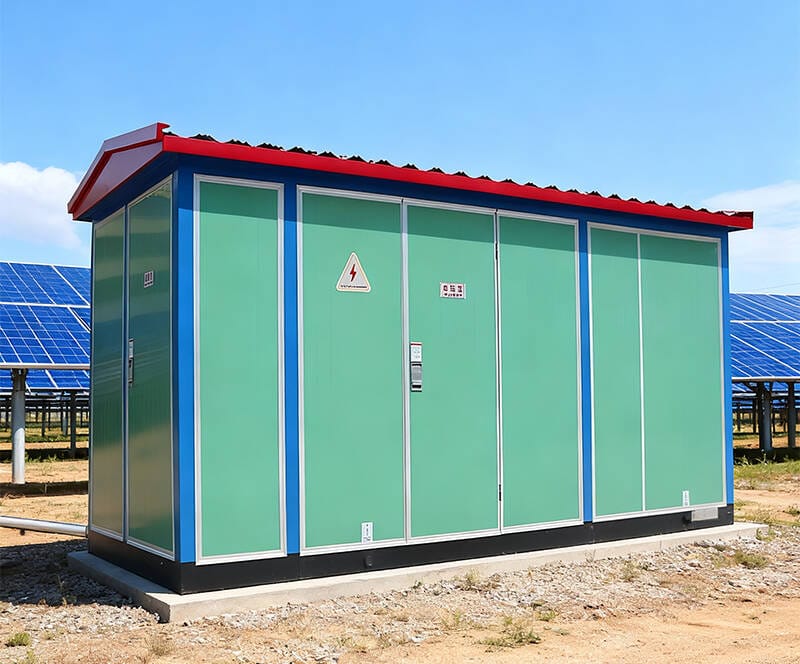
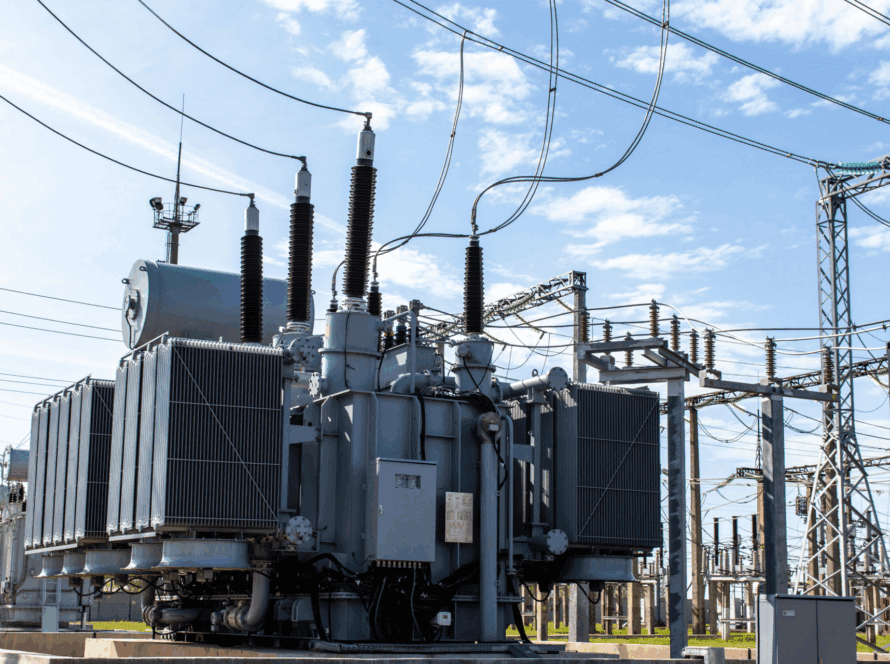
A grounding transformer is a special type of transformer. It is built for three-phase power systems. Its main job is to provide a neutral point. It also creates a safe, reliable path for grounding. You will often see them installed in delta-connected systems. These setups do not have a natural neutral point. According to the IEEE power engineering standards, proper grounding is essential for maintaining system stability and protection. By adding an artificial neutral, these transformers help keep system voltage steady. They make fault currents easier to detect. They boost the overall protection of the whole power system.
Right now, grounding transformers are common across substations. They are also common in industrial power setups. They are used in renewable energy facilities too. Examples include solar and wind farms. Your role could be an engineer, a project manager, or a buyer sourcing electrical equipment. If so, understanding how these transformers work is key. It helps make sure your power distribution stays safe. It also helps keep it consistent for the long run.
Looking to select the right grounding transformer for your project?
Explore Our Transformer Solutions →
Table of Contents
- What Is a Grounding Transformer
- Why Grounding Transformer Matters for Power Systems
- Core Purposes of a Grounding Transformer
- How Grounding Transformers Actually Work
- Common Types of Grounding Transformers
- A Closer Look at Zig-Zag Grounding Transformers
- Grounding Transformer vs. Neutral Grounding Resistor: What’s the Difference?
- Real-World Applications of Grounding Transformers
- Key Benefits of Using Grounding Transformers
- Conclusion
- Frequently Asked Questions
1.What Is a Grounding Transformer
A grounding transformer is a unit built specifically to add a neutral grounding point to a three-phase power system. As we mentioned earlier, they’re mostly used in setups where the main transformer connection doesn’t have a built-in neutral — think delta-connected systems, which are pretty common in industrial and medium-voltage distribution networks.
In these scenarios, the grounding transformer creates an artificial neutral that you can connect directly to earth. This lets the system handle ground faults safely. It also keeps operations stable even when something goes wrong.
Regular power transformers move electrical energy between circuits based on the principles explained in this transformer working principle guide.
Grounding transformers are different. They exist mainly to provide protection and keep your system stable.
They help keep operations consistent in a few key ways:
- They give system voltage a clear reference point to avoid unpredictable shifts
- They make ground faults easy for your protection systems to detect
- In some setups, they even let you run single-phase loads off the three-phase network
You’ll usually find grounding transformers installed at substations or distribution points in medium-voltage power systems.
2.Why Grounding Transformer Matters for Power Systems
Grounding is essential for a safe electrical system. It helps you quickly find and fix faults. It also keeps voltage levels stable.
Skip proper grounding, and you run into all kinds of serious issues. Voltage instability is one of the most common: without an earth reference point, phase voltages can shift out of nowhere when you switch equipment or when a fault happens. That can lead to overvoltage that wears down equipment insulation way faster than normal.
Fault detection is another big risk. Protective relays need a grounding path to work. So do circuit breakers. They only activate when fault current flows. If a system is not grounded properly, the fault current may be too small. Protective devices may not detect it. Dangerous conditions can then continue without anyone knowing.
Bad grounding also makes equipment damage way more likely. Abnormal voltage levels can damage transformers and cables. Other components can also fail. Ungrounded systems can create transient overvoltages. These can destroy sensitive electronics.
A safe connection to earth gives you a stable voltage reference. It also lets fault currents flow in a controlled way. This makes the system more predictable. That makes your protection systems work better, cuts down on equipment damage, and makes your whole electrical network way more reliable.
Need a reliable grounding transformer for your power system?
As a professional transformer supplier, we provide customized grounding transformers designed for medium-voltage distribution networks, industrial facilities, and renewable energy projects. Our engineering team can help you select the right grounding solution based on your system voltage, fault current requirements, and installation environment.
Explore Our Transformer Solutions →
3.Core Purposes of a Grounding Transformer
Grounding transformers pull double (triple, even) duty in power systems. They’re built to create a neutral grounding point, and give fault currents a safe path to flow through — all of which keeps your system stable and protects you from electrical fault risks. In many industrial distribution networks, this solution is commonly implemented together with medium voltage transformers used in power distribution systems.
Create an Artificial Neutral Point
Lots of three-phase systems, especially delta-connected ones, don’t come with a natural neutral point. A grounding transformer fixes this by connecting its windings to the three system phases to create that artificial neutral. You can then ground this neutral, giving all your system voltages a stable reference point.
Provide a Path for Ground Fault Current
When a ground fault hits, the current needs a clear path back to the source. The grounding transformer provides that exact path: fault current flows through its windings, which triggers protective devices like relays and circuit breakers. That means you can spot and clear faults fast, before they cause bigger issues.
Stabilize System Voltage
Grounding transformers hold the neutral point close to ground potential, which keeps phase voltages balanced. That lowers the risk of overvoltage events that are common in ungrounded systems when a fault occurs.
Support Phase-to-Neutral Loads
In some setups, the artificial neutral from a grounding transformer lets you connect phase-to-neutral loads directly. That means you can power single-phase devices right from your three-phase distribution network, no extra equipment needed.
Improve System Protection
By making proper grounding and fault current flow possible, grounding transformers make your whole protection system way more effective. You get faster fault detection, and the whole electrical network gets a safety boost.
4.How Grounding Transformers Actually Work
How a grounding transformer operates ties directly to how zero-sequence currents act in a three-phase power system. Under normal, day-to-day operation, the currents in all three phases are balanced. Because of that balance, barely any current flows through the grounding transformer at all.
When everything is running normally, the vector sum of the three phase currents is basically zero. The only current the transformer carries is a small magnetizing current to keep the magnetic field in its core going. So under standard conditions, the transformer barely has any impact on how your system runs.
That changes fast when a ground fault happens. A ground fault occurs when one phase conductor touches the earth or any grounded equipment. That throws the whole system out of balance, and generates zero-sequence current.
Le grounding transformer gives this zero-sequence current a return path. The fault current runs through the transformer windings, and back to the power source via the grounding connection. Once that current hits a set threshold, your protection relays pick up the fault, and trigger circuit breakers to cut off the faulty part of the system.
Since grounding transformers only carry large currents when there’s a fault, they’re designed to handle high short-duration currents, not constant load currents like regular power transformers. This design lets them do their protective job well, without needing the huge capacity of a standard power transformer.
5.Common Types of Grounding Transformers
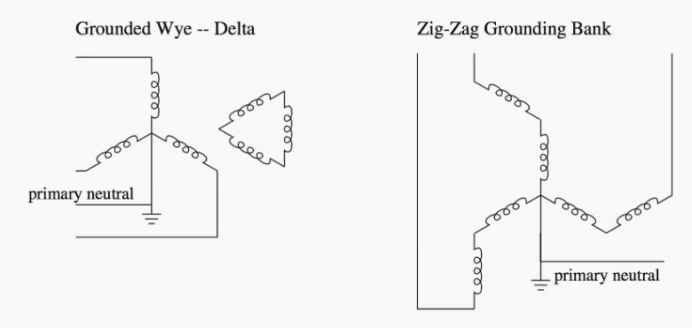
There are a few different grounding transformer configurations. Two designs are used most often in power systems. One is the zig-zag grounding transformer. The other is the wye-delta grounding transformer.
Both can create a neutral grounding point. But they have different structures. They have different operating traits. They also have different common use cases.
Which one you pick depends on your system’s needs. It depends on how much space you have. It depends on what grounding method you plan to use. Most of the time, engineers go for simple designs. They want reliable grounding performance. They also want cost-effective installation and maintenance. Detailed transformer connection configurations are also described in the U.S. Department of Energy power engineering resources.
6.A Closer Look at Zig-Zag Grounding Transformers
Le zig-zag grounding transformer is the most widely used option for electrical power systems. It gets its name from its unique winding setup: the windings are connected in a zig-zag pattern across all three phases.
In a zig-zag transformer, each phase’s winding is split into two equal sections. These sections are connected to different phases, running in opposite directions. This setup lets the transformer create a neutral point, while canceling out normal phase currents at the same time.
Under balanced conditions, the currents in the winding sections cancel each other out, so barely any current flows through the transformer. But when a ground fault hits, zero-sequence current flows through the windings, and back to the source via the neutral grounding connection.
One huge plus of the zig-zag design is that it doesn’t need a secondary winding. That makes construction simpler, and cuts down on the transformer’s size and cost. Zig-zag grounding transformers are also compact, and super efficient at providing a grounding path for fault currents.
Because of these benefits, you’ll see them used all over industrial power systems, substations, and distribution networks where reliable grounding is a must.
7.Grounding Transformer vs. Neutral Grounding Resistor: What’s the Difference?
Grounding transformers are often used alongside neutral grounding resistors (NGRs), but these two devices do very different jobs in your power system.
UN grounding transformer creates the neutral point in systems that don’t have one naturally. Without that neutral, there’s no way to ground your system in a controlled, predictable way.
A neutral grounding resistor, by contrast, limits how large the ground fault current can get. By adding resistance to the grounding path, the NGR brings the fault current down to a level that’s safe for your equipment, and easier for your protection systems to handle.
Most installations use both devices together: the grounding transformer provides the neutral connection, and the resistor limits how much fault current flows through that neutral.
This combination lets you design a grounding system that gives you reliable fault detection, while stopping excessive fault currents from damaging your equipment.
8.Real-World Applications of Grounding Transformers
Grounding transformers show up in all kinds of electrical power systems where proper grounding is required.
Electrical Substations
Substations use grounding transformers all the time to add neutral grounding for medium-voltage distribution networks. These setups help keep system voltage stable, and make fault detection reliable.
Industrial Power Systems
Large industrial facilities often use delta-connected distribution systems for their internal power networks. Grounding transformers let these systems keep safe grounding conditions, and boost overall system protection.
Renewable Energy Power Plants
Solar farms and wind farms often need grounding transformers to keep their grid connections stable. Proper grounding makes sure faults can be spotted and cleared fast, minimizing downtime for the facility.
Utility Distribution Networks
Utility companies install grounding transformers in distribution systems where the network setup doesn’t have a natural neutral point, to keep grounding consistent across the grid.
All in all, grounding transformers are a non-negotiable part of modern electrical infrastructure.
Looking for grounding transformers for your project?
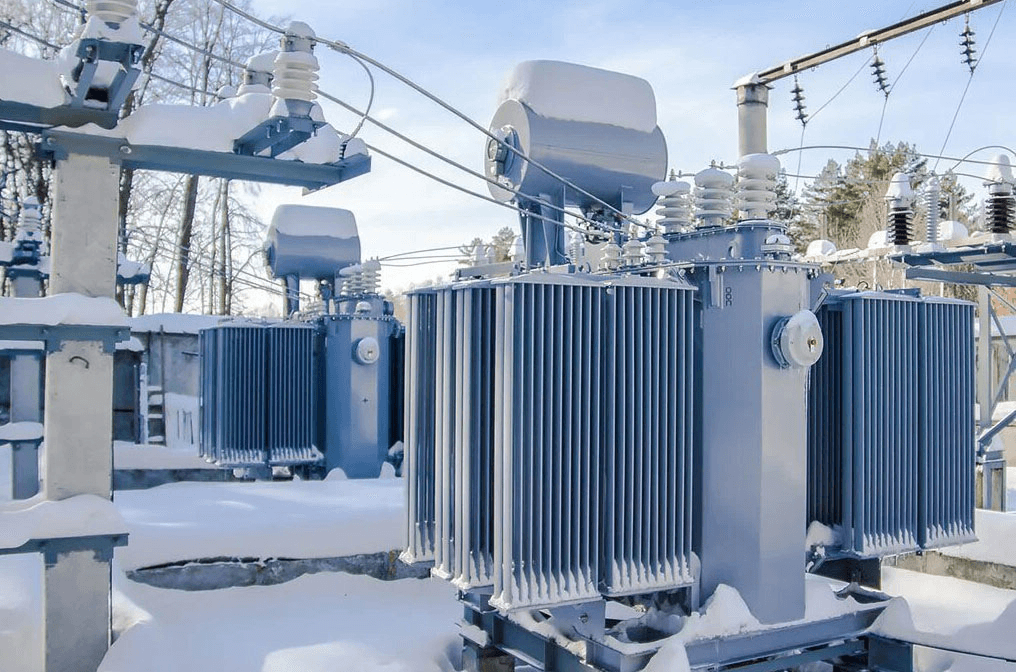
We manufacture and supply high-quality transformers for power distribution systems, including grounding transformers, oil-immersed transformers, and custom medium-voltage solutions. If you are sourcing transformers for substations, industrial plants, or renewable energy facilities, our team can provide technical support and competitive pricing.
Explore Our Transformer Solutions →
9.Key Benefits of Using Grounding Transformers
Grounding transformers bring a ton of important perks to electrical power systems.
First, they make your system protection way better by letting you detect ground faults properly. Your protective devices only work when fault current can flow, and grounding transformers make that possible.
Second, they stabilize system voltage by keeping a clear reference point between your electrical system and the earth. That lowers the risk of dangerous overvoltage events that can damage equipment and cause outages.
Third, they help you avoid equipment damage. They spot faults fast. This limits how long your system runs under abnormal, stressful conditions.
They also make your whole power system more reliable, by giving you a controlled, predictable grounding path that works consistently.
Engineers and system designers use grounding transformers everywhere in modern electrical distribution systems and industrial power networks thanks to all these benefits.
10.Conclusion
Grounding transformers are a critical piece of keeping electrical power systems running safely and reliably, especially in medium-voltage distribution networks that rely on reliable industrial power transformers and grounding solutions. By creating an artificial neutral point and giving ground fault currents a clear path, they keep voltage levels steady, and let you protect your system from electrical faults effectively.
You’ll find these transformers in substations, industrial facilities, renewable energy plants, and utility distribution networks all over the world. Their ability to stabilize electrical systems and boost protection makes them an essential part of modern power infrastructure.
As power systems keep growing and changing, good grounding design will stay one of the most important parts of keeping electrical operations reliable and safe.
11.Frequently Asked Questions
What is a grounding transformer used for?
It creates a neutral point in three-phase electrical systems, and provides a clear path for ground fault currents to flow through.
What is a zig-zag grounding transformer?
It’s a grounding transformer that uses a special winding configuration to create a neutral grounding point, no secondary winding required.
Why are grounding transformers used in delta systems?
Delta-connected systems don’t have a natural neutral point. Grounding transformers add an artificial neutral, so you can ground the system safely.
Where are grounding transformers installed?
They’re most often placed in substations, industrial facilities, renewable energy plants, and electrical distribution networks.
What is the difference between grounding transformer and NGR?
A grounding transformer creates the neutral point you use for grounding, while a neutral grounding resistor limits how large the fault current can get through that neutral path.