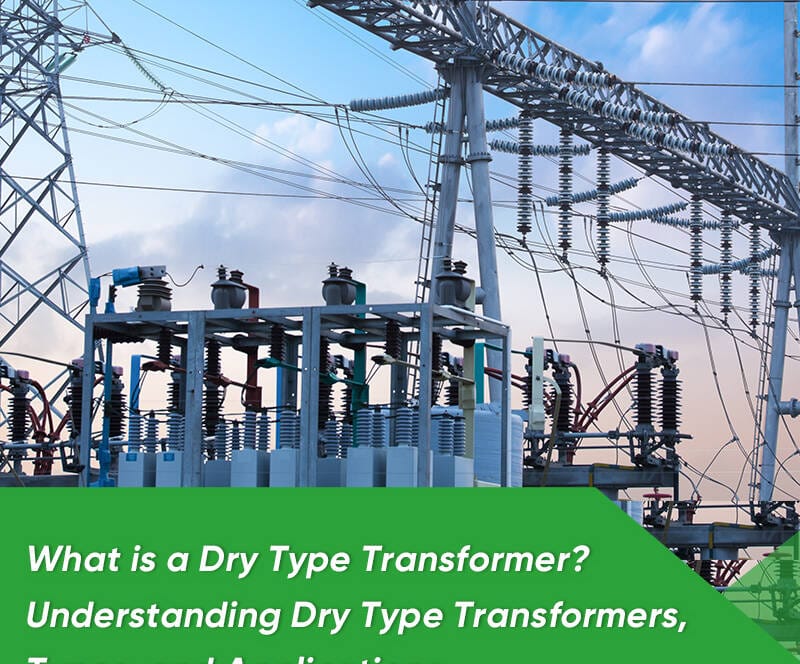
1.Introduction: What Is a Box-Type Substation Transformer and Why It Matters Today
UN box-type substation transformer — interchangeably called a compact substation, prefabricated substation, or packaged substation — is a factory-assembled unit that contains the transformer, high-voltage (HV) switchgear, low-voltage (LV) distribution panels, protection and metering equipment inside a single weatherproof enclosure. Compared with traditional brick-and-mortar substations, box-type solutions dramatically reduce site work, commissioning time, and visual impact while improving safety and modularity.
Typical deployment scenarios include: urban distribution networks, residential communities, commercial complexes, industrial parks, telecommunications sites, renewable energy plants (PV/wind), and temporary construction power. For renewable projects especially, a compact substation provides a turnkey interface between generation (inverters, turbines) and the utility grid.
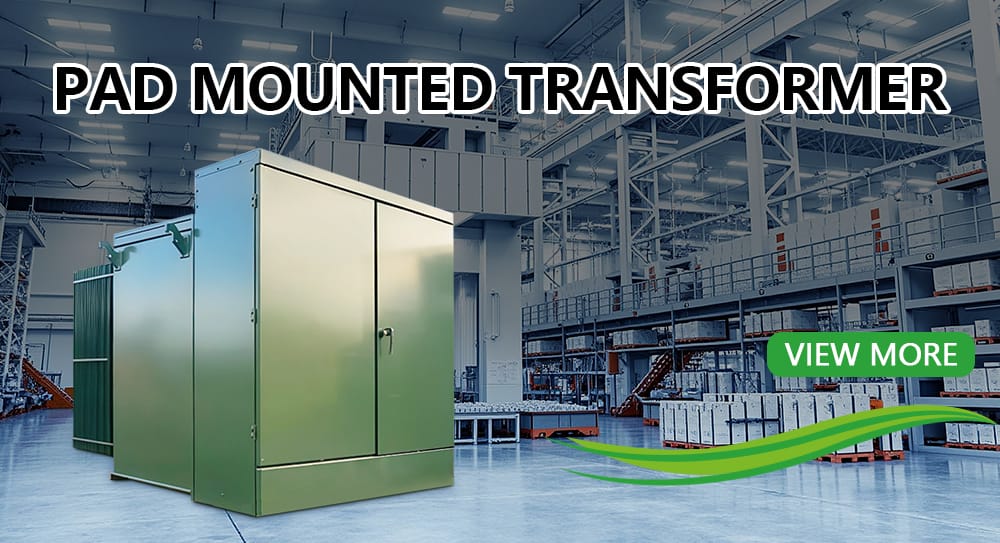
Table of Contents
- Introduction: What Is a Box-Type Transformer Substation and Why It Matters Today
- Core Structure and Key Components: Technical Breakdown
- Box-Type Switchgear Inside the Substation: HV and LV Configurations
- American-Style Box-Type Transformers (Pad-Mounted Box Substations) – Definition and Typical Design
- European-Style Box-Type Transformers (Modular/Compartmentalized Box Substations) – Definition and Typical Design
- European Prefabricated Outdoor Transformer Box Substation: Design and Rationale
- Side-By-Side Technical Comparison: American vs European Box-Type Substations
- Box-Type Transformer Substation Market Trends and Typical Applications
- How to Choose the Right Box-Type Substation Transformer – Decision Checklist and Procurement Guidance
- Box-Type Substation Factory Readiness and Customization Options
- Practical Examples and Case Studies (Short)
- Maintenance, Lifecycle, and Environmental Considerations for Box-Type Substations
- Conclusion: How to Apply These Insights to Your Box-Type Substation Project
2.Core structure & key components — technical breakdown
A standard box-type substation transformer typically comprises three functional zones (design may vary by vendor and standards):
- High-Voltage (HV) Compartment
- Contains incoming HV switchgear: load break switches, vacuum circuit breakers or SF₆/solid-insulated modules (in IEC designs), lightning arresters, surge protection devices, and HV bushings.
- Purpose: switch, isolate, and protect incoming feeders; provide fault interruption and overvoltage protection.
- Transformer Compartment
- Houses the main distribution transformer: either oil-immersed (ONAN, ONAF cooling) or dry-type (vacuum cast resin, epoxy encapsulated).
- Includes temperature sensors, conservator/tank fittings (for oil types), pressure relief devices, and secondary bushings.
- Purpose: step down medium voltage (MV, e.g., 11/12/15/20/33 kV) to low voltage (LV, e.g., 400/480 V) for final distribution.
- Low-Voltage (LV) Compartment
- Contains LV switchgear: MCCBs, air circuit breakers, distribution busbars, metering transformers (CTs/VTs), protective relays, and outgoing feeder terminals.
- Purpose: distribute power to customer circuits, provide LV protection, metering and control.
Enclosure & Mechanical Features
- Materials: galvanized steel, aluminum-zinc alloy (e.g., Aluzinc), stainless steel for corrosive environments. Powder coating and anti-vandal fastenings for public spaces.
- Mounting: pad-mounted (concrete plinth) or skid/rail for easy transport. Lifting lugs, cable entry glands, drainage, and anti-condensation vents included.
- Thermal design: ventilation louvers, forced ventilation fans, or heat-dissipating fins depending on internal heat load and ambient temperature.
Control & Monitoring
- Modern units can include SCADA interfaces, temperature and oil level sensors, alarm contacts, and remote monitoring — important for PV plants and critical infrastructure.
Tell us your project details and we’ll size the right box-type substation transformer for you within 24 hours.
3.Box-Type Switchgear Inside the Substation: HV and LV Configurations
Inside a box-type substation, the choice of switchgear significantly affects the system’s reliability, flexibility, and maintenance.
High‑Voltage (HV) Switchgear Options
- Common schemes:
- Ring‑main load‑break switch with fuses or solid‑insulated modules for 12/17.5/24 kV IEC systems.
- Vacuum circuit breaker (VCB) when higher short‑circuit breaking capacity or selective protection is required.
- Safety features:
- Three‑position switch (isolate–break–earth) to safely isolate and earth the HV side during maintenance.
- Metal‑clad or gas‑free solid‑insulated enclosures to reduce environmental impact and fire risk.
Low‑Voltage (LV) Switchgear and Protection
- Typical layout:
- Main LV circuit breaker plus multiple outgoing breakers for feeders to factories, PV plants, or buildings.
- Integrated meters, protective relays, and communication interfaces (Modbus/Ethernet) for remote monitoring.
- Optional functions:
- Power factor compensation banks or harmonic filters to improve power quality.
- SCADA/EMS integration for remote control, alarm logging, and fault recording.
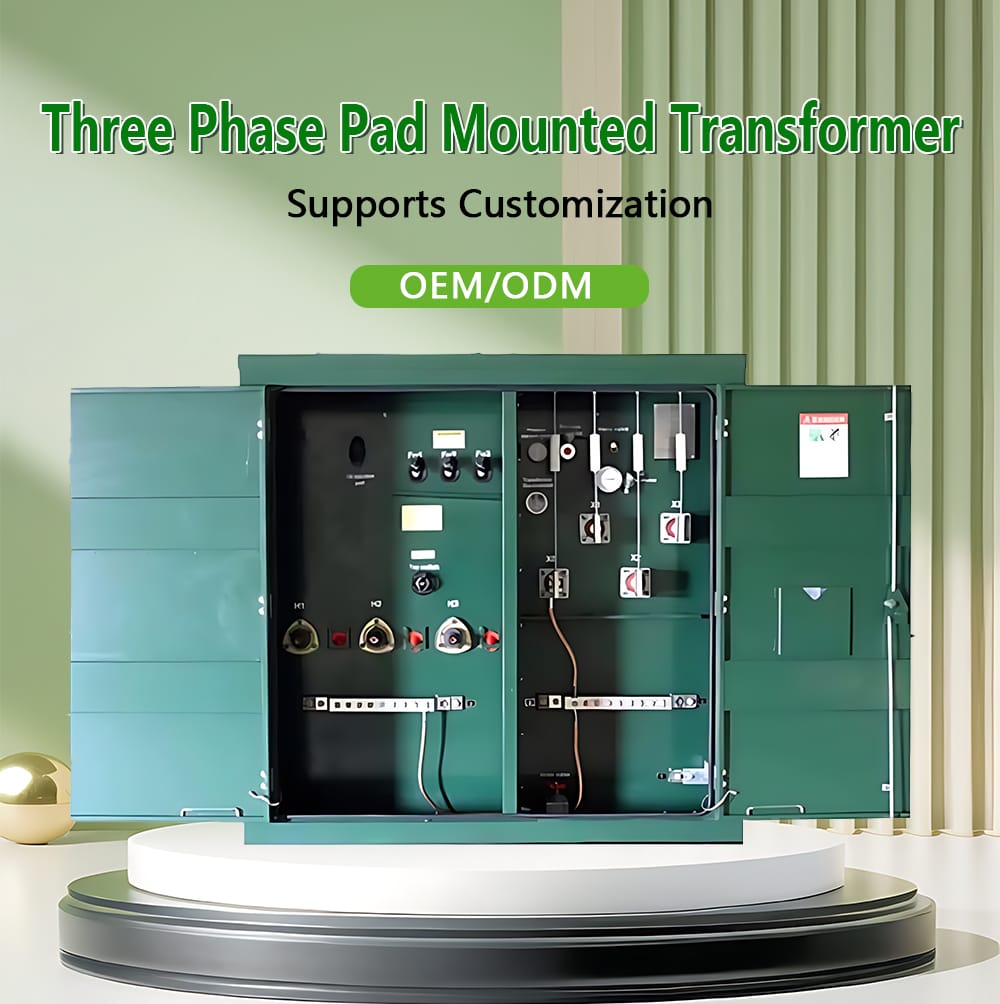
4.American-Style Box-Type Transformers (Pad-Mounted Box Substations) – Definition and Typical Design
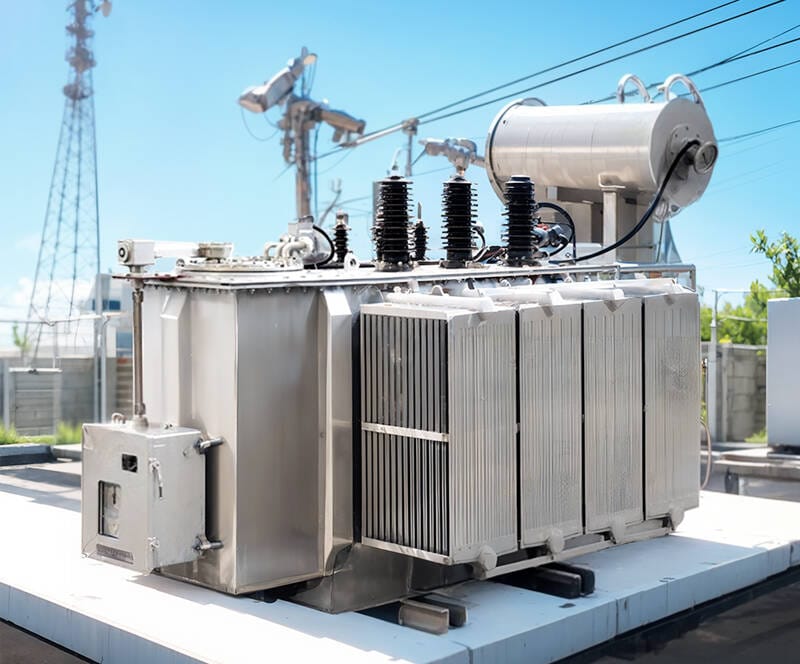
- The American style — often called a pad-mounted transformer — is usually a single, fully enclosed oil-filled tank combining HV switching, transformer core and LV distribution. Equipment meets ANSI/IEEE standards (e.g., C57 series for transformers, ANSI C37 for switchgear).
Key Characteristics
- Integrated oil tank: The HV switchgear (fused cutouts or switch assemblies) is mounted on the same oil-filled enclosure as the transformer core and windings. Oil acts as dielectric and cooling medium.
- Pad mounting: Unit sits on a concrete pad at ground level; all terminations are pad-mounted. Designed for secure outdoor installation with tamper-resistant doors and lockable compartments.
- Underground distribution friendly: Typically used where the distribution network is underground — common in North America to preserve streetscape aesthetics.
- Safety & security: Fully enclosed, no exposed live parts at ground level; fuses and load interrupters accessible only through locked compartments, improving safety in public spaces.
- Simplicity & speed: Factory assembled and pre-tested; minimal on-site assembly and short commissioning time.
Technical pros & cons
- Pros: compact footprint, low site labor, robust protection against weather, cost-effective for standard configurations, lower acoustic emission.
- Cons: limited modularity and customization; inspecting or repairing internal components may require larger tank interventions; oil risks (leakage, fire potential) must be managed with bunding and environmental protection measures.
Typical Specs & Use Cases
- Voltage classes: commonly MV 12.47 kV, 13.2 kV, or other ANSI MV ratings.
- Power range: residential/commercial pads often 25–500 kVA; larger distribution pads 750 kVA–3000 kVA in special designs.
- Used widely in: residential neighborhoods, shopping centers, small commercial sites, and distributed PV/BESS projects in North America.
5.European-Style Box-Type Transformers (Modular/Compartmentalized Box Substations) – Definition and Typical Design
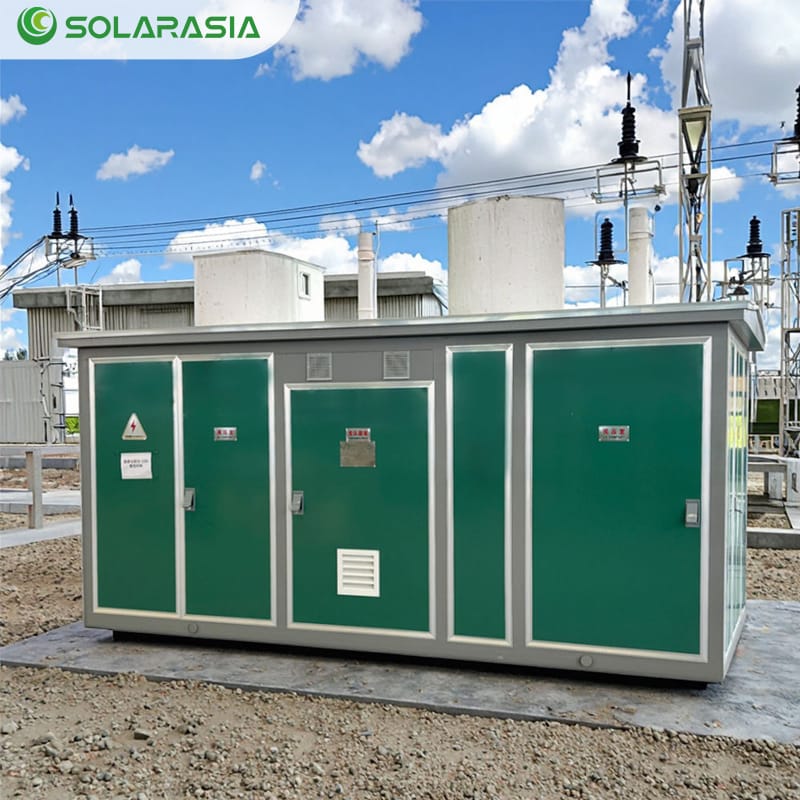
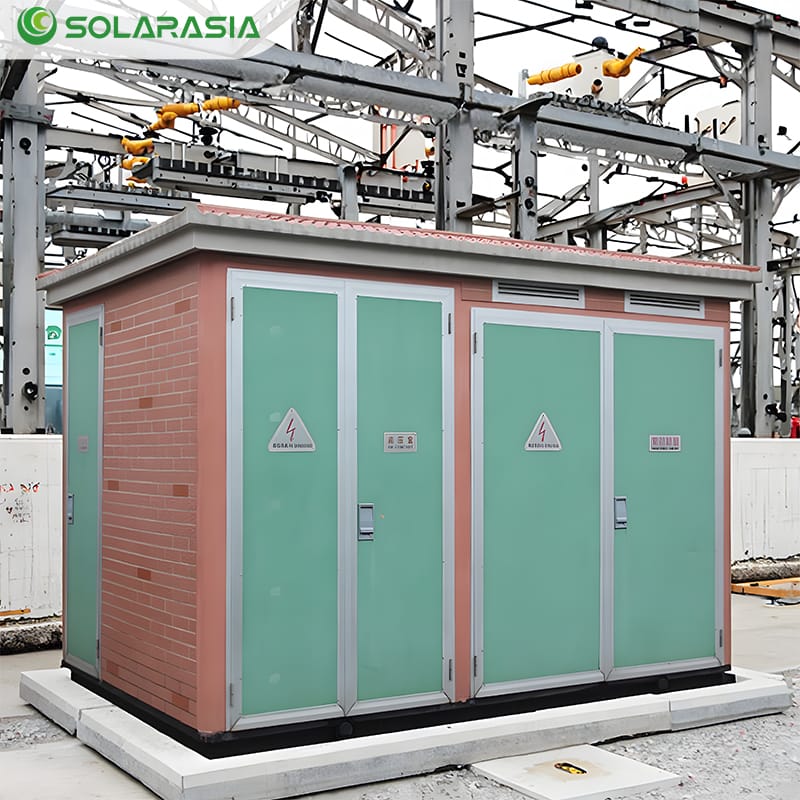
- The European style (IEC oriented) separates HV switchgear, transformer tank, and LV switchgear into distinct compartments within the same overall enclosure. Units comply with CEI standards (e.g., IEC 60076 for transformers, IEC 62271 for switchgear).
Key Characteristics
- Three-chamber separation: physical partitioning improves personnel safety during maintenance (one chamber can be worked on while others remain energized, with proper procedures).
- Flexible switching options: switchgear may be vacuum, gas-insulated, SF₆-free solid dielectric modules, or metal-enclosed switchgear with withdrawable units.
- Dry-type compatibility: Easier to accommodate dry-type transformers when fire codes or indoor installations require non-oil solutions.
- High customization: Cable glands, relay systems, relaying schemes (feeder protection, differential protection), and auxiliary systems tailored to client specs.
Technical pros & cons
- Pros: excellent maintainability, flexible equipment choices, safer for indoor or fire-sensitive sites, easier to upgrade (swap LV panels, add automation).
- Cons: larger footprint for equivalent kVA in some layouts, potentially higher initial engineering/assembly time and cost.
Typical Specs & Use Cases
- Voltage classes: IEC MV levels such as 10 kV, 11 kV, 20 kV, 33 kV.
- Power range: broad — from small 50 kVA units to multi-MVA compact substations.
- Common in: European urban grids, industrial plants, utility substations, data centers, large PV plants and wind farms where IEC standards apply.
6.European Prefabricated Outdoor Transformer Box Substation: Design and Rationale
European prefabricated outdoor transformer box substations are engineered to be installed directly outdoors with minimal on‑site construction.
The factory pre‑assembles and tests all internal components, so installation mainly involves foundation work and cable connections.
Key design points:
- Three‑compartment layout: HV room, transformer room, and LV room, each with separate doors and ventilation.
- Corrosion‑resistant enclosure (galvanized steel or stainless steel) suitable for coastal and industrial environments.
- Oil‑immersed or dry‑type transformers with options for nitrogen sealing, gas monitoring, and remote alarms.
- High IP rating, locking, and anti‑tampering features for safe operation in public or semi‑public areas.
Ready to move forward? Contact our engineering team today for a customized box substation quotation.
7.Side‑By‑Side Technical Comparison: American vs European Box-Type Substations
Below is a practical view engineers and procurement teams use when choosing:
- Standards & Compliance
- American: ANSI/IEEE; utility practices in North America/Latin America.
- European: IEC; used across Europe, Middle East, Africa, and many Asian countries.
- Transformer Medium
- American: typically oil-immersed (ONAN/ONAF).
- European: oil-immersed or dry-type options common.
- Maintenance Approach
- American: sealed design — low routine maintenance; major servicing often requires tank lifting/emptying.
- European: compartmentalized — component-level servicing; easier to replace switchgear or LV units.
- Fire & Environmental Risk
- American: manage oil containment (bunds), use of low-flammability oils is possible.
- European: dry-type reduces fire risk; many designs avoid oil for indoor sites.
- Customization & Future-Proofing
- American: standardized, quicker delivery for typical loads.
- European: modular, easier to add automation, monitoring, communication (SCADA/IEC 61850).
- Installation & Site Constraints
- American: ideal for underground cable networks and constrained streetscapes.
- European: better where staged installation, accessibility, or indoor placement required.
8.Box-Type Transformer Substation Market Trends and Typical Applications
The box‑type transformer substation market is growing rapidly due to the expansion of solar PV, industrial infrastructure, and urban distribution networks.
Typical application areas
- Utility‑scale solar PV plants
- Step‑up from 0.4 kV / 0.8 kV inverters to 10/20/33 kV grid connection, with integrated medium‑voltage switchgear and protection.
- Outdoor, anti‑corrosion, and dust‑proof enclosures are preferred for harsh environments.
- Industrial parks and data centers
- Compact substations near load centers reduce cable length and power loss.
- Support for multiple LV feeders, power factor correction, and harmonic filtering.
- Urban distribution and grid upgrades
- Replacement of traditional indoor substations with compact, low‑noise box‑type units.
- Suitable for 10/20 kV distribution in residential, commercial, and mixed‑use areas.
- Temporary and emergency power stations
- Pre‑assembled box‑type substations can be deployed quickly for construction sites, events, or disaster‑recovery situations.
- Modular design allows for transport and re‑deployment at different locations.
9.How to Choose the Right Box-Type Substation Transformer – Decision Checklist and Procurement Guidance
When deciding between an American pad-mounted unit and a European modular box-type substation, evaluate:
- Regulatory & Utility Requirements
- Check local utility interconnection standards (ANSI vs IEC), earthing practices, and inspection codes.
- Installation Environment
- Outdoor public space with underground cables → pad-mounted (American) often preferred.
- Indoor, high-fire-risk, or industrial site needing compartmental access → European modular or dry-type.
- Maintenance Capability
- If operations team prefers “fit-and-forget” with minimal site servicing → American.
- If frequent testing, easy relay swaps, or staged upgrades needed → European.
- Reliability & Redundancy Needs
- High-availability sites (data centers) may require redundant feeders, multi-section bus, and sophisticated protection — favor modular designs.
- Environmental & Safety Constraints
- Sensitive environments (near water bodies) or strict fire codes → consider dry-type modular or oil containment systems and biodegradable ester fluids for oil units.
- Budget & Lead Time
- Standard pad-mounts: lower CAPEX and faster lead times for common ratings.
- Customized modular substations: higher initial engineering cost but lower lifecycle cost for complex projects.
Procurement Tip: request detailed factory test reports (FAT), type test certificates (IEC/ANSI as applicable), short-circuit impedance data, vector group, temperature rise tests, and routine tests (insulation resistance, turns ratio) — especially for renewable integrations.
Ready to deploy a reliable power solution?
👉Contact our experts today for a customized quote.
10.Box-Type Substation Factory Readiness and Customization Options
As a manufacturer, your factory can provide fully tested, customized box‑type substations for a wide range of projects.
Factory Readiness
- Design and coordination:
- Offer both IEC and ANSI design options, with one‑line diagrams, cable routing, and foundation planning.
- Customize transformer capacity, impedance, and protection to match grid short‑circuit levels.
- Testing:
- Perform routine tests (insulation, dielectric, temperature rise, short‑circuit impedance) before shipment.
- Offer factory acceptance tests (FAT) for customers who wish to witness assembly and control logic checks.
Customization Options
- Voltage and configuration:
- 10/12/17.5/20/24/33 kV systems, with single‑line or ring‑main topologies.
- Single‑transformer or dual‑transformer schemes with parallel or standby operation.
- Enclosure and protection:
- Galvanized steel or stainless‑steel enclosures, insulation layers, and higher IP ratings for harsh environments.
- Oil‑immersed or dry‑type transformers, with options for nitrogen sealing and gas monitoring.
- Monitoring and connectivity:
- Integrated temperature, oil‑level, and gas‑density sensors with remote alarm and data logging.
- Communication protocols such as Modbus, IEC 61850, or SNMP for SCADA integration.
- Export and packaging:
- Marine‑grade packaging and anti‑corrosion treatment for export projects.
- Delivery of drawings, test reports, and installation manuals as part of the package.
11.Practical examples & case studies (short)
- Residential subdivision (North America): pad-mounted transformer, 250 kVA, 13.2 kV/480 V, fused primary — chosen for small footprint and aesthetics.
- Industrial park (Europe): modular box-type 2 MVA compact substation, 33 kV primary, dry-type windings inside separate transformer room — chosen for maintainability and fire safety.
- Solar PV plant (utility-scale): modular substation with remote monitoring, OLTC (on-load tap changer), and MV switchgear rated to 33 kV — chosen for scalability and grid code compliance.
12.Maintenance, lifecycle and environmental considerations
- Routine checks: temperature profiles, oil sampling (if oil), IR thermography of busbars, mechanical operation of switches, and relay testing.
- Preventive maintenance: scheduled oil testing (BDV, moisture content, dissolved gas analysis), bushings inspection, anti-corrosion treatment.
- End of life & recycling: responsible disposal of insulating oil, recycling of copper and steel. Consider design choices that reduce environmental footprint — e.g., biodegradable ester oils or dry-type transformers.
- Smart upgrades: retrofit meters, communication modules (IEC 61850), condition monitoring sensors to enable predictive maintenance.
13.Conclusion — How to Apply These Insights to Your Box-Type Substation Project
- Choisir American pad-mounted when you need a compact, low-maintenance, fast-deploy solution compatible with ANSI practices and underground distribution networks.
- Choisir European modular when you require flexibility, easy maintenance, dry-type options, IEC compliance, and future-proof upgradeability.
For most projects, balance technical standards, site safety, environmental rules, and lifecycle cost — and request detailed technical dossiers and FAT reports before procurement.