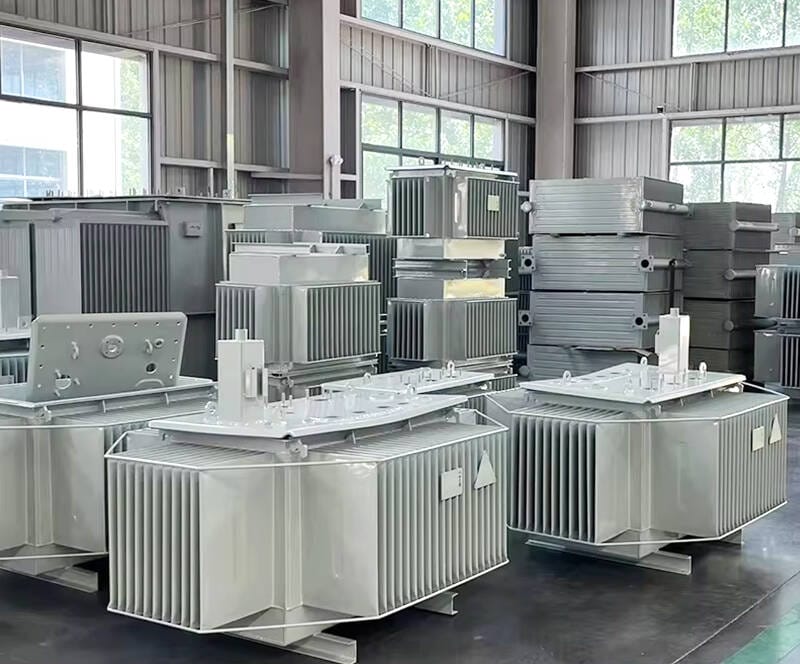
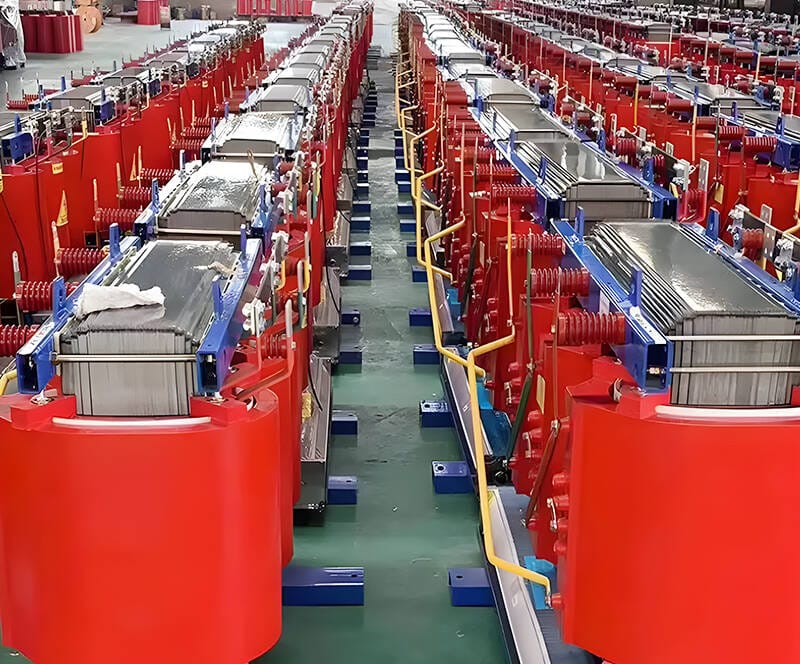
Choosing the right 2000KVA industrial transformer is critical for heavy-duty industrial projects, including manufacturing plants, mining operations, and large commercial facilities. Selecting an unsuitable transformer can lead to energy losses, frequent maintenance, or even operational downtime. In this guide, we walk you through every step of choosing a 2000KVA industrial transformer, from confirming load requirements and selecting the correct voltage configuration, to evaluating cooling methods, core design, insulation systems, and compliance with international standards.
You will also learn how to factor in environmental conditions, installation constraints, and cost considerations to ensure long-term reliability and efficiency. Whether you are sourcing a new transformer for a factory upgrade or planning a high-capacity power distribution project, this comprehensive guide provides actionable insights, practical tips, and expert recommendations for making a confident, informed choice.
Table of Contents
- Introduction: Why 2000KVA Industrial Transformers Are Widely Used in Heavy-Duty Projects
- Step 1: Confirm Load Requirements Before Selecting a 2000KVA Industrial Transformer
- Step 2: Determine Voltage Configuration
- Step 3: Choose the Right Cooling Method
- Step 4: Core Design Factors That Impact Performance
- Step 5: Oil Type and Insulation System
- Step 6: Compliance and Certification Requirements
- Step 7: Environmental & Installation Conditions
- Step 8: Customization Options for Industrial Projects
- Step 9: Cost Breakdown of a 2000KVA Industrial Transformer
- Step 10: Logistics & Export Considerations
- Step 11: Final Checklist Before Purchasing a 2000KVA Industrial Transformer
- Conclusion: Work with a Reliable Industrial Transformer Manufacturer
1. Introduction: Why 2000KVA Industrial Transformers Are Widely Used in Heavy-Duty Projects
Industrial projects require reliable, high-capacity electrical power solutions that can withstand heavy-duty operational demands. Among the available options, a 2000KVA industrial transformer offers a balance between high power delivery, energy efficiency, and adaptability to various industrial scenarios. These transformers are commonly used in manufacturing plants, mining operations, commercial complexes, and renewable energy installations such as solar farms. Choosing the correct 2000KVA industrial transformer ensures not only reliable power distribution but also minimizes operational costs, energy losses, and maintenance requirements. Many industrial operators prefer oil immersed transformers because they provide superior cooling, durability, and resistance to harsh environmental conditions.
Understanding technical specifications, load requirements, environmental conditions, and compliance standards allows engineers and project managers to make informed decisions when selecting a 2000KVA industrial transformer. This comprehensive guide will cover everything from specifications, voltage options, cooling methods, to cost analysis, providing a step-by-step approach for industrial transformer selection and procurement. Learn more about our full range of Oil Immersed Transformer products to find the best 2000KVA solution for your industrial project.
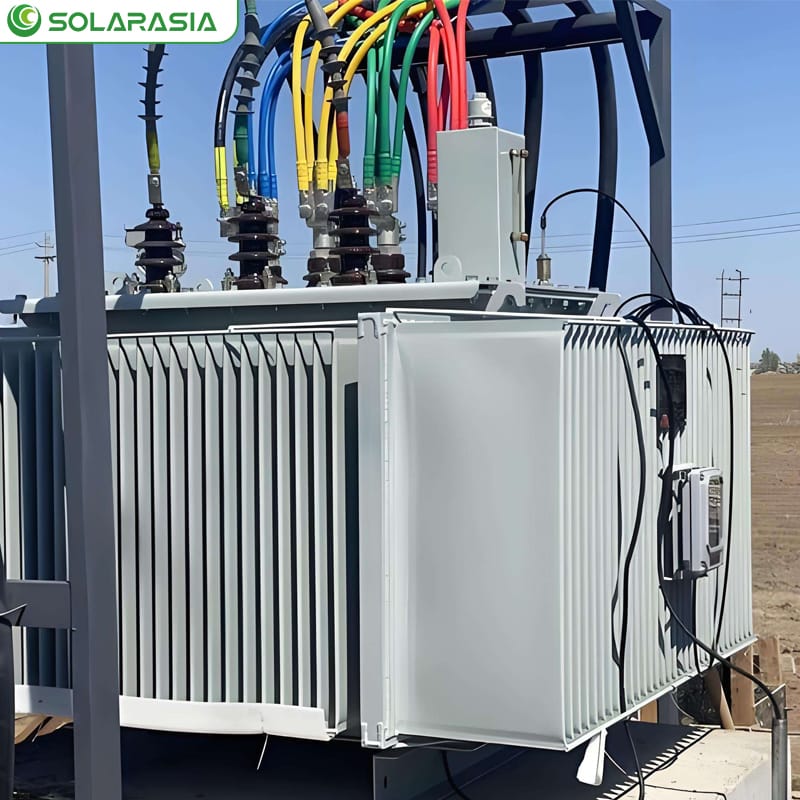
2. Step 1: Confirm Load Requirements Before Selecting a 2000KVA Industrial Transformer
Accurately determining the electrical load is critical to selecting the right 2000KVA industrial transformer. Overloading a transformer can cause overheating and equipment failure, while underloading leads to unnecessary capital investment. Begin by assessing the total connected load, considering the rated power of machinery, operational hours, and the diversity factor. For heavy-duty industrial projects, ensure that the peak demand does not exceed the transformer’s rated KVA. It is also essential to include a 10–15% safety margin to accommodate unexpected future expansions.
Load Calculation Example:
| Équipement | Rated Power (kW) | Load Factor | Effective Load (kW) |
|---|---|---|---|
| Motor A | 400 | 0.9 | 360 |
| Pump B | 200 | 0.7 | 140 |
| Lighting | 150 | 1.0 | 150 |
| Total | 650 kW |
After calculating the effective load, divide by transformer efficiency (typically 0.98) to determine the minimum KVA required. This process ensures that the selected 2000KVA industrial transformer can handle peak load safely while maintaining energy efficiency over the operational life.
3. Step 2: Determine Voltage Configuration
Selecting the appropriate voltage configuration is essential for grid compatibility and safe operation. Primary voltage options for a 2000KVA industrial transformer often include 11kV, 13.8kV, and 33kV, while secondary voltages typically range from 400V to 480V. The selected voltage impacts transformer insulation, cooling requirements, and system safety.
Voltage Selection Table:
| Region | Common Primary Voltage | Common Secondary Voltage |
| Europe & Asia | 11kV | 400V |
| North America | 13.8kV | 480V |
| Middle East | 33kV | 415V |
Frequency selection, whether 50Hz or 60Hz, affects core design and efficiency. Ensuring proper voltage and frequency alignment is essential for operational stability and transformer longevity. Engineers must verify regional standards and grid requirements before finalizing the transformer configuration to maintain safe and efficient industrial operations.
4. Step 3: Choose the Right Cooling Method
Cooling plays a pivotal role in the performance and longevity of a 2000KVA industrial transformer. Most heavy-duty transformers utilize oil immersed cooling methods, with ONAN (Oil Natural Air Natural) and ONAF (Oil Natural Air Forced) being the most common. ONAN transformers rely on natural convection of oil and air to dissipate heat and are suitable for moderate load conditions. ONAF transformers use forced air circulation through fans to enhance heat dissipation, making them ideal for high ambient temperatures, prolonged peak loads, or industrial applications with heavy-duty operational cycles.
Selecting the correct cooling method ensures optimal energy efficiency, reduces the risk of overheating, and prolongs transformer life. For industrial applications, a proper cooling system also minimizes maintenance requirements and prevents downtime due to temperature-related failures.
5. Step 4: Core Design Factors That Impact Performance
The transformer’s core design significantly affects efficiency, operational stability, and long-term costs. High-quality core materials reduce losses and improve energy efficiency. Cold Rolled Grain Oriented (CRGO) steel is commonly used to minimize core losses, while amorphous steel offers additional energy-saving benefits at a higher initial cost.
Winding materials are equally important. Copper windings provide superior conductivity, mechanical strength, and short-circuit resistance, whereas aluminum windings offer a cost-effective alternative with slightly reduced performance. Correctly sizing the windings ensures reliable load handling.
Short-circuit impedance directly influences fault current limitation and grid compatibility. Selecting the correct impedance ensures coordinated protection, reduces the risk of electrical faults, and maintains stable industrial operations.
6. Step 5: Oil Type and Insulation System
Oil type and insulation systems are critical for safety, reliability, and transformer lifespan. Mineral oil is widely used due to its cost-effectiveness and excellent dielectric properties, while synthetic oils provide enhanced fire resistance and environmental performance. Proper insulation ensures the transformer can withstand voltage stresses during operation.
Monitoring oil quality and periodic maintenance help prevent insulation degradation, reduce risk of transformer failure, and extend operational life. Selecting the right oil type and insulation system ensures that a 2000KVA industrial transformer meets both operational and regulatory requirements for industrial applications. Follow IEEE Transformer Standards for guidance on insulation, safety, and operational efficiency.
7. Step 6: Compliance and Certification Requirements
Compliance with international and regional standards guarantees safety, reliability, and export readiness. A 2000KVA industrial transformer should comply with IEC 60076 standards, covering design, testing, and operational parameters. ISO certification ensures quality management and manufacturing consistency. Routine and type tests conducted by certified laboratories verify transformer performance and reliability.
Working with certified manufacturers and suppliers reduces project risk, ensures equipment meets global quality requirements, and facilitates smoother approvals for international industrial projects.
8. Step 7: Environmental & Installation Conditions
Environmental conditions significantly affect transformer performance and lifespan. Factors include:
- Installation Location: Outdoor installations require weatherproof and corrosion-resistant enclosures.
- Ambient Temperature: High temperatures may necessitate enhanced cooling solutions.
- Altitude: Reduced air density at higher elevations can affect cooling efficiency.
- Noise Levels: Industrial sites may have strict noise regulations, requiring low-noise transformer designs.
Considering these environmental factors ensures that the 2000KVA industrial transformer operates efficiently, safely, and reliably under the specific conditions of the industrial site.
9. Step 8: Customization Options for Industrial Projects
Customization enhances transformer performance, efficiency, and safety for project-specific requirements. Options include:
- Off-load and on-load tap changers for voltage adjustment
- Vector group selection for system compatibility
- Anti-corrosion coatings for harsh environments
- Advanced monitoring systems for load, temperature, and oil quality
Custom features ensure that the 2000KVA industrial transformer aligns with operational demands, reduces maintenance, and supports long-term industrial project success.
10. Step 9: Cost Breakdown of a 2000KVA Industrial Transformer
Understanding the cost components helps project managers plan budgets effectively:
| Component | Cost Impact |
| Copper Windings | High |
| Core Steel | Medium |
| Cooling System | Medium |
| Certification & Testing | Low-Medium |
| Customization | Medium-High |
| Shipping & Logistics | Medium |
Being aware of these cost factors helps prioritize investments, optimize transformer specifications, and make informed procurement decisions.
11. Step 10: Logistics & Export Considerations
Exporting a 2000KVA industrial transformer requires careful planning:
- Oil Draining: To comply with international shipping regulations.
- Packing Methods: Wooden cases or steel skids to ensure protection.
- Transport Dimensions: Ensure compliance with shipping and handling constraints.
- Delivery Timelines & Insurance: Critical for project scheduling and risk mitigation.
Proper logistics planning ensures the transformer arrives safely and on time, ready for installation and operation.
12. Step 11: Final Checklist Before Purchasing a 2000KVA Industrial Transformer
Before finalizing the purchase, verify the following:
- Correct voltage and frequency for the project
- Appropriate cooling method for operational demands
- Compliance with IEC and regional standards
- Adequate impedance for system safety
- Suitability for environmental and installation conditions
- Customization features meet project-specific requirements
Using a structured checklist prevents costly mistakes and ensures the selected 2000KVA industrial transformer fully meets industrial project needs.
13. Conclusion: Work with a Reliable Industrial Transformer Manufacturer
Selecting the right 2000KVA industrial transformer requires careful consideration of load requirements, voltage configuration, cooling systems, core and winding materials, oil type, compliance, and environmental factors. Collaborating with a certified industrial transformer manufacturer ensures quality control, customization options, and export support. A well-selected 2000KVA industrial transformer delivers energy-efficient, reliable, and safe power distribution, making it a critical investment for heavy-duty industrial projects.