
I. Introduction
High voltage transformers play a critical role in industrial power systems, renewable energy facilities, manufacturing plants, commercial buildings, and utility substations. Whether you are operating a 11kV distribution transformer, a 33kV power transformer, an oil-immersed transformer, or a dry-type transformer, safety during maintenance is one of the most essential factors to prevent equipment failure, electrical hazards, and unexpected downtime.
One of the most important — yet often overlooked — maintenance tasks is properly discharging the transformer قبل الفحص أو الإصلاح. حتى بعد فصل الطاقة، يمكن لمحول الجهد العالي أن يحتفظ بمستوى خطير من الشحنة الكهربائية بسبب الخصائص التحريضية والسعوية داخل اللفات، والبطانات، وأنظمة العزل.
للوحدات ذات السعة العالية مثل أ محول مغمور بالزيت 2000 كيلو فولت أمبير، من الضروري تنفيذ إجراءات التفريغ المناسبة قبل إجراء الصيانة أو عمليات الفحص أو اختبار الزيت أو استبدال المكونات الداخلية. نظرًا للطاقة المخزنة الأكبر وتكوين الملفات الأكبر، فإن ضمان سلامة التفريغ يعد أكثر أهمية من محولات التوزيع الأصغر.
يمكن أن يؤدي الفشل في تفريغ المحول إلى:
- صدمة كهربائية شديدة
- حوادث فلاش القوس
- الأضرار التي لحقت العزل الداخلي
- أخطاء غير متوقعة في المعدات
- مخاطر السلامة للفنيين
- تمديد فترة توقف الصيانة
توفر هذه المدونة أ دليل كامل خطوة بخطوة حول كيفية تفريغ محول الجهد العالي، والأدوات المطلوبة، وتسلسل التفريغ الصحيح، والأخطاء الشائعة التي يجب تجنبها. لم يتم تصميمه فقط لمساعدة الفنيين على فهم إجراءات سلامة المحولات المناسبة ولكنه مكتوب أيضًا للمشترين النظر في شراء محول جديد للجهد العالي، تقدم رؤى حول التصميم عالي الجودة ومعايير السلامة وأفضل ممارسات الصيانة.
باعتبارنا مصنعًا وموردًا عالميًا للمحولات، فإننا نهدف إلى مساعدة المستخدمين على تحقيق أقصى قدر من الموثوقية وعمر الخدمة والأداء لمعداتهم. سواء كنت تخطط لمشروع جديد أو لاستبدال الوحدات القديمة، فإن فهم إجراءات تفريغ المحولات سيساعدك على اتخاذ قرارات أكثر استنارة.
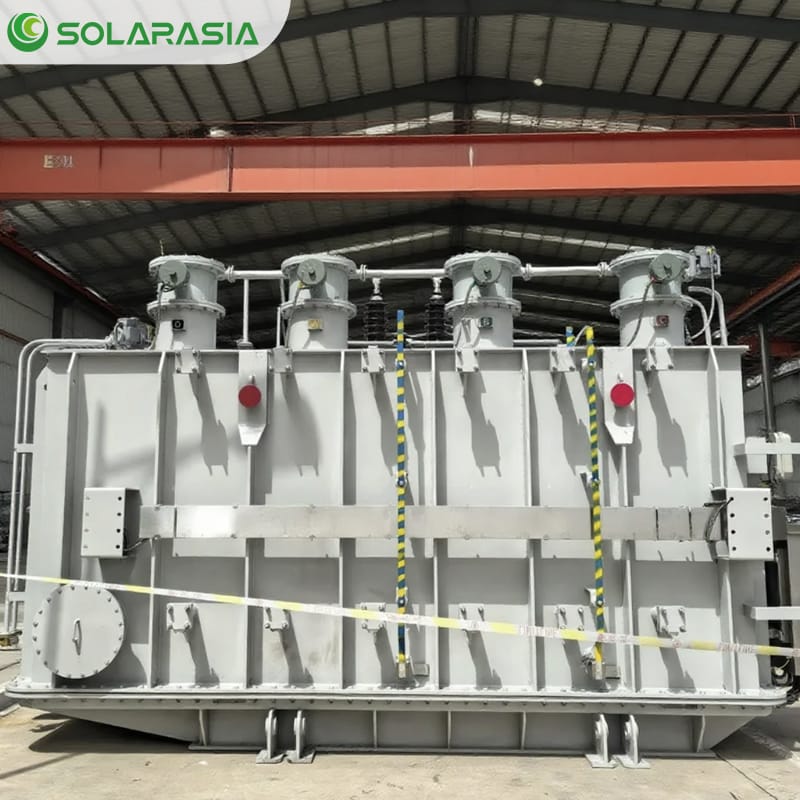
ثانيا. ما هو تفريغ محولات الجهد العالي؟
يحتوي محول الجهد العالي، سواء كان مملوءًا بالزيت أو من النوع الجاف، على مكونات متعددة يمكنها ذلك تخزين الطاقة الكهربائية حتى بعد انقطاع التيار الكهربائي بشكل كامل. تشمل هذه المكونات:
- اللفات الأولية والثانوية
- النواة المغناطيسية
- السعة الداخلية بين الملفات
- جلبة السعة
- اتصالات مانعة الصواعق
- الكابلات المتصلة الخارجية
- نظام التأريض المحايد
وبسبب هذه الطاقة المخزنة، يجب على الفنيين تفريغ المحول يدويًا لإزالة أي جهد متبقي قبل لمس الأطراف أو البطانات أو العبوات.
2.1 لماذا تحتفظ المحولات بالشحنة المتبقية
تتصرف المحولات بطبيعتها مثل المكثفات بسبب بنية ملفاتها وطبقاتها العازلة. حتى عندما يتم قطع طاقة الإدخال:
- ال اللفات قد تبقى ممغنطة
- ال العزل قد تحمل شحنة كهربائية
- ال جوهر قد تحتفظ بالتدفق المتبقي
- ال الكابلات قد يستمر توصيله بالمحول في تخزين الجهد
- قد يكون الجهد محاصرًا في محطات الجهد العالي بسبب اقتران بالسعة
ولهذا السبب يستخدم الفنيون المهرة دائمًا قضبان التأريض ومعدات الحماية المقدرة.
2.2 عواقب عدم تفريغ المحولات
إذا لم يتم تفريغ المحول قبل الصيانة، يمكن أن تحدث عدة مخاطر:
| مخاطرة | وصف |
|---|---|
| صدمة كهربائية | يمكن أن يصل الجهد المتبقي إلى عدة كيلو فولت، مما يسبب ضررًا جسيمًا. |
| فلاش القوس | يمكن أن يؤدي التفريغ المفاجئ إلى حدوث وميض كهربائي وإتلاف المعدات وتعريض الأفراد للخطر. |
| انهيار العزل | قد يؤدي الإطلاق المفاجئ للشحنة الداخلية إلى إضعاف العزل أو إتلاف البطانات. |
| اختبار غير دقيق | يتداخل الجهد المتبقي مع اختبار مقاومة العزل أو اختبارات مقاومة اللف. |
| اتصال مبكر جدًا | قد يلمس العمال الأسطح المعدنية النشطة عن طريق الخطأ. |
يعتقد العديد من الفنيين الهواة أن "المحول متوقف بالفعل"، لكن هذا لا يعني أن لمسه آمن.
2.3 متى يجب تفريغ المحول؟
مطلوب تفريغ المحولات قبل:
- الصيانة الوقائية
- قياس مقاومة اللف
- اختبارات مقاومة العزل (IR).
- استبدال البطانات
- أخذ عينات الزيت (للمحولات المملوءة بالزيت)
- أعمال إنهاء الكابل
- التفتيش الداخلي
- النقل أو التخزين على المدى الطويل
- تركيب محول جديد بالموقع
إذا كانت منشأتك تعتمد بشكل كبير على وقت التشغيل، فإن اتباع إجراءات التفريغ يساعد على تجنب عمليات الإغلاق غير المخطط لها ويضمن السلامة التشغيلية.
ثالثا. احتياطات السلامة قبل تفريغ محول الجهد العالي
قبل البدء بأي عمل تفريغ، الأولوية الأولى هي الامتثال الصارم للسلامة. تشتمل محولات الجهد العالي على طاقة كهربائية كبيرة، وقد تؤدي الإجراءات غير الصحيحة إلى مخاطر مميتة.
فيما يلي الاحتياطات القياسية الصناعية، والتي تتوافق مع IEC وIEEE وإرشادات السلامة الكهربائية المحلية.
3.1 إجراء القفل/الإغلاق (LOTO).
لا ينبغي أن تبدأ عملية تفريغ المحولات دون تنفيذ أ نظام LOTO الكامل.
تشمل الخطوات ما يلي:
- قم بإيقاف تشغيل وعزل مصدر الجهد العالي الوارد.
- قم بقفل القاطع أو فاصل الفصل في وضع "OFF/OPEN".
- قم بإرفاق علامة توضح اسم الفني والتاريخ ووصف العملية.
- استخدم مقياسًا متعددًا للتأكد من عدم وجود جهد دخل.
يضمن LOTO عدم قيام أي شخص بتنشيط النظام عن طريق الخطأ أثناء الصيانة.
3.2 ارتداء معدات الحماية الشخصية المناسبة (PPE)
يتطلب تفريغ المحولات معدات حماية شخصية عالية المستوى. تشمل المعدات الأساسية ما يلي:
- القفازات المعزولة كهربائيًا (الفئة 0 — الفئة 3 المُصنفة للجهد العالي)
- درع الوجه لحماية القوس
- ملابس مقاومة للهب
- أحذية السلامة العازلة
- نظارات السلامة
- حصيرة مطاطية معزولة تحت قدميك
يوصى باستخدام معدات الوقاية الشخصية الإضافية في حالة العمل في الهواء الطلق أو حول المحطات الفرعية.
3.3 التحقق من عدم إدخال الطاقة
قبل الوصول إلى المحول:
- اختبار محطات الجهد العالي
- استخدم كاشف الجهد المقنن (متوافق مع EN 61243)
- اختبار جانبي الدائرة (جانبي الخط والحمل)
- اختبار مرحلة إلى الأرض ومن مرحلة إلى مرحلة
لا تفترض أبدًا أن المحطات الطرفية قد ماتت. تحقق دائما.
3.4 تحديد نقاط التأريض
يجب على الفنيين المحترفين تحديد موقع:
- شريط التأريض الرئيسي
- مقاومة التأريض المحايدة (NGR)
- أرض خزان المحولات
- شبكة التأريض للمحطات الفرعية
- اتصال التأريض للبطانات ذات الجهد العالي
يجب تنفيذ جميع أعمال التأريض وفقًا لتصميم التأريض الخاص بالمنشأة.
3.5 السماح بوقت التبديد الطبيعي
حتى بعد انقطاع الاتصال، غالبا ما تتطلب المحولات 5-30 دقيقة لتسوس الجهد الطبيعي.
قد تتطلب محولات الجهد العالي الكبيرة وقتًا أطول.
لكن لاحظ: الانتظار ليس بديلا عن التفريغ.
إنه مجرد حاجز أمان.
3.6 استخدم الأدوات المعزولة فقط
يفعل لا استخدام أدوات معدنية أو قضبان غير معزولة، حيث يمكنها:
- إنشاء ومضات ضوئية
- محطات الضرر
- تسبب صدمة قاتلة
- يؤدي إلى مسارات حالية لا يمكن التنبؤ بها
يجب أن تتوافق أدوات التفريغ الاحترافية مع معايير IEC 60900 أو ASTM F1505.
3.7 فحص البيئة
قبل البدء بإجراءات الخروج:
- برك الماء الصافية أو الرطوبة
- ضمان أرض مستقرة
- قم بإزالة الأدوات غير الضرورية
- إبقاء الموظفين غير المصرح لهم بعيدا
- التأكد من الإضاءة المناسبة
- التأكد من التهوية للمحولات المملوءة بالزيت
البيئة الخاضعة للرقابة تقلل من الحوادث.
3.8 الاستعداد لحالات الطوارئ
تحضير مواد الطوارئ:
- مجموعة الإسعافات الأولية
- طفاية حريق (يوصى بالفئة C)
- جهاز اتصال
- فني/فريق النسخ الاحتياطي
يجب أن يعمل الجهد العالي أبداً يتم إجراؤها بمفردها.
3.9 جدول فحص السلامة (للاستخدام في الموقع)
فيما يلي قائمة مرجعية يمكنك استخدامها مباشرة على مدونتك أو تقديمها لعملائك:
قائمة التحقق من السلامة قبل تفريغ محول الجهد العالي
| عنصر السلامة | حالة | ملحوظات |
|---|---|---|
| تم تطبيق LOTO | ☐ نعم / ☐ لا | الكسارة مقفلة وموسومة |
| يتم ارتداء معدات الوقاية الشخصية | ☐ نعم / ☐ لا | قفازات، أحذية، درع للوجه |
| تم التحقق من الجهد | ☐ نعم / ☐ لا | تم الانتهاء من اختبار المتر المتعدد |
| تم تحديد النقاط الأرضية | ☐ نعم / ☐ لا | تأكيد شبكة التأريض |
| أدوات معزولة جاهزة | ☐ نعم / ☐ لا | تم تجهيز قضيب التأريض |
| تم تطهير المنطقة | ☐ نعم / ☐ لا | لا ماء أو عقبات |
| الموظفون الاحتياطيون موجودون | ☐ نعم / ☐ لا | لا تعمل بمفردك أبدًا |
| مجموعة الطوارئ متوفرة | ☐ نعم / ☐ لا | طفاية حريق + إسعافات أولية |
تؤدي إضافة قائمة التحقق هذه إلى زيادة ثقة المستخدم وتحسين محركات البحث (SEO) وتساعد في إظهار خبرتك كمورد للمحولات.
رابعا. الأدوات المطلوبة لتفريغ المحولات
لتفريغ محول الجهد العالي بشكل آمن، يجب على الفنيين استخدام الأدوات الصحيحة التي تتوافق مع معايير IEC وIEEE ومعايير السلامة الكهربائية الوطنية. يمكن أن يؤدي استخدام الأدوات الخاطئة - خاصة القضبان المعدنية المرتجلة، أو العصي غير المعزولة، أو كابلات التأريض منخفضة التصنيف - إلى حدوث وميض قوسي، أو تلف المعدات، أو حتى صدمات مميتة.
يغطي هذا القسم المعدات الأساسية اللازمة لتفريغ المحولات بشكل صحيح ويشرح الغرض من كل أداة لمساعدة كل من الفنيين ومشتري المحولات على فهم ما تتطلبه الصيانة المهنية.
4.1 قضيب التأريض (عصا التفريغ)
إن قضيب التأريض، الذي يُطلق عليه أحيانًا "العصا الساخنة" أو "عصا التفريغ"، هو الأداة الأكثر أهمية لتفريغ المحول. وهي مصممة خصيصا لبيئات الجهد العالي.
الميزات الرئيسية لقضيب التأريض الاحترافي
- عزل عالي القوة (الألياف الزجاجية عادة)
- كابل التأريض متصل بشكل آمن بنقطة التأريض
- خطاف أو طرف نحاسي للاتصال بالمحول
- تصنيف الجهد المناسب للمعدات (10 كيلو فولت، 33 كيلو فولت، 66 كيلو فولت، أو 132 كيلو فولت +)
- قبضة مضادة للانزلاق لسلامة الفنيين
لماذا يهم؟
يمنع قضيب التأريض عالي الجودة التيار من المرور عبر جسم الفني، مما يضمن تدفق مسار التفريغ بأمان إلى شبكة التأريض.
4.2 كابل التأريض
تعتبر كابلات التأريض مسؤولة عن حمل الشحنة المتبقية بأمان إلى الأرض. يجب أن تكون سميكة بدرجة كافية للتعامل مع تيارات التفريغ المفاجئة دون ارتفاع درجة الحرارة أو الانصهار.
مواصفات الكابل الموصى بها
- الكابلات النحاسية على الأقل مقطع عرضي 25-50 مم²
- العروات الميكانيكية مع العقص ضيق
- العزل الحراري يتقلص على جميع الوصلات
- سترة مطاطية سميكة لمنع تلف الرطوبة
الاستخدام
قبل لمس أي طرف توصيل عالي الجهد، يجب أن يكون كابل التأريض متصلاً بشكل آمن بشريط التأريض الرئيسي للمحطة الفرعية.
4.3 كاشف الجهد المقنن أو جهاز اختبار الجهد العالي
قبل وبعد التفريغ، يجب التحقق من الجهد باستخدام:
- قلم كاشف الجهد العالي (للفحوصات السريعة)
- مقياس متعدد مُصنف لـ CAT III أو CAT IV
- عصا اختبار الجهد العالي (متوافقة مع IEC 61243)
تضمن هذه الأدوات ما يلي:
- هناك الجهد المتبقي قبل التفريغ
- تتم إزالة الجهد بالكامل بعد التفريغ
لا تعتمد أبدًا على الفحص البصري وحده، فالجهد المتبقي غير مرئي.
4.4 القفازات المعزولة ومعدات الوقاية الشخصية
تتضمن المجموعة الكاملة من معدات الوقاية الشخصية عالية الجهد عادةً ما يلي:
- قفازات معزولة من الفئة 0 إلى الفئة 3 (مصنف للاستخدام من 1 كيلو فولت إلى 26.5 كيلو فولت)
- الملابس المقاومة للهب
- درع وجه فلاش قوسي
- خوذة أمان مع حزام للذقن
- الأحذية العازلة
- حصيرة مطاطية عازلة
يمكن للمحولات أن تفرغ طاقتها بشكل غير متوقع، لذلك تعمل معدات الحماية الشخصية كطبقة ثانية من الحماية في حالة حدوث خطأ بشري أو وميض مفاجئ.
4.5 الأدوات اليدوية المعزولة
بالإضافة إلى عصا التأريض، يحتاج الفنيون إلى:
- كماشة معزولة
- مفكات معزولة
- الشدات المعزولة
- روابط الكابلات غير الموصلة
- مقص العزل
يجب أن تستوفي الأدوات معايير IEC 60900 ويتم اختبارها سنويًا للتأكد من سلامة العزل.
4.6 أدوات القياس
تشمل أجهزة القياس المهمة الأخرى ما يلي:
- جهاز قياس المشبك لدوائر الجهد المنخفض
- جهاز اختبار مقاومة العزل (ميجر)
- لف متر المقاومة
- مسدس قياس درجة الحرارة (لفحوصات السلامة)
يجب على المشترين الذين يقومون بتقييم مورد المحولات التأكد مما إذا كانت الشركة المصنعة تقوم بإجراء الاختبار باستخدام معدات متوافقة مع معايير الصناعة - وهي علامة على جودة الإنتاج الموثوقة.
4.7 الأدوات وجدول الوظائف
الجدول: الأدوات المطلوبة لتفريغ محولات الجهد العالي
| أداة | الوظيفة الأساسية | تصنيف الجهد النموذجي | لماذا هو ضروري |
|---|---|---|---|
| قضيب التأريض | تفريغ محطات الجهد العالي بأمان | 10 كيلو فولت – 132 كيلو فولت | يمنع الصدمة الفنية |
| كابل التأريض | يحمل التيار المتبقي إلى الأرض | 25-50 ملم² | يضمن المسار الحالي الآمن |
| كاشف الجهد | يتحقق من وجود الجهد | اللجنة الثالثة/الرابعة | يؤكد ظروف التشغيل الآمنة |
| قفازات معزولة | يحمي من الاتصال غير المتوقع | الفئة 0 - الفئة 3 | يمنع الصدمة القاتلة |
| قوس فلاش الدرع | يحمي العينين والوجه | تصنيف IEEE/ASTM | يمنع إصابات الحروق |
| أدوات معزولة | تعديل ميكانيكي آمن | إيك 60900 | يتجنب الدوائر القصيرة العرضية |
| جهاز اختبار الأشعة تحت الحمراء (ميجر) | فحص العزل بعد التفريغ | 2.5 كيلو فولت – 5 كيلو فولت | يضمن صحة المحولات |
بالنسبة لمشتري المحولات، يضيف هذا الجدول قيمة لأنه يوضح مستوى السلامة والاحترافية المطلوبة لصيانة محول الجهد العالي. من المرجح أن يقدم المورد الذي يفهم هذه المتطلبات منتجًا مستقرًا ومتوافقًا وطويل الأمد.
V. كيفية تفريغ محول الجهد العالي (دليل خطوة بخطوة)
يوفر هذا القسم إجراءات تفريغ كاملة ومفصلة ومتوافقة مع معايير الصناعة. إذا كنت مشتريًا تخطط لشراء محول عالي الجهد، فسيساعدك هذا الدليل على تقييم تصميم سلامة المحولات وجودة التأريض وسهولة الصيانة. إذا كنت تريد شرحًا عمليًا لعملية التفريغ الدقيقة، فراجع دليلنا التفصيلي حول إجراء تفريغ المحولات بما في ذلك الأدوات وخطوات التأريض وممارسات السلامة.
إذا كنت فنيًا، فاتبع كل خطوة بعناية لضمان التشغيل الآمن.
5.1 جدول ملخص خطوة بخطوة
قبل الشرح التفصيلي، إليك جدول مختصر لعملية التفريغ بأكملها:
الجدول: إجراء تفريغ المحولات – خطوة بخطوة
| خطوة | وصف | ملحوظات |
|---|---|---|
| 1 | تطبيق لوتو | قاطع القفل في وضع إيقاف التشغيل |
| 2 | تحقق من جهد الدخل الصفري | استخدام كاشف الجهد |
| 3 | العثور على نقطة التأريض | يجب توصيل قضيب الأرض أولاً |
| 4 | قم بتوصيل قضيب التأريض بالشريط الأرضي | يضمن المسار الحالي الآمن |
| 5 | المس محطة الجهد العالي بقضيب التأريض | يبدأ التفريغ |
| 6 | استمر في الاتصال لمدة 5-10 ثوانٍ | السماح بالتفريغ الكامل |
| 7 | كرر لجميع المراحل | يجب تفريغ كل من L1 وL2 وL3 |
| 8 | تحقق من الجهد الصفري مرة أخرى | استخدم الكاشف أو المتر المتعدد |
| 9 | ضع جهاز ماس كهربائى | منع إعادة الشحن |
| 10 | ابدأ الصيانة | إلا بعد التأكد من السلامة الكاملة |
الآن دعونا نقسم كل خطوة بالتفاصيل الاحترافية الكاملة.
5.2 دليل تفصيلي خطوة بخطوة
الخطوة 1: تطبيق التأمين/العلامة التجارية (LOTO)
ابدأ بإيقاف تشغيل قاطع الجهد العالي الوارد أو مفتاح فصله. قم بإرفاق قفل شخصي وعلامة لمنع التنشيط العرضي.
غاية:
يضمن عدم تمكن أي شخص من استعادة الطاقة أثناء عمل الفنيين.
الخطوة 2: التحقق من جهد الإدخال الصفري
Before touching the transformer terminals, test both the incoming and outgoing sides.
Test:
- Phase-to-phase
- Phase-to-ground
- Neutral-to-ground
If ANY residual voltage remains, the transformer is NOT safe to work on.
Step 3: Identify and Confirm Grounding Point
The grounding point must:
- Be mechanically tight
- Be part of the facility’s grounding grid
- Have resistance lower than international standards (typically < 1–5 Ω)
For transformer buyers:
A high-quality transformer always includes dedicated grounding lugs for safe discharge.
Step 4: Secure the Grounding Cable to the Ground Grid
Before touching the transformer, the grounding cable MUST be connected to earth first.
This establishes a safe discharge path.
Step 5: Hold Grounding Rod and Touch the HV Terminal
استخدام كلتا اليدين (واحدة تلو الأخرى إذا لزم الأمر):
- أمسك بقضيب التأريض المعزول
- اقترب ببطء من محطة الجهد العالي
- المس الخطاف المعدني بالمحطة
قد تسمع:
- النقر
- شرارة صغيرة
- صوت بوب قصير
هذه الأمور طبيعية، فهي تشير إلى حدوث إفرازات.
الخطوة 6: حافظ على الاتصال لمدة 5-10 ثواني
يضمن إبقاء القضيب على اتصال ما يلي:
- تتبدد جميع الشحنات المتبقية
- تطلق الطبقات العازلة الطاقة المخزنة
- تتحلل مغناطيسية الملف بطريقة خاضعة للرقابة
بالنسبة للمحطات الفرعية الكبيرة، يوصى بـ 10-15 ثانية.
الخطوة 7: كرر ذلك لجميع المراحل (L1، L2، L3)
يجب أن يكون لديك محولات ثلاثية الطور يتم تفريغ كل محطة على حدة.
قد يؤدي تخطي أي مرحلة إلى اختلافات محتملة خطيرة.
الخطوة 8: التحقق من الجهد الصفري مرة أخرى
بعد تفريغ كافة المراحل:
- استخدم كاشف الجهد
- تأكد من أن جميع المحطات تظهر جهدًا صفريًا
- اختبار مرحلة إلى مرحلة ومن مرحلة إلى الأرض
لا تعتمد أبدًا على اختبار واحد.
المعيار هو "اختبار - تفريغ - اختبار مرة أخرى."
الخطوة 9: تطبيق جهاز قصر الدائرة
تمنع هذه الخطوة إعادة تنشيط المحول بسبب:
- اقتران بالسعة
- الفولتية المستحثة من الكابلات القريبة
- تراكم الشحنة الساكنة
قام الفنيون بتثبيت أ شريط تقصير أو رابط التأريض المؤقت للحفاظ على جميع المراحل في إمكانات متساوية.
الخطوة 10: ابدأ أعمال الصيانة
الآن أصبح المحول آمنًا تمامًا من أجل:
- التفتيش الداخلي
- استبدال البطانة
- إنهاء الكابل
- أخذ عينات من الزيت
- قياس مقاومة اللف
- اختبار الأشعة تحت الحمراء
- بالنسبة لمشتري المحولات، توضح هذه الخطوة أيضًا السبب التصميم الداخلي للمحول ونظام العزل تؤثر بشدة على صعوبة الصيانة والموثوقية على المدى الطويل.
إجراءات التفريغ للمحول المغمور بالزيت بقدرة 2000 كيلو فولت أمبير
للوحدات ذات السعة الكبيرة مثل محول مغمور بالزيت 2000 كيلو فولت أمبيرتعد إجراءات التفريغ المناسبة ضرورية قبل الصيانة أو الفحص أو اختبار الزيت أو استبدال المكونات الداخلية. نظرًا لارتفاع الطاقة المخزنة وهيكل اللف الأكبر، تصبح سلامة التفريغ أكثر أهمية مقارنة بمحولات التوزيع الصغيرة.
1. عزل المحول عن شبكة الكهرباء
قبل إجراء أي عملية تفريغ:
- افصل المحول من جوانب الجهد العالي والجهد المنخفض.
- تأكد من عزل الطاقة بالكامل من خلال معدات اختبار الجهد.
- يجب تنفيذ إجراءات الإغلاق والعلامة (LOTO) بشكل صارم.
بالنسبة للمنشآت الصناعية مثل محطات المصانع الفرعية أو مشاريع البنية التحتية التي تستخدم محولات بقدرة 2000 كيلو فولت أمبير، يجب تنسيق عزل النظام مع مجموعة المفاتيح الكهربائية الأولية.
اعتبارات التفريغ للمحولات ذات السعة الكبيرة
في حين تنطبق إجراءات التفريغ القياسية على معظم محولات التوزيع، فإن الوحدات ذات السعة الكبيرة مثل المحولات المغمورة بالزيت بقدرة 2000 كيلو فولت أمبير تتطلب اهتمامًا إضافيًا بالسلامة بسبب ارتفاع الطاقة الكهربائية المخزنة وهياكل الملفات الأكبر حجمًا.
في المحطات الفرعية الصناعية والمنشآت القائمة على المشاريع، قد يؤدي التفريغ غير السليم إلى:
- مخاطر الصدمات الكهربائية
- أضرار العزل
- انخفاض عمر المحولات
- توقف غير متوقع في أنظمة الإنتاج
ولهذا السبب، ينبغي دمج تخطيط التفريغ لمحولات 2000 كيلو فولت أمبير مع استراتيجية التركيب والتشغيل والصيانة الشاملة.
للحصول على نظرة عامة هندسية كاملة تغطي الاختيار وسلامة التفريغ ومتطلبات التثبيت واعتبارات المشروع، راجع دليلنا المتعمق:
👉 2000KVA Oil Immersed Transformer: Selection, Discharge, Installation & Project Guide
2. السماح بالتبريد الطبيعي وتثبيت الزيت
نظرًا لأن المحول المغمور بالزيت بقدرة 2000 كيلو فولت أمبير يحتوي على كمية كبيرة من الزيت العازل، فإن درجة الحرارة الداخلية تظل مرتفعة لفترة أطول بعد إيقاف التشغيل.
انتظر حتى:
- تنخفض درجة حرارة الزيت إلى مستوى التعامل الآمن
- يستقر الضغط الداخلي
- لم يلاحظ أي تكوين غاز غير طبيعي
قد تؤدي الصيانة المفاجئة بدون تبريد إلى زيادة مخاطر السلامة.
3. التأريض والتفريغ المتحكم فيه للشحنة المتبقية
حتى بعد انقطاع التيار الكهربائي، قد تبقى الشحنة الكهربائية المتبقية في:
- اللفات
- البطانات
- مكونات سعوية
إجراء:
- قم بتوصيل كابلات التأريض المناسبة بأطراف المحولات.
- استخدم قضيب تفريغ معزول مقننًا لجهد النظام.
- تفريغ كل مرحلة بالتسلسل.
- التحقق من الجهد صفر مع معدات الاختبار.
بالنسبة للمحولات ذات السعة العالية مثل وحدات 2000 كيلو فولت أمبير المستخدمة في المحطات الفرعية الصناعية، يجب أن يتم التفريغ بواسطة موظفين كهربائيين مؤهلين.
4. فحص خزان الزيت والمكونات الداخلية (إذا لزم الأمر)
إذا أعقبت عملية التفريغ اختبار الزيت أو الفحص الداخلي:
- تأكد من التأريض الكامل لجسم الخزان.
- اختبار تراكم الغاز القابل للاحتراق إذا كان المحول قيد التشغيل مؤخرًا.
- اتبع لوائح السلامة في الأماكن الضيقة في حالة فتح الخزان.
بالنسبة لمحولات 2000 كيلو فولت أمبير المخصصة للتصدير، تساعد إجراءات التفريغ والفحص المناسبة في الحفاظ على عمر العزل وضمان الموثوقية على المدى الطويل.
مثال التطبيق: محول المحطة الفرعية الصناعية 2000KVA
في أنظمة توزيع الطاقة في المصانع أو مواقع التعدين أو المجمعات التجارية، تُستخدم المحولات المغمورة بالزيت بقدرة 2000 كيلو فولت أمبير بشكل شائع لتحويل الطاقة ذات الجهد المتوسط إلى الجهد المنخفض.
إذا كنت تستخدم أو تخطط لنشر محول بقدرة 2000 كيلو فولت أمبير للمشاريع الصناعية، فيمكنك الرجوع إلى مواصفات المنتج التفصيلية والدعم الهندسي هنا:
👉 [صفحة منتج المحولات المغمورة بالزيت 2000KVA]
باعتبارنا شركة مصنعة للمحولات لمشاريع التصدير، فإننا نقدم التوجيه الفني لإجراءات التثبيت والتشغيل والصيانة لضمان التشغيل الآمن طوال دورة حياة المحولات.
سادسا. تسلسل التفريغ الصحيح لمحولات الجهد العالي
يجب تفريغ المحولات بالترتيب الصحيح لتجنب عدم التوازن الكهربائي أو ارتفاع الجهد غير المتوقع. تتفاعل كل مرحلة ومكون كهربائيًا، لذا فإن اتباع التسلسلات القياسية يضمن التفريغ الآمن والمستقر.
يوجد أدناه تسلسل التفريغ المطابق لمعايير الصناعة والذي تم اعتماده من قبل IEC وIEEE والمرافق العالمية الكبرى.
6.1 تسلسل التفريغ القياسي
أمر تفريغ المحولات المقبول عالمياً هو:
1. محطات الجهد العالي (HV).
2. المحطة المحايدة / الأرضية
3. محطات الجهد المنخفض (LV).
4. المكونات الداخلية (اختيارية للصيانة الرئيسية)
يضمن هذا التسلسل تفريغ المكونات الأكثر خطورة أولاً.
6.2 لماذا هذا التسلسل مهم
السبب 1: محطات الجهد العالي تخزن معظم الطاقة
اللفات ذات الجهد العالي لديها:
- عدد أكبر من المنعطفات
- خصائص حثية/سعوية أعلى
- إمكانات كهربائية أعلى
تفريغ أطراف الجهد العالي يمنع أولاً:
- أقواس الجهد العالي غير المتوقعة
- التيارات المفاجئة
- ومضات بين المراحل
السبب 2: قد يحمل الحياد/الأرض اختلافات محتملة
حتى عند فصلها، قد تحتفظ النقطة المحايدة بما يلي:
- تهمة بالسعة
- الجهد الضال
- الإمكانات الساكنة
ويضمن تفريغه معادلة النظام بالكامل.
السبب 3: الجانب LV يحمل الجهد المستحث المتبقي
على الرغم من أنه أكثر أمانًا من اللفات ذات الجهد العالي، إلا أن الجهد المتبقي لا يزال من الممكن أن يصل إلى مستويات خطيرة اعتمادًا على:
- حجم المحول
- التصميم الأساسي
- طول الكابل
إطلاقه يضمن السلامة الشاملة.
6.3 جدول تسلسل التفريغ
الجدول: تسلسل تفريغ المحولات الموصى به
| ترتيب التسلسل | عنصر | سبب |
|---|---|---|
| 1 | محطات الجهد العالي (L1، L2، L3) | أعلى طاقة مخزنة، وأكبر خطر |
| 2 | محايد / ستار بوينت | يزيل الاختلافات المحتملة المتبقية |
| 3 | محطات الجهد المنخفض | يزيل الجهد المستحث في اللف الثانوي |
| 4 | النقاط الداخلية الاختيارية | للصيانة العميقة فقط |
يجب على الفنيين اتباع هذا الأمر بدقة.
يجب على مشتري المحولات أن يسألوا الموردين عما إذا كان تصميم وحدتهم يبسط التأريض والتفريغ الآمن - وهي السمة المميزة للهندسة الجيدة.
6.4 ملاحظات إضافية لأنواع المحولات الخاصة
6.4.1 المحولات المغمورة بالزيت
قد يحتفظ الزيت بالشحن في:
- البطانات
- اللفات
- جيوب الرطوبة
- العزل الشيخوخة
قد تكون هناك حاجة إلى أوقات تفريغ ممتدة للمحولات القديمة.
6.4.2 المحولات من النوع الجاف
يتبدد الجهد المتبقي بشكل أسرع، ولكن:
- لفائف صب راتنجات الايبوكسي
- وصلات الحافلات المعزولة بالهواء
لا تزال تتطلب التأريض قبل الصيانة.
6.4.3 المحولات الذاتية
نظرًا لأن اللفات ذات الجهد العالي والمنخفض تكون مشتركة جزئيًا، فإن التفريغ غير المناسب يمكن أن يسبب "جهدًا متقاطعًا".
يجب على الفنيين المدربين فقط محاولة التفريغ.
6.4.4 المحولات القريبة من خطوط الجهد العالي
تعمل الموصلات ذات التيار العالي القريبة على توليد الجهد حتى عند عزلها.
يجب تطبيق أجهزة قصر الدائرة.
6.5 مبدأ "المعادلة ثلاثية المراحل".
بعد التفريغ بشكل فردي، يجب تقصير المراحل الثلاث معًا مؤقتًا باستخدام:
- شريط التأريض النحاسي
- كابل التأريض عالي التيار
وهذا يضمن:
- لا إعادة الشحن
- لا توجد إمكانات مستحثة
- لا يوجد جهد غير آمن بين المراحل
هذه ممارسة معتادة في المحطات الفرعية في جميع أنحاء العالم.
سابعا. أخطاء شائعة يجب تجنبها عند تفريغ محول الجهد العالي
حتى الفنيين ذوي الخبرة يمكن أن يرتكبوا أخطاء جسيمة أثناء تفريغ المحولات. لا تؤدي هذه الأخطاء إلى تعريض الموظفين للخطر فحسب، بل قد تؤدي أيضًا إلى تلف المحول وإبطال الضمان. باعتبارك مشتريًا، فإن معرفة هذه المخاطر تساعدك على تقييم ما إذا كان المورد يقدم التدريب المناسب وإرشادات السلامة ودعم الصيانة.
فيما يلي الأخطاء الأكثر شيوعًا وكيفية تجنبها.
7.1 الخطأ 1: افتراض إيقاف تشغيل الطاقة يعني عدم وجود جهد كهربائي
وهذا هو أخطر مفهوم خاطئ.
يمكن للمحولات الاحتفاظ بالجهد بسبب:
- محاثة اللف
- سعة العزل الداخلي
- الكابلات المتصلة الطويلة
- المجالات المغناطيسية الخارجية
- هياكل التأريض المحايدة
حتى معدات "إيقاف الطاقة" لا تزال قادرة على إحداث صدمة مميتة.
النهج الصحيح
تحقق دائمًا باستخدام:
- كاشف الجهد العالي
- المتعدد
- قضيب التأريض
واتبع القاعدة:
لا تثق أبدًا - اختبر دائمًا.
7.2 الخطأ 2: عدم استخدام قضيب التأريض بشكل صحيح
بعض الفنيين:
- المس المحطة بسرعة كبيرة جدًا
- قف قريبًا جدًا
- ننسى أن الأرض قضيب أولا
- استخدام قضبان تالفة أو غير مختبرة
يجب توصيل قضيب التأريض بالأرض قبل الاتصال بأي محطة.
النهج الصحيح
- الاتصال بشبكة التأريض
- تأكد من سلامة الكابل
- المس طرف الجهد العالي ببطء وثبات
- حافظ على اتصال ثابت لمدة 5-10 ثواني
7.3 الخطأ 3: نسيان تنفيذ المراحل الثلاث
يعد تخطي مرحلة واحدة أمرًا شائعًا للغاية، خاصة في المحطات الفرعية القديمة ذات العلامات الضعيفة. يمكن أن يؤدي ترك مرحلة واحدة مشحونة إلى:
- تفريغ شرارة غير متوقعة
- اختلال الجهد
- خطر على الموظفين
- تلف المعدات أثناء الاختبارات
النهج الصحيح
التفريغ دائما:
L1 → L2 → L3 → محايد → محطات الجهد المنخفض
7.4 الخطأ 4: العمل بدون معدات الوقاية الشخصية
حتى الارتفاع الصغير في الجهد المتبقي يمكن أن يسبب:
- بيرنز
- إصابات فلاش القوس
- صدمة كهربائية
- تلف الأعصاب الدائم
تحدث العديد من الحوادث لأن معدات الوقاية الشخصية "غير مريحة" أو "يستغرق ارتداؤها وقتًا طويلاً".
النهج الصحيح
يرتدي:
- قفازات معزولة
- الملابس ذات التصنيف القوسي
- درع الوجه
- الأحذية العازلة
- خوذة السلامة
لا ينبغي أبدًا القيام بالأعمال ذات الجهد العالي بشكل عرضي.
7.5 الخطأ 5: عدم تأريض الكابلات القريبة أو المعدات المتوازية
محولات متصلة بـ:
- مغذيات متوازية
- المكثفات
- قضبان التوصيل ذات التيار العالي
- طرق الكابلات الطويلة
يمكنهم إعادة تنشيط أنفسهم من خلال الفولتية المستحثة.
النهج الصحيح
قم بتأريض جميع الدوائر الواردة/الصادرة.
7.6 الخطأ 6: إزالة شريط التقصير في وقت مبكر جدًا
بعد التفريغ، يمكن للمحول إعادة تجميع الجهد بسبب:
- اقتران بالسعة
- الحقول EM المستحثة
- تراكم ثابت
قد تؤدي إزالة وصلة التأريض مبكرًا إلى حدوث عملية إعادة شحن خطيرة.
النهج الصحيح
يبقى شريط البيع على المكشوف قيد التشغيل حتى يتم الانتهاء من جميع الأعمال.
7.7 الخطأ السابع: التفريغ في التسلسل الخاطئ
إذا كان التسلسل خاطئًا، فقد "يقفز" الجهد بين المراحل.
اتبع دائما:
الجهد العالي → محايد → الجهد المنخفض
7.8 الخطأ 8: عدم إعادة الاختبار قبل اللمس
يعد الفشل في إعادة فحص الجهد سببًا رئيسيًا للحوادث.
النهج الصحيح
اتبع القاعدة الذهبية:
اختبار → تفريغ → اختبار مرة أخرى
اختباران مستقلان = معيار سلامة الصناعة المقبول.
ثامنا. نصائح إضافية للسلامة عند تفريغ محولات الجهد العالي
بالإضافة إلى الإجراءات القياسية، تساعد توصيات الخبراء التالية على تعزيز السلامة وعمر المحولات - كما أنها بمثابة معرفة قيمة لمشتري المحولات الذين يقومون بتقييم جودة المعدات.
8.1 Keep a Safe Working Distance
During discharge, maintain:
- At least 1 meter from HV terminals (low voltage systems)
- At least 1.5–2 meters for 10kV–33kV units
- 3 meters or more for 66kV–132kV transformers
Distance is your first line of protection.
8.2 Maintain Dry, Clean Working Conditions
Moisture increases the risk of:
- Flashovers
- Tracking arcs
- Poor grounding contact
If working outdoors, use insulated dry mats and protect tools from rain.
8.3 Regularly Test Grounding Systems
A grounding system with high resistance cannot properly dissipate discharge energy.
Typical recommended grounding resistance:
- < 1Ω for substations
- 1–5Ω for industrial facilities
- 5–10Ω for remote or rocky locations
Buyers evaluating transformer installations should always inspect grounding quality.
8.4 استخدام فنيين اثنين لأعمال الجهد العالي
يجب أن تشتمل العمليات ذات الجهد العالي دائمًا على الحد الأدنى مما يلي:
- فني الرصاص
- مراقب السلامة
مراقب السلامة يضمن:
- الاستجابة الفورية في حالات الطوارئ
- لا يوجد وصول غير مصرح به
- مراقبة علامات الخطر
لا ينبغي أبدًا إجراء صيانة الجهد العالي بمفردها.
8.5 توثيق كافة عمليات التفريغ
التوثيق الجيد يضمن:
- إمكانية التتبع
- تناسق
- امتثال
- دقة تاريخ الصيانة
يشمل:
- تاريخ
- اسماء الفنيين
- قياسات الجهد
- نتائج التفريغ
- الأدوات المستخدمة
يجب على المشترين أن يتوقعوا من موردي المحولات المحترفين تقديم نماذج وثائق الصيانة.
8.6 فحص العزل قبل استعادة الطاقة
بعد التفريغ والصيانة، يجب على الفنيين:
- تحقق من نظافة البطانة
- التحقق من مقاومة العزل (IR) باستخدام الميجر
- تحقق من ضيق الترباس الأرضي
- تأكد من عدم بقاء أي أدوات بالداخل
- تأكد من إزالة أشرطة البيع على المكشوف فقط قبل التنشيط
وهذا يمنع فشل ما بعد الصيانة.
8.7 لا تخطي التدريب أبدًا
إن تفريغ المحولات ليس مهمة بسيطة ويتطلب:
- التدريب على السلامة ذات الجهد العالي
- التدريب الخاص بالمعدات
- التدريب العملي على الممارسة
لثقة المشتري:
ستقدم الشركة المصنعة للمحولات عالية الجودة التدريب أو الأدلة للتشغيل الآمن.
8.8 استخدم التصوير الحراري بالأشعة تحت الحمراء قبل إعادة التنشيط
يمكن للمسح السريع بالأشعة تحت الحمراء اكتشاف ما يلي:
- النقاط الساخنة
- اتصالات فضفاضة
- نقاط الفشل المحتملة
هذه واحدة من أبسط الطرق لتجنب التوقف غير المخطط له.
تاسعا. خاتمة
يعد تفريغ محولات الجهد العالي إجراءً أساسيًا لضمان الصيانة الآمنة والفعالة والموثوقة. سواء كنت تقوم بتشغيل محول توزيع 10 كيلو فولت في مصنع، أو محول 33 كيلو فولت في مزرعة للطاقة الشمسية، أو محول طاقة كبير في محطة فرعية، فإن التفريغ المناسب يساعد على منع المخاطر الكهربائية، وإطالة عمر المعدات، والحفاظ على أداء مستقر للنظام.
تناول هذا الدليل:
- ما هو تفريغ المحولات
- لماذا الجهد المتبقي خطير
- الأدوات المطلوبة
- استكمال إجراءات التفريغ
- التسلسل الصحيح
- احتياطات السلامة
- الأخطاء الشائعة
- نصائح الخبراء الإضافية
بالنسبة للمشترين الذين يقومون بتقييم موردي المحولات، فإن فهم هذه الإجراءات يساعدك أيضًا على الحكم على:
- احترافية الموردين
- تصميم سلامة المنتج
- مستوى دعم الصيانة
- الموثوقية التشغيلية
إن الشركة المصنعة للمحولات الجديرة بالثقة لا توفر المعدات فقط -
أنها توفر السلامة والتدريب والموثوقية وخدمة ما بعد البيع والقيمة على المدى الطويل.
X. الأسئلة المتداولة
تمت كتابة هذه الأسئلة الشائعة للمساعدة في زيادة حركة البحث العضوية للكلمات الرئيسية المتعلقة بمحولات الجهد العالي، وإجراءات تفريغ المحولات، وسلامة المحولات، ونية الشراء.
1. لماذا تحتاج إلى تفريغ محول الجهد العالي؟
لأن المحولات تخزن الطاقة بشكل طبيعي في ملفاتها وعزلها ونواتها المغناطيسية. يمكن أن يصل الجهد المتبقي إلى عدة كيلو فولت ويسبب صدمة كهربائية أو وميض قوسي إذا لم تتم إزالته.
2. كم من الوقت يستغرق تفريغ المحول؟
عادة 5-10 ثواني لكل مرحلة باستخدام قضيب التأريض، لكن محولات الطاقة الكبيرة قد تتطلب وقتًا أطول. يجب أيضًا تفريغ الجوانب المحايدة والجانب المنخفض.
3. هل يمكنني تفريغ محول بمجرد الانتظار بعد إيقاف تشغيله؟
لا، فالتحلل الطبيعي يحدث بالفعل، ولكن غالبًا ما تظل هناك شحنات خطيرة متبقية. التفريغ اليدوي باستخدام قضيب التأريض هو الطريقة الآمنة الوحيدة.
4. ما هو تسلسل تفريغ المحول الصحيح؟
التسلسل القياسي هو:
محطات الجهد العالي ← محايدة ← محطات الجهد المنخفض ← النقاط الداخلية (إذا لزم الأمر)
5. ماذا يحدث إذا لم يتم تفريغ المحول؟
تشمل المخاطر المحتملة ما يلي:
- صدمة كهربائية
- فلاش القوس
- أضرار العزل
- نتائج اختبار غير صحيحة
- فشل المعدات
6. هل يتم تفريغ المحولات المملوءة بالزيت بشكل مختلف عن المحولات من النوع الجاف؟
نعم. قد تحتفظ الوحدات المملوءة بالزيت بالشحن لفترة أطول بسبب سعة البطانة وخصائص عزل الزيت. يجب تمديد وقت التفريغ قليلاً.
7. هل أحتاج إلى معدات الوقاية الشخصية عند تفريغ المحول؟
نعم. تعتبر معدات الوقاية الشخصية الكاملة إلزامية، بما في ذلك:
- قفازات معزولة
- درع وجه فلاش قوسي
- ملابس FR
- الأحذية العازلة
8. هل يمكن للجهد المستحث إعادة شحن المحول بعد التفريغ؟
نعم. يمكن لخطوط الجهد العالي والكابلات الطويلة القريبة أن تولد الجهد مرة أخرى. قضبان التقصير تمنع ذلك.
9. هل يمكنني تفريغ محول بدون أدوات احترافية؟
لا، إن استخدام الأجسام المعدنية المرتجلة أمر خطير للغاية. ينبغي استخدام الأدوات المصنفة فقط.
10. كيف يمكنني اختيار مورد محولات آمن وموثوق؟
ابحث عن الموردين الذين يقدمون:
- تصنيع متوافق مع IEC/IEEE
- تصميم كامل للتأريض والسلامة
- الدعم الفني بعد البيع
- إرشادات التثبيت
- أدلة مفصلة والتدريب على الصيانة
إذا كنت تبحث عن محول جهد عالي آمن وعالي الجودة وموثوق لمشروعك الصناعي أو التجاري، يمكننا مساعدتك.
نحن متخصصون في المحولات المغمورة بالزيت، والمحولات من النوع الجاف، ومحولات الطاقة، ومحولات التوزيع، والحلول المخصصة للأسواق العالمية.
📩 اتصل بنا اليوم للحصول على عرض أسعار مجاني أو استشارة فنية أو توصية بالمنتج.
سيساعدك فريقنا الهندسي على اختيار المحول المناسب وضمان التركيب الآمن والتأريض والتشغيل على المدى الطويل.

3 تعليقات