1.Introduction
Single vs three phase power are pretty much the two main ways electricity gets delivered. You’ll usually see single-phase in homes and smaller shops—standard stuff for lighting and plugging in appliances. Three-phase? That’s the heavy lifter. It’s what keeps factories, larger commercial buildings, and industrial sites running.
If you’re sizing up equipment, planning a network, or just trying to figure out what transformer you actually need—grasping the difference is kind of a big deal.(IEC Electrical Standards).
So, in this overview, we’ll walk through how both systems operate. Break down the main differences. Look at pros, cons, and where each one typically shows up. And hopefully, help you figure out which direction makes sense for your setup.
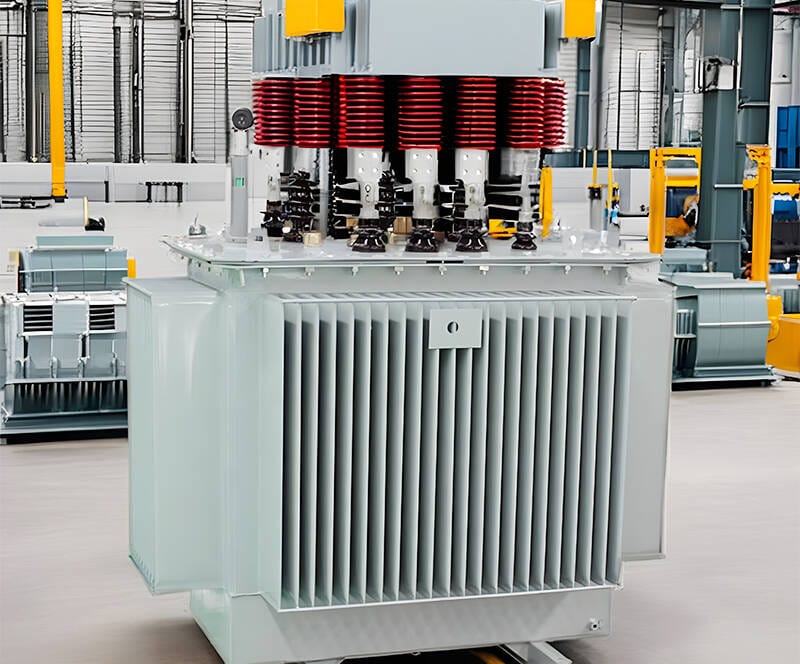
Now, when it comes to actually sourcing the hardware—transformers, especially—you want gear that’s solid. And honestly, working with a reputable China oil immersed transformer factory? That’s often a smart move. Or actually—wait, let me rephrase—partnering with an experienced oil immersed transformer factory means you’re looking at a full range: everything from standard oil-immersed transformers to a proper 3 phase oil immersed transformer power transformer for heavier loads.
Looking for reliable power distribution equipment? Explore our range of high-efficiency transformers designed for industrial and commercial applications.
View Three Phase Transformers →
And if you’re buying in volume, going with a wholesale oil immersed power transformer supplier tends to stretch the budget further. Plus, China oil-immersed transformer prices are generally competitive—sometimes surprisingly so—without skimping on quality. So yeah. Worth keeping in mind.
TOC
- Introduction
- What Is Single Phase Power
- What Is Three Phase Power
- Key Differences Between Single Phase and Three Phase Power
- Advantages and Disadvantages
- Applications of Single Phase and Three Phase Power
- Single Phase vs Three Phase Transformers
- How to Choose the Right Power System
- التعليمات
- Conclusion
2.What Is Single Phase Power
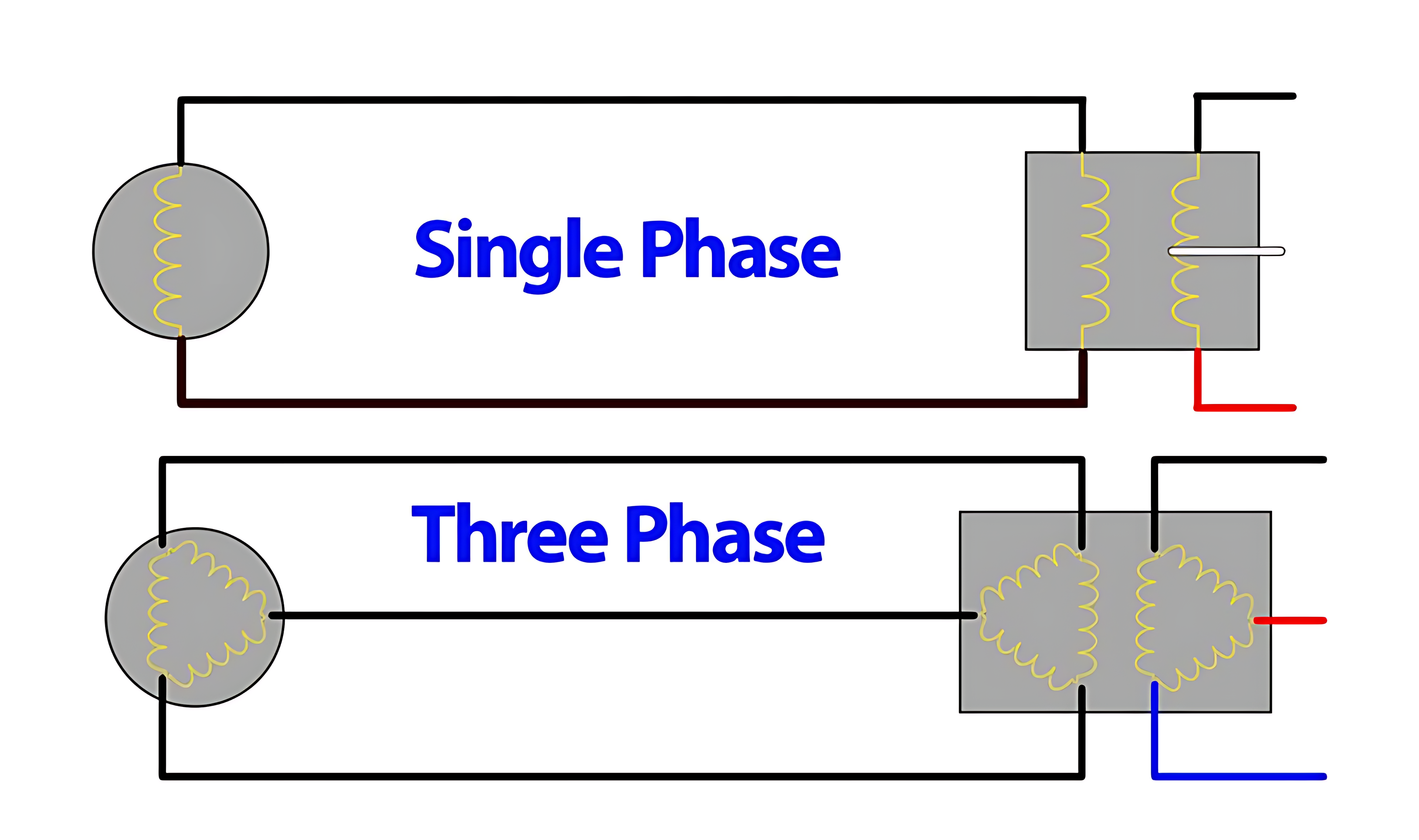
Single phase power is what you’ve got in most houses and smaller shops. The standard setup. Runs on one AC waveform—just a single phase wire and a neutral wire, usually. Current goes out through the phase, does its job powering whatever’s plugged in, and loops back through the neutral. Simple enough.
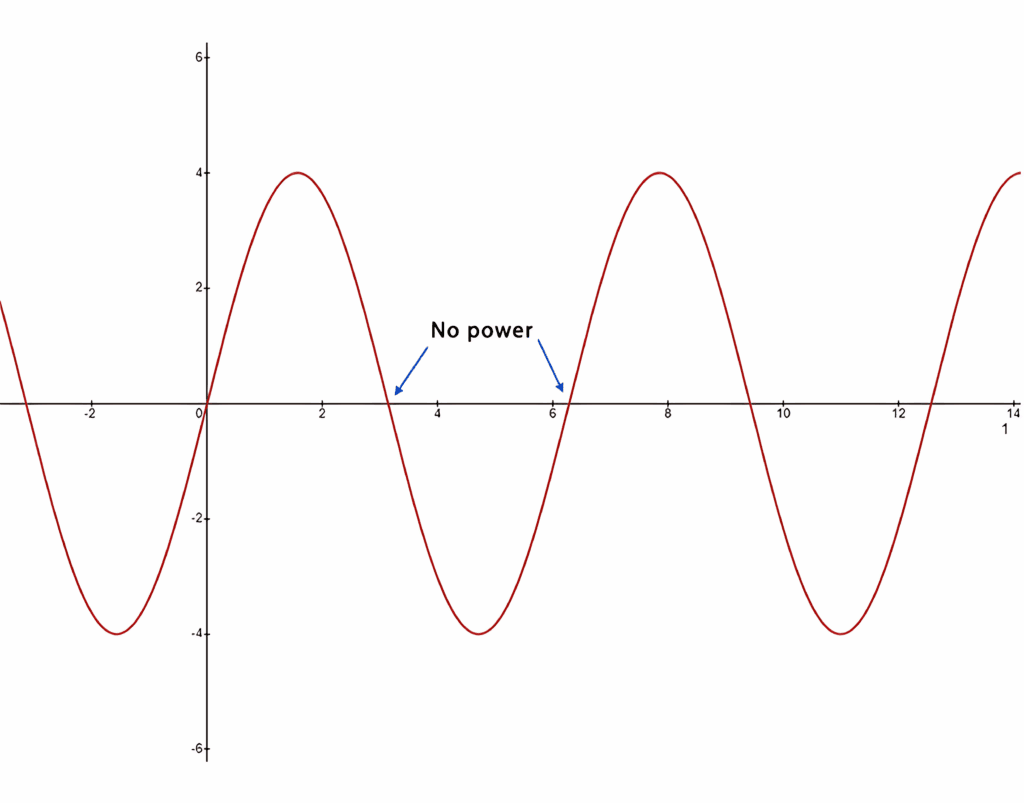
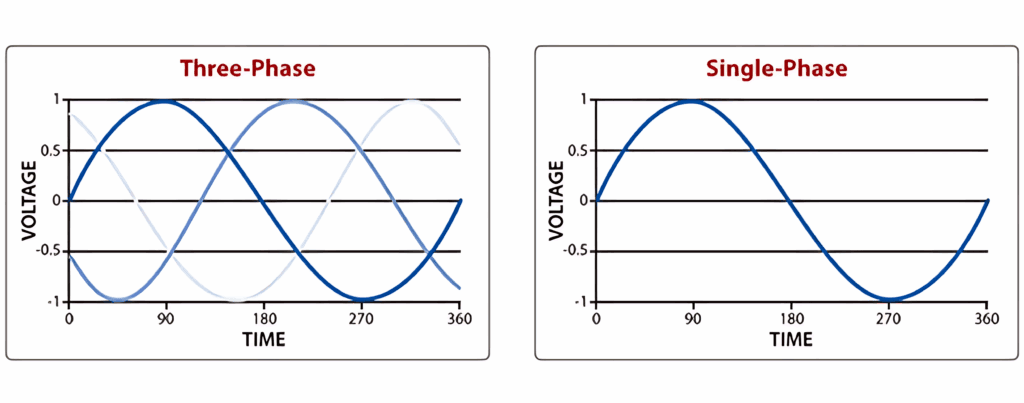
But here’s the thing. That voltage? It rises and falls. Sinusoidal pattern. Smooth but constantly changing. And because there’s only one waveform doing all the work, the actual power delivered? Yeah, it fluctuates. Dips and peaks with every cycle. Fine for lights and fridges. Not always ideal for heavier, more sensitive gear.
Which brings me to transformers. If you’re running single phase and need to step voltage up or down, you’re looking at a single phase transformer. Pretty straightforward. But pricing? That depends. An oil immersed transformer price, for example, varies quite a bit based on capacity and who’s building it. And if you’re sourcing for a project—especially something like an oil immersed distribution transformer—you want a solid oil immersed power transformer manufacturer. Not just for quality, but for support down the line.
Anyway. Back to the power itself. The fluctuation thing matters more than people realize.
Typical characteristics of single phase power include:
- Simple electrical infrastructure
- Lower installation cost
- Suitable for low power demand
The most common single phase voltage levels include:
- 120V (commonly used in North America)
- 220V–240V (commonly used in Asia, Europe, and many other regions)
The frequency of single phase power systems is typically 50 Hz or 60 Hz, depending on the country’s electrical grid standard. (IEEE Power Standards).
Single Phase Power Characteristics
Single phase systems? Simple. Cost-effective. That’s why they work for homes. You plug something in, it runs. Fine.
But here’s the thing—the waveform. It hits zero twice every cycle. So the power? Not continuous. Pulsates. For most household stuff, doesn’t matter. But if you need constant high power? Equipment can feel it. Motors might run rougher. Things can overheat. People don’t always realize until something fails.
Which is interesting because when you’re looking at transformers—say you’re sourcing from an oil immersed power transformer manufacturer—you have to match the system type. Single phase transformer for single phase power. Obvious, right? But sometimes people try to push it. Use single phase gear on three phase systems. Or vice versa. Doesn’t work that way.
Anyway. The pulsating thing. It’s just the nature of single phase. Fine for lights, small appliances, typical household loads. Just not built for heavy continuous draw.
Key characteristics include:
- Simple wiring structure
- Lower power transmission capacity
- Pulsating power output
- Suitable for light electrical loads
Single Phase Applications
Single phase electricity is mainly used for residential and small commercial applications.
Typical uses include:
- Household lighting systems
- Air conditioners
- Refrigerators
- Televisions and electronics
- Small office equipment
- Small retail stores
Since most household appliances operate with relatively low power consumption, single phase systems are sufficient for everyday residential electricity needs.
3.What Is Three Phase Power
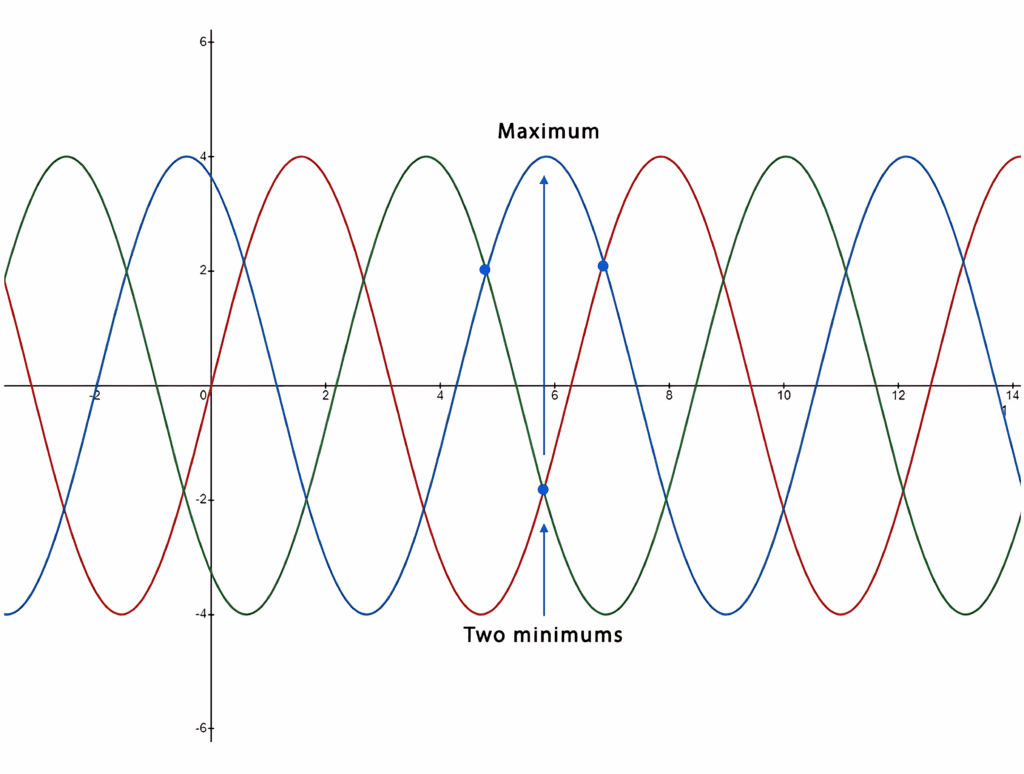
Three phase power is a type of electrical power distribution system that uses three alternating current waveforms that are offset from each other by 120 degrees.
A typical three phase system consists of:
- Three phase conductors (Phase A, Phase B, Phase C)
- Sometimes a neutral conductor
Because the three voltage waveforms are evenly spaced, the total power delivered to the load remains much more constant and stable compared to single phase systems.
This makes three phase power highly efficient for transmitting and distributing large amounts of electrical energy.
Three phase systems are widely used in:
- Industrial facilities
- Manufacturing plants
- Commercial buildings
- Power distribution networks
Three Phase Power Characteristics
Three phase is different. You’ve got three waveforms instead of one, all staggered—offset in time. So when one phase voltage dips? The others keep going. Power never drops to zero. Just keeps delivering. Continuous. Smooth.
Single phase, like we talked about? Hits zero twice a cycle. Power fluctuates. Three phase doesn’t have that problem.
And that matters more than people think. For heavy equipment, motors especially. The difference in how they run is noticeable. Smoother start. Less vibration. Just runs better.
Anyway. That continuous delivery—it’s the main thing. Always something coming through.
Key characteristics include:
- Higher power capacity
- More efficient energy transmission
- Stable and continuous power output
- Better performance for electric motors
- Reduced conductor material for the same power transmission
These characteristics make three phase systems ideal for powering heavy equipment and industrial machinery.
Three Phase Applications
Three phase power is commonly used in environments where large electrical loads and high efficiency are required.
Typical applications include:
- Industrial manufacturing equipment
- Large HVAC systems
- Water pumps and compressors
- Elevators and escalators
- Data centers and server facilities
- Large commercial buildings
Many heavy-duty electric motors are designed specifically to operate with three phase power because it provides smoother torque and better efficiency.
Three phase power systems often require high-capacity transformers for efficient power distribution. Our industrial transformers are designed to support stable and reliable power delivery.
View Three Phase Transformers →
4.Key Differences Between Single Phase and Three Phase Power
The main differences between single phase and three phase power lie in their electrical configuration, efficiency, and power capacity.
| Feature | Single Phase Power | Three Phase Power |
|---|---|---|
| Number of conductors | 1 phase + 1 neutral | 3 phases (+ optional neutral) |
| Power delivery | Pulsating | Continuous |
| Power capacity | Lower | Higher |
| Efficiency | Lower | Higher |
| Typical voltage | 120V / 230V | 380V / 400V / 415V |
| Applications | Residential | Industrial and commercial |
More power, less conductor material. That’s three phase in a nutshell. Single phase needs more copper to do the same job. So when you’re distributing power across a facility or a grid? Three phase wins. Just more efficient.
5.Advantages and Disadvantages
Advantages of Single Phase Power
Single phase power systems offer several benefits:
- Simple installation
- Lower equipment and wiring cost
- Easy maintenance
- Suitable for residential loads
However, they also have some limitations.
Disadvantages of Single Phase Power
- Limited power capacity
- Less efficient for heavy loads
- Power delivery fluctuates during each cycle
Because of these limitations, single phase systems are generally not suitable for industrial machinery.
Advantages of Three Phase Power
Three phase systems provide significant advantages for high-power applications:
- Higher transmission efficiency
- Continuous power delivery
- Suitable for large motors and industrial equipment
- Reduced vibration in motor operation
These benefits make three phase power the preferred choice for factories and commercial facilities.
Disadvantages of Three Phase Power
Despite its advantages, three phase power systems also have some drawbacks:
- Higher installation cost
- More complex electrical infrastructure
- Not necessary for small residential loads
For homes and small offices, the additional complexity is usually unnecessary.
6.Applications of Single Phase and Three Phase Power
The choice between single phase and three phase power mainly depends on power demand and application type.
Single phase systems are typically used in:
- Houses and apartments
- Small offices
- Shops and retail stores
Three phase systems are commonly used in:
- Industrial factories
- Manufacturing plants
- Large commercial buildings
- Data centers and infrastructure projects
As electrical demand increases, many commercial buildings upgrade from single phase to three phase systems to support larger equipment.
7.Single Phase vs Three Phase Transformers
Transformers are kind of the unsung heroes in all of this—whether it’s single phase or three phase.
You’ve got your single phase transformer. That’s the can on the pole outside a house. Takes the high voltage from the grid and steps it down to something you can actually plug your phone into. Standard for residential.
Then on the other side, you’ve got three phase transformers. Bigger. Industrial. Commercial buildings, factories—places that need higher capacity and stable voltage. That’s where these come in.
So when people talk about single phase vs three phase electricity, it usually comes down to what you’re powering. Single phase vs 3phase? Homes vs factories. Simple as that.
But here’s where it gets interesting—what if you’ve got three phase power available but single phase equipment? Or worse, single phase supply and a three phase machine? You look at single to three phase converter options. Or maybe reconfigure the setup. Depends on the situation.
Anyway. The transformer choice follows the system. Single phase transformer for single phase needs. Three phase for three phase. But understanding single phase vs three phase electricity helps you figure out which one you’re actually dealing with. And whether you need to convert.(Transformer Basics – NEMA).
Three phase transformers are commonly used in:
- Industrial power distribution
- Large manufacturing facilities
- Renewable energy systems
- Utility substations
They provide higher efficiency and are capable of handling much larger electrical loads compared to single phase transformers.
If you are planning a power distribution project, choosing the right transformer is critical for system efficiency and reliability.
We provide a wide range of transformers including oil-immersed transformers, dry-type transformers, and custom power solutions for industrial applications.

8.How to Choose the Right Power System
Selecting between single phase and three phase power depends on several factors.
Power demand
Low electricity demand can be supported by single phase systems, while high power loads require three phase electricity.
Equipment type
Household appliances work well with single phase power, while industrial machines and large motors usually require three phase supply.
Future expansion
Businesses planning for future growth may choose three phase power to accommodate increased electrical demand.
Installation cost
Single phase systems are generally cheaper to install, while three phase systems require more complex electrical infrastructure.
9.FAQ
What is the difference between single phase and three phase power?
Single phase power uses one alternating voltage waveform and typically consists of one phase wire and one neutral wire. Three phase power uses three voltage waveforms that are separated by 120 degrees. Because of this design, three phase systems deliver more stable and efficient power, making them ideal for industrial and commercial applications.
What is electrical single phase vs three phase supply?
A single phase electrical supply provides power using a single alternating current waveform and is commonly used in residential buildings. A three phase supply delivers electricity using three alternating currents that are offset in phase, allowing more consistent power delivery and higher load capacity for industrial equipment.
How to identify 240V single phase vs three phase power?
You can usually identify the type of power supply by checking the number of wires or the electrical panel configuration. A 240V single phase system typically has one phase conductor and one neutral wire. A three phase system normally includes three phase conductors and sometimes a neutral wire.
How to tell single phase vs three phase power?
The easiest way to tell the difference is by examining the electrical service panel or meter connection. Single phase systems usually have two main conductors, while three phase systems have three phase wires. Three phase systems are also commonly used in industrial buildings and large commercial facilities.
What is single phase power vs three phase power?
Single phase power delivers electricity through one sinusoidal voltage waveform, while three phase power uses three waveforms separated by 120 degrees. Because the three phase waves overlap, the total power delivered remains more constant, resulting in higher efficiency and smoother operation for electrical equipment.
Why choose three phase vs single phase power?
Three phase power is preferred when higher efficiency, larger power capacity, and stable energy delivery are required. It is commonly used in factories, data centers, and commercial buildings where heavy electrical loads or large electric motors need continuous power supply.
10.Conclusion
Single phase and three phase power systems serve different purposes in modern electrical infrastructure.
Single phase power is simple, cost-effective, and ideal for residential and small commercial applications. In contrast, three phase power provides higher efficiency, greater power capacity, and more stable energy delivery, making it the preferred solution for industrial and large commercial operations.
Understanding the differences between these two power systems helps engineers, electricians, and business owners choose the right electrical solution based on their power requirements and application needs.
Selecting the right power system is essential for stable and efficient electricity distribution. If you are looking for high-quality transformers for your power project, our team can help you choose the right solution.
Contact Us for Transformer Solutions →
Need reliable transformers for your power system?
Our factory supplies oil immersed transformers, dry type transformers, and customized power distribution solutions for global projects.