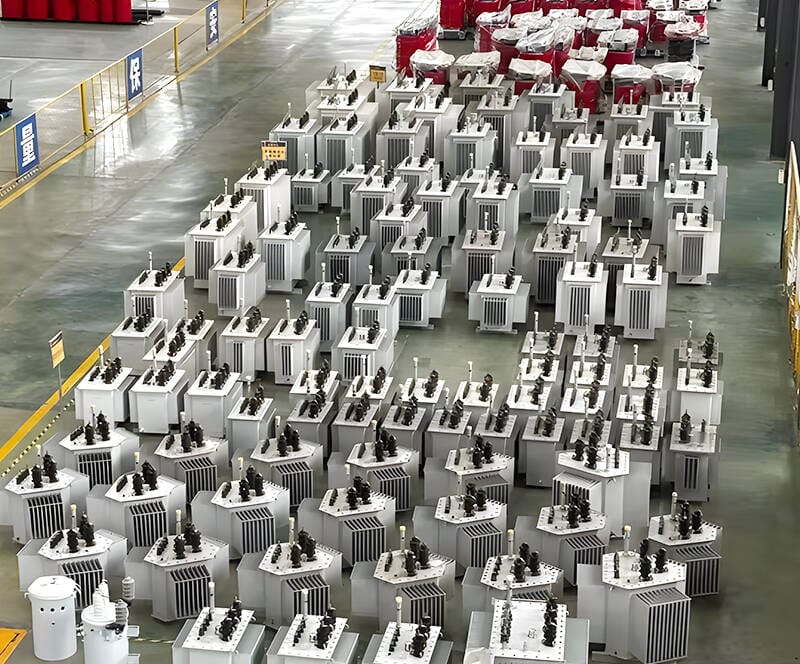
Regulardry type transformer maintenanceis essential to ensure reliable performance, long service life, and safety in power distribution systems. Unlike oil-filled units,dry transformersrequire specific care procedures such as periodicinspection, cleaning, and testingto prevent dust accumulation, overheating, or insulation failure. By following a structuredmaintenance plan—includingpreventive servicingand timelyrepairs—facility managers can minimize downtime and extend the lifespan ofcast resinأوair-cooled dry type transformers. This guide outlines best practices, inspection schedules, and proven tips for efficientdry type transformer servicing.
TOC
I. Introduction to Dry-Type Transformer Maintenance
II. What Is a Dry-Type Transformer? (Quick Definition)
III. Key Components of a Dry-Type Transformer
IV. Comprehensive Dry-Type Transformer Maintenance Checklist
V.Routine and Periodic Maintenance Schedule for Dry-Type Transformers
VI. Annual Maintenance Tasks for Dry-Type Transformers
VII. Long-Term Maintenance Strategies for Dry-Type Transformers
VIII. Professional vs. In-House Maintenance
IX. Why Choose High-Quality Dry-Type Transformers
I. Introduction to Dry-Type Transformer Maintenance
Dry-type transformers play a crucial role in modern electrical distribution systems, delivering safe, stable, and efficient power for a wide range of commercial, industrial, and utility applications. Unlike oil-immersed transformers, a dry-type transformer uses air or epoxy resin as its primary insulation medium, making it a safer and more environmentally friendly device. Because there is no insulating oil inside the tank, the risk of fire, leaks, and hazardous environmental contamination is significantly lower. As a result, dry-type transformers have become a preferred solution for indoor installations, high-rise buildings, data centers, medical facilities, educational institutions, and densely populated urban environments. Regular cleaning of the transformer helps maintain its insulation performance and prevents dust accumulation that could affect operation.
Dry-type transformers are widely used in commercial, industrial, and renewable energy applications due to their safety, reliability, and low-maintenance design. Performing routine dry type inspections is essential to detect early signs of wear, overheating, or insulation issues. When faults occur, timely transformer repairs ensure continuous operation and prevent costly downtime, extending the service life of the equipment.
Practical Guide to Dry-Type Transformer Maintenance for Reliable Operation
A structured dry-type transformer maintenance checklist ensures optimal operation. Routine tasks such as cleaning, ventilation checks, and dust removal prevent blocked airflow and overheating, while advanced diagnostics like partial discharge testing help identify hidden issues early. Proactive maintenance reduces operational costs, extends transformer lifespan, and ensures stable power delivery.
Safety is critical, especially in enclosed spaces where poorly maintained transformers may develop hotspots, arcing, or insulation failure, posing fire risks. Regular maintenance also supports regulatory compliance, auditing, and adherence to electrical codes.
As renewable energy and high-demand applications expand, reliable transformer performance is more important than ever. This guide equips engineers and facility managers with practical steps to maintain dry-type transformers, ensuring safe, efficient, and long-lasting operation.
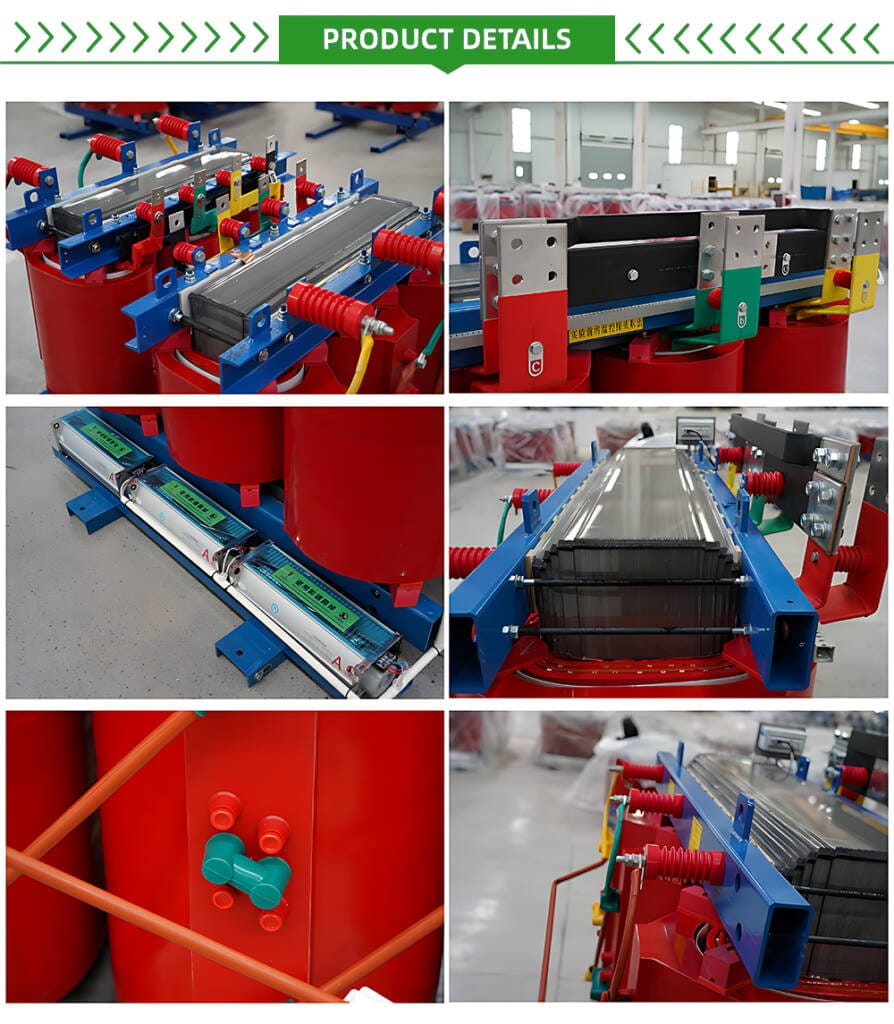
II. What Is a Dry-Type Transformer? (Quick Definition)
A dry-type transformer, often referred to as a “dry transformer” or “dry-type distribution transformer,” is an electrical transformer that uses air أو solid insulation materials—such as epoxy resin—to cool and insulate its windings. Unlike traditional oil-immersed transformers that rely on mineral oil for heat dissipation, a dry-type transformer operates without any liquid coolant. This unique design offers significant advantages in safety, environmental protection, and indoor installation suitability.
To understand dry-type transformer maintenance, it is essential to first understand what a dry-type transformer is and how it works. At its core, this transformer consists of magnetic cores, high-voltage windings, low-voltage windings, insulation structures, ventilation channels, and a protective enclosure. During operation, electrical energy is transferred through electromagnetic induction between the HV and LV windings, just like any other electrical transformer. However, the absence of oil fundamentally changes the transformer’s cooling method and structural requirements. Understanding these characteristics helps technicians perform timely transformer repairs and maintain reliable operation over the transformer’s service life.
Types of Dry-Type Transformers
Dry transformers generally fall into two main categories:
1. Cast Resin Dry-Type Transformer (CRDT)
This is the most widely used type of dry transformer today.
- The HV windings are encapsulated in epoxy resin, forming a solid block.
- This resin coating protects the winding from moisture, dust, and corrosive particles.
- CRDT transformers are widely used in indoor environments with high humidity or contamination risks.
They are highly resistant to short circuits, thermal stresses, and mechanical vibration, making them ideal for data centers, hospitals, laboratories, and commercial buildings.
2. VPI (Vacuum Pressure Impregnated) Dry Transformer
In this design, the windings are impregnated with varnish through a vacuum-pressure cycle.
- The insulation is not as solid as cast resin, but still highly reliable.
- These transformers offer excellent mechanical strength and heat dissipation.
- VPI dry-type transformers are commonly used in industrial plants, manufacturing facilities, and HVAC systems.
Both types serve different applications but share the same safety-driven, oil-free characteristics that make dry-type transformers popular in modern electrical infrastructure.
Dry-Type Transformers vs. Oil-Immersed Transformers
Users often search phrases like dry-type transformer vs oil transformer أو dry transformer definition, so it is important to clearly differentiate the two.
| ميزة | محول من النوع الجاف | Oil-Immersed Transformer |
|---|---|---|
| طريقة التبريد | Natural Air / Forced Air | Mineral Oil / Synthetic Oil |
| Fire Risk | قليل | متوسطة إلى عالية |
| Maintenance Needs | Lower, but sensitive to dust/humidity | Higher, includes oil testing |
| Indoor Use | Excellent | Requires fire safety measures |
| Environmental Risk | Zero oil leakage | Possible oil spills |
| يكلف | Slightly higher | معتدل |
This comparison highlights why dry-type transformers are especially suitable for indoor power rooms, commercial buildings, renewable energy systems, and safety-critical environments.
Why Dry-Type Transformers Are Popular Today
The demand for dry-type transformers has surged in recent years due to several industry trends:
- Increased focus on fire safety in public infrastructure
- Growth of renewable energy, especially solar and hybrid microgrids
- Rising need for low-maintenance transformers in urban facilities
- Stricter environmental regulations restricting oil-filled equipment
- Growing adoption of smart buildings and digital monitoring systems
Because dry-type transformers can be installed close to load centers, they help improve energy efficiency and reduce power losses across commercial and industrial facilities.
Applications of Dry-Type Transformers
Dry-type transformers are deployed across a wide range of sectors, proving their versatility and reliability:
- Commercial buildings and shopping malls
- Airports and railway stations
- Manufacturing factories and workshops
- Hospitals and public institutions
- مراكز البيانات ومرافق تكنولوجيا المعلومات
- Residential complexes and smart buildings
- Renewable energy stations (solar, wind, BESS systems)
- Mining and offshore facilities
- Schools, universities, and laboratories
The ability to install dry transformers inside buildings without additional fire barriers significantly reduces construction costs and enhances system safety.
Why Understanding the Structure Helps Improve Maintenance
Before performing dry-type transformer maintenance, maintenance teams must understand the internal construction of the equipment:
- Air-cooled design → sensitive to dust and blocked airflow
- Epoxy resin insulation → resistant to moisture but sensitive to overheating
- No oil → no need for oil testing, but requires attention to temperature and cleanliness
- Exposed windings in some models → requires regular visual inspections
Knowing these structural characteristics helps engineers detect early warning signs during inspections, plan preventive maintenance schedules, and ensure long-term electrical reliability.
III. Key Components of a Dry-Type Transformer
To perform effective dry-type transformer maintenance, it is crucial to understand the main components that make up the equipment. Each part plays a critical role in delivering safe, efficient, and stable electrical energy. Because dry transformers operate without oil, their cooling, insulation, and structural requirements differ significantly from those of oil-immersed transformers. Performing routine dry type inspections allows engineers and technicians to identify potential issues early and maintain the equipment in optimal condition.
Below is a detailed overview of the key components commonly found in a dry-type transformer, including both cast resin and VPI (Vacuum Pressure Impregnated) designs. These components collectively determine the transformer’s performance, reliability, insulation strength, and lifespan.
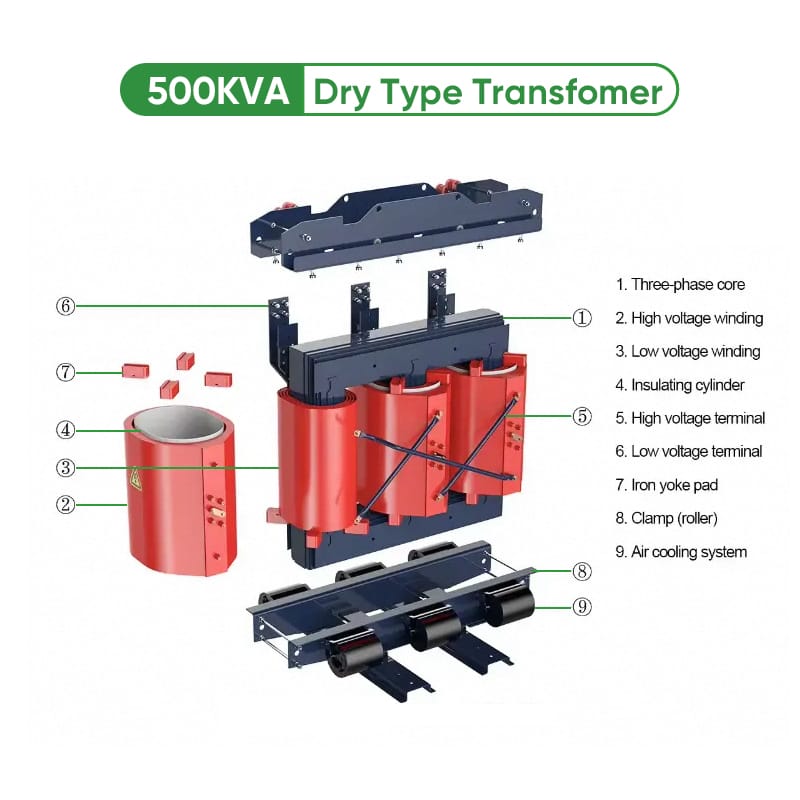
1. النواة المغناطيسية
The magnetic core is the heart of every dry transformer. It is made of laminated silicon steel sheets designed to reduce eddy current losses and improve magnetic efficiency. The core’s main function is to provide a controlled path for magnetic flux during energy transfer between the high-voltage (HV) and low-voltage (LV) windings.
Key considerations for the magnetic core include:
- Material: High-quality silicon steel or grain-oriented steel
- Loss reduction: Laminated structure minimizes core losses (no-load losses)
- Mechanical structure: Must withstand electrical and mechanical stress
- Noise levels: Poor maintenance or loose core bolts can increase humming sounds
During maintenance, technicians often inspect the core for discoloration, unusual vibrations, corrosion, or signs of overheating—issues that may indicate misalignment or insulation deterioration.
2. High-Voltage (HV) and Low-Voltage (LV) Windings
The HV and LV windings are responsible for voltage transformation. These windings are typically made from copper or aluminum conductors, depending on the design and application. In dry-type transformers, the windings are exposed or resin-encapsulated, depending on whether the model is cast resin or VPI.
2.1 HV Windings
- Designed to withstand high electrical stress
- Often fully encapsulated in epoxy resin for insulation and protection
- Require precise insulation spacing to prevent partial discharge
2.2 LV Windings
- Typically designed with foil windings or layered conductors
- Must handle high current while maintaining low temperature rise
- Must remain clean and free from mechanical damage
Maintenance teams should check for discoloration, resin cracking, hotspots, and surface contamination—especially in dusty or humid environments.
3. Insulation System
The insulation system is one of the most critical components of any dry transformer. Because there is no oil for cooling or insulating, dry-type transformers rely entirely on air, epoxy resin, varnish, or insulating materials to maintain dielectric strength.
Different insulation approaches include:
Cast Resin (Epoxy) Insulation
- HV windings fully encapsulated in resin blocks
- Excellent moisture resistance
- High mechanical and thermal durability
- Ideal for harsh or humid environments
VPI (Vacuum Pressure Impregnation) Insulation
- Windings treated with varnish under vacuum conditions
- Provides strong mechanical bonding
- Suitable for industrial environments and moderate humidity
Why insulation integrity matters:
- يمنع انهيار العزل الكهربائي
- Reduces risk of partial discharge
- Maintains long-term transformer reliability
- Ensures stable temperature performance
During inspections, teams look for signs of cracks, surface tracking, moisture marks, or resin deformation—all early indicators of insulation deterioration.
4. Cooling and Ventilation System
One of the defining characteristics of a dry-type transformer is its air-cooled design. Cooling is achieved through natural air (AN) or forced air (AF/FA) ventilation systems, with fans used for higher load conditions.
Cooling methods include:
- AN (Air Natural): Standard natural air circulation
- AF/FA (Air Forced): Fans installed to increase load capacity
- Self-ventilated design: Built-in air channels around windings
- External ventilation: Airflow from ventilation rooms or ducts
Because dry-type transformers depend heavily on airflow, the cooling system is especially sensitive to:
- Dust buildup
- Blocked ventilation paths
- ارتفاع درجة الحرارة المحيطة
- Inadequate air circulation
Maintaining clean airflow is one of the most important steps in dry transformer maintenance.
5. Temperature Monitoring Devices
To protect the transformer from overheating, various thermal monitoring components are installed:
- RTDs (Resistance Temperature Detectors)
- Thermostats
- Digital temperature controllers
- PTC thermistors
- Over-temperature alarms and trip relays
These sensors continuously monitor winding temperatures and activate alarms or protective shutdowns when abnormal conditions are detected. A faulty temperature monitoring device can lead to severe overheating and insulation damage, making regular testing essential.
6. Transformer Enclosure
The enclosure houses and protects the internal components of the transformer. Dry-type transformer enclosures vary depending on the installation site and environmental requirements.
Typical enclosure designs include:
- Ventilated enclosures (NEMA 1, NEMA 2) for indoor areas
- Non-ventilated or sealed enclosures for dusty or corrosive sites
- IP-rated enclosures for harsher environments
- Sound-reducing cabinets for noise-sensitive locations
A well-designed enclosure ensures mechanical protection, airflow management, and environmental safety. Maintenance often focuses on checking for debris, rust, blocked vents, and structural integrity.
7. Terminal Board and Busbars
Dry-type transformers use insulated busbars and terminal connections to deliver power safely. These conductors must withstand high current and maintain tight, stable connections during operation.
Maintenance tasks for terminal systems include:
- Inspecting connection tightness
- Checking for overheating marks
- Ensuring insulation sleeves and barriers are intact
- Measuring contact resistance periodically
Loose terminals are one of the most common causes of dry transformer failures.
8. Protection and Control System
Dry transformers often include additional protection features such as:
- مانعات الصواعق
- Temperature alarms
- Fan control systems
- Overload protection
- Grounding structures
These systems help maintain stable operation and respond to abnormal conditions automatically.
IV. Comprehensive Dry-Type Transformer Maintenance Checklist
Maintaining a dry-type transformer requires a structured, methodical approach. Because these transformers rely on air insulation و air cooling, they are more sensitive to dust, humidity, and airflow conditions than oil-immersed units. A detailed maintenance checklist helps engineers conduct inspections efficiently, detect abnormalities early, and ensure long-term operational reliability.
This comprehensive dry transformer maintenance checklist covers visual inspections, electrical testing, cleaning procedures, temperature monitoring, airflow analysis, and structural evaluation. It applies to both medium voltage dry-type transformers و low voltage dry transformers, including cast resin and VPI models.
1. Visual Inspection
A proper maintenance routine always begins with a thorough visual inspection. This step helps detect early warning signs before electrical testing even begins. In many cases, visual abnormalities are the first indicators of a deeper problem.
Key inspection points:
- Surface Condition
Check the windings, core, and enclosure for dust, stains, discoloration, or other visible damage. - Cracks in Resin or Insulation
For cast resin dry transformers, look for microcracks, delamination, or bubbles on the epoxy surface—these may indicate thermal stress or aging. - Signs of Overheating
Discoloration, melted insulation, burnt smell, resin deformation, or brown/black marks are early indicators of winding hotspots. - Mechanical Damage
Inspect for deformation, corrosion, loose fasteners, cracked support beams, or rust inside the enclosure. - Foreign Objects
Remove insects, debris, packaging materials, and metallic objects that may obstruct airflow or cause arcing.
Why visual inspection matters:
Many transformer failures start with physical deterioration. A 10-minute check can prevent costly unplanned downtime and identify heat-related damage before electrical failure occurs.
2. Cleaning and Dust Removal
Because dry transformers operate without oil, their cooling performance relies heavily on unblocked airflow. Dust buildup is one of the most common—and easily preventable—causes of overheating. Dust acts as insulation, trapping heat and reducing the efficiency of natural or forced air cooling.
Recommended cleaning procedures:
- Use vacuum cleaners or low-pressure air blowers to remove loose dust and debris.
- Wipe surfaces with a clean, dry, lint-free cloth.
- Avoid liquid cleaning agents that may affect insulation.
- Clean ventilation grilles, air ducts, and cooling fans.
- Inspect surrounding walls, rooms, and equipment for dust accumulation that could spread to the transformer.
Areas requiring special attention:
- Resin-coated HV windings
- Terminal boards
- Air channels between coils
- Cooling fans and finger-safe screens
- Enclosure vents and filters
Maintenance tip:
In industrial facilities such as cement factories, textile plants, mining sites, or woodworking shops, cleaning should be performed monthly instead of quarterly.
3. Temperature Monitoring and Thermal Protection
Temperature monitoring is one of the most important aspects of dry transformer maintenance. Unlike oil transformers—where oil helps absorb heat—dry transformers have no thermal buffer. Excessive heat directly stresses the insulation system and reduces the transformer’s lifespan.
Temperature-related inspection items:
- Check RTD sensors for accuracy and calibration.
- Inspect PTC thermistors for proper functionality.
- Confirm that temperature indicators, gauges, or digital monitors display correct readings.
- Verify the functionality of over-temperature alarms and trip signals.
- Compare real-time readings with manufacturer-specified maximum temperatures.
Common causes of overheating:
- Blocked ventilation system
- Overloading beyond transformer rating
- ارتفاع درجة الحرارة المحيطة
- Poor room ventilation
- Fan or sensor failure
- Loose electrical connections causing localized heating
Signs of temperature-related damage:
- Resin discoloration
- Cracks or soft spots on epoxy surface
- شيخوخة العزل
- Odor indicating heat stress or chemical breakdown
Why thermal monitoring is essential:
Every 10°C increase above the recommended operating temperature can خفض عمر العزل إلى النصف, making temperature management a critical part of transformer maintenance.
4. Ventilation and Airflow Assessment
Dry-type transformers depend entirely on airflow for cooling, especially units installed in enclosed rooms or compact electrical substations. A blocked or poorly designed ventilation system can quickly cause high temperature rise, leading to performance degradation and insulation failure.
Airflow inspection checklist:
- Ensure all ventilation openings are clear and unobstructed.
- Check for debris blocking ventilation louvers or air filters.
- Measure room temperature and confirm it meets installation standards (typically < 40°C).
- Verify that forced-air cooling systems (fans) operate properly.
- Inspect airflow paths between windings to ensure air channels are not obstructed by dust.
Room ventilation considerations:
Transformers installed in small, poorly ventilated rooms must have:
- Adequate air circulation
- Functional exhaust systems
- Sufficient clearance around the transformer
- Regular monitoring of ambient conditions
High humidity, corrosive air, or elevated ambient temperature can significantly reduce insulation performance and accelerate resin aging.
5. Electrical Connections and Terminals
Loose or oxidized connections are a leading cause of dry-type transformer failures. Because air insulation exposes terminals to environmental conditions, maintenance teams must regularly inspect connection points for signs of wear, overheating, or corrosion.
Checklist for terminals and busbars:
- Tighten all mechanical connections and lug screws.
- Inspect for corrosion, rust, or oxidation on conductive parts.
- Look for heat marks that indicate excessive resistance.
- Check the condition of insulating barriers and sleeving.
- Measure contact resistance using suitable instruments if required.
Consequences of loose connections:
- Localized heating
- Increased electrical resistance
- Reduced efficiency
- Risk of arcing or fire
- Premature failure of windings or terminals
Proper torque levels must be applied according to the transformer manufacturer’s technical manual.
6. Insulation Condition Assessment
The insulation system is the backbone of any dry-type transformer. Whether the transformer uses epoxy resin cast coils أو VPI varnish insulation, maintaining insulation integrity is essential for long-term performance.
Key steps for insulation inspection:
- Check cast resin surfaces for cracks, bubbling, delamination, or chalking.
- Look for moisture or condensation, especially in humid environments.
- Inspect insulation barriers, spacers, and insulating boards for deformation.
- Examine coil surfaces for dust accumulation, stains, or chemical residues.
- Test insulation resistance (if required) using approved testing equipment.
Common insulation issues include:
- Thermal aging leading to cracking
- Surface tracking due to contamination
- Moisture infiltration in poorly ventilated areas
- Partial discharge marks on insulation surfaces
Importance of insulation evaluation:
Damaged insulation is one of the main causes of short circuits and transformer failure. Early detection prevents catastrophic faults and extends equipment lifespan.
7. Core and Coil Structure Inspection
The core and coil assembly is responsible for voltage transformation. Any mechanical deformation or abnormal heating can significantly impact the transformer’s efficiency and safety.
Checklist for core and coil inspection:
- Inspect the core laminations for rust, discoloration, or hotspots.
- Ensure core bolts and clamps are tight and free from corrosion.
- Examine coil alignment to ensure no shifting or mechanical stress is present.
- Check for deformation caused by short circuits or mechanical vibration.
- Look for signs of winding movement or expansion stress.
Why structural inspection matters:
Mechanical issues can reduce magnetic efficiency, cause noise, or even result in insulation failure. Regular inspection helps ensure that core losses remain low and coils remain safely supported.
8. Protection System and Control Circuit Check
Modern dry-type transformers often include multiple safety features designed to detect abnormal conditions such as overheating, overloads, and short circuits. Ensuring these systems are functioning properly is critical for preventing failures.
Protection system checklist:
- Test temperature sensors, RTDs, and thermistors for correct operation.
- Verify alarm and trip circuits for over-temperature protection.
- Inspect fan control systems, relays, and automatic temperature switches.
- Confirm surge arresters are in place and functioning well.
- Check grounding connections for continuity and proper installation.
Common issues found in protection devices:
- Faulty thermal sensors
- Inoperative cooling fan controls
- Loose relay wiring
- Corroded grounding terminals
A malfunctioning protection device can prevent timely shutdowns and allow overheating damage to progress unnoticed.
9. Electrical Testing and Diagnostics
Electrical testing is essential for evaluating transformer condition beyond visual inspection. These tests help detect insulation weaknesses, winding issues, and emerging failures.
Recommended electrical tests:
- Insulation Resistance Test (IR Test):
Measures the quality of insulation and moisture presence. - Winding Resistance Test:
Detects loose connections, conductor damage, or imbalance. - Turns Ratio Test (TTR):
Confirms that the winding ratio matches the original specifications. - Thermal Imaging Scan:
Identifies hotspots in coils, terminals, and busbars. - Partial Discharge Test (if applicable):
Helps detect early-stage insulation problems in resin cast coils.
Testing frequency:
- Critical facilities: Semi-annually
- Standard industrial applications: Annually
- Light commercial installations: Every 12–18 months
Electrical diagnostics help identify emerging issues long before they result in unexpected shutdowns.
10. Noise and Vibration Assessment
Abnormal noise or vibration often indicates internal mechanical issues. While dry-type transformers naturally produce a magnetic hum, sudden changes in sound level or vibration intensity should be investigated immediately.
What to check:
- Increased humming sound from the core
- Rattling or vibrating enclosures
- Loose mounting bolts or misaligned coils
- Structural resonance from surrounding equipment
- Noise caused by high harmonic loads
Why this is important:
Noise or vibration is often an early sign of:
- Core bolt loosening
- Winding deformation
- Mechanical stress from short circuits
- Magnetic flux imbalance
Ignoring these symptoms can lead to insulation damage or mechanical failure.
11. Maintenance Recordkeeping and Reporting
Proper documentation is a critical, yet often overlooked, part of dry transformer maintenance. Keeping detailed records helps track performance trends and ensures compliance with safety regulations.
What to document:
- Date of inspection
- Cleaning and maintenance performed
- Electrical test results
- Measured temperatures
- Any abnormalities found
- Corrective actions taken
- Photos of damaged or repaired parts
Why records matter:
- Supports audits and regulatory compliance
- Helps predict failure patterns
- Assists in planning preventive maintenance
- Reduces long-term operating costs
Facilities with professional documentation typically achieve longer transformer lifespans and fewer unexpected outages.
12. Summary Checklist for Quick Use
Below is a simplified summary for daily or weekly inspections:
Daily/Weekly Quick Checklist
- No unusual noise or vibration
- Temperature within normal range
- Fans functioning properly
- No visible damage or discoloration
- Room ventilation unobstructed
Monthly/Quarterly Checklist
- Clean dust from coils and enclosure
- Inspect terminals for tightness
- Check airflow channels and ventilation grilles
- Review temperature monitoring device operation
Annual Checklist
- Perform full electrical testing
- Inspect insulation integrity in detail
- Evaluate protection and control systems
- Carry out thermal imaging
- Update maintenance logs
V. Routine and Periodic Maintenance Schedule for Dry-Type Transformers
Routineوperiodic maintenance schedulesare essential fordry-type transformersto prevent failures, extend service life, and ensure reliable operation. This section outlines frequency-based plans, coveringkeywordslike “dry-type transformer maintenance schedule,” “routine dry transformer servicing,” and “periodic inspections.”
Daily/Weekly Quick Checks
These basic tasks require minimal tools and can be done by on-site staff, targeting “daily dry transformer inspections” and “weekly preventive checks.”
- Visual Inspection: Scan the enclosure, coils, and fans for overheating, unusual noise, vibration, or dust buildup—critical for air-cooled dry-type units.
- Temperature Monitoring: Use infrared thermometers to check hotspots and ensure winding temperatures stay within limits to avoid insulation degradation.
- Environmental Verification: Confirm no corrosive gases or blockages affect ventilation.
Perform weekly to catch issues like poor airflow early.
Monthly Maintenance Tasks
Focus on cleaning and electrical checks for “monthly dry-type transformer cleaning” and “dust removal schedules,” ideal for industrial settings.
- Thorough Dust Removal: Vacuum windings, enclosure, and vents with dry compressed air; prioritize epoxy surfaces on cast-resin dry transformers.
- Connection Tightening: Inspect and secure terminals and leads to prevent arcing or hotspots.
- Insulation Testing: Measure resistance with a megger (>100MΩ typical) and verify cooling paths.
Takes 1-2 hours; log data for trends in your “preventive maintenance routine.”
Quarterly Inspections
Deeper checks for “quarterly dry transformer inspections” and “scheduled servicing,” using instruments.
- Structural Examination: Inspect core, windings, and cooling systems for cracks, contamination, or damage.
- Protection Device Testing: Validate RTDs, alarms, and grounding under load.
- Performance Logging: Measure no-load current, noise, and analyze historical data for predictions.
Shorten to bi-monthly in humid or dusty environments.
Frequency Adjustments Table
Tailor plans by environment for a practical “dry-type transformer preventive maintenance guide.”
| Environment Type | Recommended Interval | Key Tasks Example | KeywordExamples |
|---|---|---|---|
| Clean Indoor (e.g., offices) | Monthly/Quarterly | Dusting, ventilation | Routine dry transformer checks |
| Dusty Industrial/Outdoor | Bi-monthly | Frequent cleaning, scans | Frequent dry-type cleaning |
| Humid/High-Load | Every 6 weeks | Insulation tests, RTD calibration | Intensive preventive servicing |
This table draws from industry standards to customize “dry transformer maintenance frequency.”
Following thisschedulecan reduce downtime by over 30%, integrating with Section IV’s checklist for a full system. Use amaintenanceapp for logging efficiency.
VI. Annual Maintenance Tasks for Dry-Type Transformers
Annual maintenance represents the most comprehensive and technical level of inspection in a dry-type transformer maintenance program. While monthly and quarterly tasks focus on cleanliness, temperature trends, connection integrity, and operational behavior, annual inspections evaluate the deeper electrical, mechanical, and structural health of the transformer. These procedures help determine whether the transformer is aging as expected, developing hidden defects, or experiencing stress that requires corrective action.
Annual maintenance is especially important for medium-voltage dry-type transformers installed in industrial facilities, large commercial buildings, substations, renewable energy systems, mining plants, and any environment where prolonged high load or harsh ambient conditions accelerate equipment wear.
An annual inspection typically involves partial disassembly, advanced diagnostic testing, and a detailed evaluation of insulation, windings, core condition, electrical performance, and mechanical alignment.
1. Conduct a Comprehensive Shutdown Inspection
Unlike monthly or quarterly checks, annual maintenance often requires a controlled shutdown of the transformer. This allows technicians to safely access internal components, verify structural integrity, and perform tests that cannot be conducted under live conditions.
During the shutdown inspection, the following tasks are performed:
- Checking all internal components for wear, damage, discoloration, or deformation
- Removing protective barriers to access the core and windings
- Inspecting busbars, terminal chambers, and insulating supports
- Cleaning built-up debris from areas not reachable during regular maintenance
- Inspecting internal wiring for aging, cracking, or heat exposure
- Reviewing all safety labels and updating warning signs if necessary
A shutdown inspection provides the highest level of diagnostic accuracy and ensures that any hidden risks are identified before they escalate.
2. Perform Advanced Electrical Testing and Diagnostics
Annual maintenance requires high-level electrical testing that goes beyond routine insulation checks. These diagnostic tests provide deep insight into the transformer’s electrical condition, material aging, and internal stress patterns.
a. Insulation Resistance and Polarization Index (PI) Test
While insulation resistance is checked monthly, the annual test includes a more detailed evaluation using the PI test.
The PI ratio compares 10-minute IR readings with 1-minute IR readings and reveals insulation health trends such as:
- Moisture absorption
- Contamination buildup
- شيخوخة العزل
- Resin micro-cracks
- Reduced dielectric strength
A declining PI value indicates deteriorating insulation and may require cleaning, drying, or further investigation.
b. Turns Ratio (TTR) Test
The TTR test verifies the electrical relationship between primary and secondary windings.
This test detects:
- Winding deformation
- Shorted turns
- Open turns
- Incorrect tap settings
- Magnetic circuit abnormalities
A deviation from expected ratio values signals potential winding damage.
c. Power Factor (Dissipation Factor) Test
The power factor test measures insulation dielectric losses.
High power factor readings suggest:
- Contaminated insulation surfaces
- دخول الرطوبة
- Resin voids
- Insulation tracking or cracking
This test is one of the most accurate indicators of long-term insulation health.
d. Partial Discharge (PD) Analysis
Annual PD analysis is recommended for cast resin transformers and medium-voltage installations.
PD activity reveals:
- Internal voids
- Surface tracking
- Resin delamination
- Weak insulation points
- Localized dielectric stress
A rising PD trend warns of early-stage insulation breakdown.
3. Inspect Core, Windings, and Structural Components in Detail
The internal structure of the transformer must be closely evaluated once a year. This ensures the magnetic circuit and windings remain stable and mechanically aligned.
Technicians inspect:
- Core laminations for rust, looseness, or delamination
- Core grounding straps for continuity and secure connections
- Windings for discoloration, surface cracking, deformation, or swelling
- Resin encapsulation for signs of blistering, stress fractures, or overheating
- Coil supports and spacers for mechanical fatigue
- Tie rods and clamps for proper tension
Signs of overheating—such as darkening, odor, or resin discoloration—indicate overloading or inadequate cooling and must be addressed immediately.
4. Evaluate the Temperature Monitoring and Protection System
As transformers age, thermal monitoring devices may drift from calibrated accuracy. Annual testing ensures temperature sensors, controllers, and alarms function as designed.
The inspection includes:
- Verifying the accuracy of PT100 or NTC sensors
- Testing fan activation temperatures
- Checking digital thermometer calibration
- Confirming alarm and trip functionality
- Testing communication modules for remote monitoring systems
- Reviewing event logs for abnormal temperature spikes
Accurate temperature monitoring is essential for protecting Class F and Class H insulation systems from accelerated thermal aging.
5. Assess Ventilation System and Airflow Path
Annual maintenance includes a full inspection and cleaning of ventilation paths, including:
- Air intake louvers
- Exhaust openings
- Fan cages and guards
- Filter housing assemblies
- Heat dissipation surfaces
- Enclosure airflow channels
If airflow is restricted, winding temperature rises even under normal load. Annual ventilation assessment prevents thermal overload and ensures efficient heat dissipation.
6. Perform Structural and Mechanical Alignment Checks
Mechanical stability affects long-term reliability, especially for transformers exposed to vibration, seismic activity, or constant load fluctuations.
Annual mechanical checks include:
- Verifying alignment of the core and coil assembly
- Checking for mechanical deformation due to thermal stress
- Measuring vibration levels with specialized instruments
- Inspecting mounting frames for corrosion or metal fatigue
- Ensuring anti-vibration pads remain effective
- Tightening structural bolts according to manufacturer torque values
Misalignment or loose support structures can lead to increased noise, overheating, or mechanical failure.
7. Review Load Behavior and Conduct a Power Quality Audit
Transformer load analysis is an essential annual task, providing insight into how the transformer has been stressed throughout the year.
The analysis review includes:
- Annual load curve comparison
- Overload event frequency
- Harmonic distortion from nonlinear loads
- Power factor variations
- Voltage imbalance between phases
- Impact of added machinery or equipment
If the transformer frequently reaches thermal limits, derating or system upgrades may be required.
8. Review Protection Coordination and Relay Settings
Changes in load demand, new equipment installations, and updated safety requirements may necessitate annual protection coordination adjustments.
This step includes:
- Reviewing relay settings
- Testing breaker tripping curves
- Verifying transformer inrush protection
- Ensuring settings align with upstream HV switchgear
- Checking coordination between LV breakers and secondary load circuits
Proper coordination prevents nuisance tripping and ensures reliable system protection.
9. Comprehensive Documentation and Long-Term Maintenance Planning
Annual maintenance concludes with detailed documentation, including:
- Electrical test results
- Thermal imaging comparisons
- Load analysis charts
- Insulation condition reports
- Maintenance logs
- Corrective action recommendations
- Predictive maintenance scheduling
Data-driven planning helps identify performance trends early and ensures compliance with IEC, IEEE, and NFPA standards.
VII. Long-Term Maintenance Strategies for Dry-Type Transformers
Long-term maintenance strategies go far beyond routine inspections and scheduled cleaning. They provide a roadmap for ensuring that a dry-type transformer performs reliably throughout its full service life, which may span 20 to 40 years depending on load conditions, installation environment, and design class. These strategies integrate preventive maintenance, predictive diagnostics, monitoring technologies, lifecycle management, and system optimization, allowing operators to reduce downtime, avoid catastrophic failures, and maximize ROI.
Dry-type transformers are widely used in industrial plants, commercial buildings, substations, marine platforms, data centers, renewable energy installations, and other mission-critical environments. In these settings, long-term maintenance planning is essential for achieving operational stability and protecting valuable electrical infrastructure.
1. Establish a Data-Driven Maintenance Program
A long-term maintenance strategy begins with building a data-driven maintenance framework. Every transformer produces valuable operational data that, when analyzed over time, reveals trends related to thermal stress, load fluctuations, insulation aging, and overall system behavior.
A data-driven maintenance program includes:
- Recording temperature profiles
- Logging load variations and overload episodes
- Tracking winding temperature rise versus ambient temperature
- Documenting insulation resistance changes
- Monitoring partial discharge levels
- Comparing annual test results with baseline factory values
- Tracking mechanical wear indicators such as vibration or noise
This information helps identify slow-developing problems long before they reach a critical state. It also supports predictive maintenance, enabling early intervention that reduces unplanned downtime and repair costs.
2. Implement Predictive Maintenance Technologies
Predictive maintenance has become a key strategy in modern electrical asset management. Instead of relying solely on periodic inspections, predictive maintenance uses condition-based monitoring to detect early deterioration.
For dry-type transformers, long-term predictive tools may include:
a. Continuous Thermal Monitoring
Real-time temperature sensors track winding hot spot temperatures and ambient conditions. Sudden deviations signal overloading, cooling obstruction, or insulation degradation.
b. Partial Discharge Detectors
Continuous PD monitors provide early warnings of insulation damage or resin defects. A growing PD trend indicates stress that must be addressed before the transformer experiences dielectric breakdown.
c. Vibration and Acoustic Sensors
These sensors detect core or winding loosening, structural instability, or magnetic flux abnormalities. Long-term vibration data also reveals environmental stress caused by nearby machinery.
d. Smart Condition Monitoring Modules
Some dry-type transformers can be equipped with integrated monitoring systems that connect to SCADA or cloud platforms. These systems track performance factors such as:
- Load balance
- Temperature gradients
- Fan operation cycles
- Harmonic distortion
- Thermal aging models
By using predictive analytics, operators can schedule maintenance precisely when needed instead of following fixed intervals.
3. Control Environmental Conditions for Long-Term Reliability
The environment in which a dry-type transformer operates has a major impact on its lifespan. Moisture, dust, chemical vapors, industrial fibers, and temperature fluctuations degrade insulation materials and increase thermal stress.
Long-term environmental control strategies include:
a. Temperature Management
High ambient temperature accelerates insulation aging. If the transformer operates in a hot location, consider installing:
- Ventilation upgrades
- Forced-air cooling systems
- Heat-resistant enclosure materials
- Dedicated cooling ducts
b. Humidity and Moisture Control
Dry-type transformers are sensitive to moisture absorption, especially in dusty or coastal environments. Long-term solutions include:
- Dehumidifiers
- Sealed climate-controlled rooms
- Weatherproof enclosures for harsh environments
- Anti-condensation heaters for marine or offshore installations
c. Dust and Contaminant Management
Industrial contaminants can eventually cause surface tracking or partial discharge. Long-term measures include:
- Installing air filtration systems
- Using dust-resistant enclosures
- Increasing air exchange cycles in industrial rooms
- Implementing regular cleaning schedules
Maintaining optimal environmental conditions dramatically reduces insulation stress and improves transformer lifespan.
4. Plan for Lifecycle Replacement of Wearable Components
Even though dry-type transformers are robust and require minimal internal parts replacement, several components naturally degrade over time.
Important wearable components include:
- Cooling fans
- Temperature sensors
- مرحلات الحماية
- Terminal connections
- Anti-vibration mounts
- Enclosure seals and gaskets
- Control wiring insulation
- Busbar supports or insulators
A long-term maintenance strategy includes replacing these components before end-of-life failure occurs. For example, cooling fans often reach mechanical wear limits after 8–10 years of continuous operation. Replacing fans before they fail prevents overheating and insulation damage.
Lifecycle planning should be integrated into the facility’s long-term asset budget.
5. Conduct Periodic System Upgrades and Modernization
Over the decades, electrical infrastructure evolves. Equipment loads increase, new machinery is added, and facility expansion can impose additional stress on the transformer. Long-term strategies must include periodic modernization to keep the system aligned with current performance expectations.
Potential upgrade actions:
a. Installing Advanced Monitoring Systems
Older transformers can be retrofitted with digital temperature controllers, PD sensors, smart relays, and cloud-based monitoring modules.
b. Enhancing Cooling Systems
Upgrades such as axial cooling fans, improved ventilation paths, and temperature-responsive fan controls improve thermal management under higher loads.
c. Improving Protection Systems
Newer electronic relays offer precise protection coordination, event logging, and communication features that increase operational safety.
d. Adding Harmonic Mitigation Equipment
As facilities integrate more nonlinear loads (VFDs, inverters, UPS systems), older transformers may face elevated thermal stress. Harmonic filters or K-factor transformers can help reduce load-related overheating.
Modernization ensures the transformer remains compatible with contemporary electrical demands and extends equipment life.
6. Optimize Load Management and Reduce Thermal Stress
Dry-type transformers can operate for several decades if thermal stress is minimized. Overheating is one of the primary factors that shorten insulation life.
Long-term load management strategies include:
- Keeping the average load below 70–80% of rated capacity
- Avoiding frequent overload cycles
- Monitoring load balance across all phases
- Identifying peak load hours and adjusting operations
- Using soft-start methods for heavy machinery
- Evaluating transformer sizing during facility expansion
If the transformer frequently reaches its thermal limit, it may be necessary to:
- Increase ventilation capacity
- Upgrade to a larger transformer
- Add parallel transformers to share load
Effective load management can significantly extend transformer life.
7. Develop Emergency Response and Contingency Plans
A long-term maintenance plan should also prepare for unexpected events. Although dry-type transformers are safer than oil-filled units, emergencies such as electrical faults, insulation failure, or natural disasters can still occur.
A contingency plan includes:
- Stocking essential spare parts such as fans and sensors
- Pre-identifying service contractors
- Preparing temporary backup transformers for critical facilities
- Setting emergency shutdown procedures
- Maintaining documentation for rapid troubleshooting
- Establishing load transfer pathways to prevent outages
Well-prepared emergency plans help minimize downtime and reduce operational risk.
8. Perform Periodic Compliance and Safety Audits
Electrical safety standards evolve over time, and long-term maintenance strategies must ensure ongoing compliance with relevant regulations, such as:
- IEC standards for dry-type transformers
- IEEE C57 guidelines
- NFPA 70 (National Electrical Code)
- OSHA electrical safety requirements
- Local utility or government regulations
Compliance audits involve:
- Reviewing grounding integrity
- Testing protective relays
- Inspecting emergency access routes
- Verifying clearance requirements
- Ensuring safety signage is up to date
Regular audits demonstrate that the equipment meets industry standards and reduces liability.
9. Maintain Detailed Lifecycle Documentation
Long-term reliability depends heavily on accurate and comprehensive documentation. Proper records help technicians understand the equipment’s full operating history, detect emerging issues, and plan ahead.
Essential documentation includes:
- Test results from all annual and quarterly inspections
- Thermal imaging comparisons across years
- Load profile reports
- Insulation resistance trend graphs
- Event logs from monitoring devices
- Records of completed repairs and upgrades
- Replacement timelines for wearable components
A complete data archive supports better decision-making and long-term asset management.
VIII. Professional vs. In-House Maintenance
1. In-House Maintenance Tasks That Can Be Performed Internally
Many industrial facilities prefer handling basic dry-type transformer maintenance internally, especially routine inspections that do not require specialized instruments. For most operations teams, the following tasks can be safely and effectively performed without needing external engineers:
(1) Visual Inspection
Plant technicians can conduct regular visual checks for dust accumulation, coil discoloration, enclosure integrity, oil stains from nearby equipment, or signs of overheating. Any abnormalities discovered early can prevent long-term damage.
(2) Cleaning and Dust Removal
Removing dust from the cast resin surface, enclosure vents, and terminal areas can significantly improve cooling efficiency. A soft brush, vacuum, or dry compressed air is usually sufficient as long as appropriate PPE is worn.
(3) Ventilation and Environment Check
Internal teams can monitor airflow, ensure that cooling paths remain unobstructed, and verify that ambient temperature, humidity, and contamination levels remain within acceptable limits.
(4) Connection Tightening (Non-Energized Equipment Only)
After safely de-energizing the transformer, technicians can tighten accessible terminals and busbar bolts using proper torque tools. This prevents heating caused by loose connections.
(5) Temperature Monitoring
If the transformer includes built-in temperature controllers or thermal sensors, in-house teams can record trends, check alarms, and verify that cooling fans function properly in forced-air (AF) systems.
(6) Basic Load Monitoring
Operators can use existing meters to observe load percentages, imbalance conditions, and peak demand periods. These readings help predict when derating or load adjustment is required.
These internal tasks form a crucial part of any dry-type transformer maintenance checklist and should be performed frequently to detect early hazards.
2. Tests That Require Professional Engineers
Certain inspections must be carried out by certified engineers or specialized service teams due to the complexity of the measurements or safety risks involved. These procedures often require advanced equipment and expert interpretation.
(1) Insulation Resistance and Polarization Index Testing
These tests require precise megohmmeters and strict test protocols. Professional engineers can properly interpret resistance values, detect winding degradation, and compare results to historical data and manufacturer standards.
(2) Partial Discharge (PD) Detection
Dry-type transformers can develop internal voids, cracks, or insulation defects that lead to partial discharge. PD testing uses ultrasonic, electrical, or UHF sensors—equipment that requires specialized calibration and interpretation.
(3) Thermal Imaging and Hotspot Diagnosis
Certified thermographers use infrared cameras to identify hidden hotspots in windings, terminals, and busbars. Interpreting thermal gradient patterns requires training to differentiate real risk from reflective or environmental artifacts.
(4) Frequency Response Analysis (FRA)
FRA identifies mechanical displacement or deformation inside the windings. Only trained experts can perform this test and understand whether deviations indicate structural damage.
(5) Harmonic Analysis and Power Quality Assessment
A qualified electrical engineer must evaluate harmonic distortion caused by VFDs, inverters, or nonlinear loads. Correcting harmonics may require adjusting filters, installing reactors, or modifying upstream circuitry.
(6) Torque Verification on Critical Components
Certain structural bolts and high-voltage terminals require torqueing standards established by the manufacturer. This ensures mechanical stability and prevents stress concentration over time.
(7) Emergency Diagnostics
If symptoms such as a sudden rise in temperature or audible noise occur, only a professional engineer should evaluate the risk and recommend immediate action.
These specialized tests ensure transformer safety, reliability, and compliance with international standards such as IEC 60076 or IEEE C57.
3. When Immediate Shutdown Is Required
Certain warning signs indicate serious issues that demand immediate shutdown to protect both equipment and personnel. If any of the following conditions appear, the transformer should be de-energized instantly and assessed by a qualified engineer.
(1) Burning Smell or Smoke
Any odor suggesting insulation breakdown or overheating requires an emergency stop. Cast resin transformers rarely produce smoke unless serious internal damage exists.
(2) Rapid Temperature Rise
If winding temperature exceeds alarm thresholds or climbs unexpectedly, shutdown is necessary to prevent thermal runaway.
(3) Loud or Abnormal Noises
Sudden humming, buzzing, crackling, or popping sounds may indicate short-circuiting, structural displacement, or partial discharge events.
(4) Visible Coil Cracks or Deformation
Cracks on cast resin surfaces, melted resin, or clear deformation signals severe stress. Continuing operation may cause catastrophic failure.
(5) Severe Vibration
Excessive vibration may suggest mechanical loosening, misalignment, or internal displacement, each posing immediate danger.
(6) Flashover or Arcing Evidence
Signs of arcing—such as burn marks on terminals or electrical tracking—require immediate isolation and professional evaluation.
(7) Damage After External Events
Events like flooding, short circuits, lightning strikes, or building fires require shutdown until the transformer is fully inspected by specialists.
Reacting quickly helps prevent extensive insulation failure, secondary electrical damage, or safety hazards to personnel.
IX. Why Choose High-Quality Dry-Type Transformers
Dry-type transformers play a key role in modern electrical infrastructure, serving commercial buildings, industrial factories, data centers, transportation systems, renewable energy plants, and more. While many facilities focus heavily on maintenance practices, the foundation of long-term reliability still begins with selecting a high-quality dry-type transformer. The materials, craftsmanship, insulation technology, and engineering precision behind the equipment determine how well it performs under real-world operating conditions.
Choosing a high-quality unit from a trusted transformer manufacturer not only reduces maintenance workload but also improves efficiency, safety, and lifecycle cost. The following sections explain why the quality of the transformer itself matters as much as your maintenance checklist.
1. High-Quality Materials Provide Better Aging Resistance
The durability of a dry-type transformer is significantly influenced by the materials used in its windings, insulation, core, and resin systems. High-quality transformers incorporate components specifically engineered for thermal stability, mechanical strength, and long-term electrical performance.
(1) Premium Cast Resin and Insulation Systems
In a cast resin transformer, the insulation system directly affects heat dissipation, partial discharge resistance, and protection against moisture. High-quality resin formulations offer:
- Better thermal conductivity
- Greater resistance to cracking under thermal cycling
- Lower moisture absorption
- Improved dielectric strength
- Better resistance to environmental contamination
These advantages provide a stronger margin of safety, especially in high-humidity or dusty environments.
(2) High-Grade Copper or Aluminum Windings
Leading transformer manufacturers use high-conductivity copper or aluminum for coil windings. Premium winding materials reduce power losses, minimize hot spots, and maintain stable performance under overload conditions.
(3) Low-Loss Silicon Steel Core
A high-quality dry-type transformer typically uses grain-oriented silicon steel with precision lamination. This reduces no-load loss, controls heat generation, and ensures smoother magnetic performance.
(4) Superior Mechanical Integrity
High-quality units are designed to withstand:
- Short-circuit mechanical forces
- Vibration in industrial settings
- Thermal expansion and contraction
- Long-term operational stress
This durability translates directly into a longer service life and fewer maintenance interventions.
When choosing equipment, investing in high-grade materials ensures long-term reliability and reduces the risk of insulation aging, coil deformation, and thermal degradation.
2. Energy Efficiency and Operational Reliability
Energy efficiency is one of the most important performance metrics for electrical infrastructure. A high-quality dry-type transformer offers significantly better efficiency, which directly translates into lower operating costs and reduced environmental impact.
(1) Lower Load and No-Load Losses
Efficient core materials, optimized conductor design, and advanced insulation systems help minimize losses. Companies with long operating hours—such as data centers, manufacturing facilities, and renewable energy plants—benefit most from these long-term savings.
(2) Stable Performance Under High Loads
High-quality dry-type transformers maintain stable temperatures even during heavy load cycles. This reliability ensures:
- Less risk of overheating
- Consistent output voltage
- Reduced thermal stress on components
- Improved overall system stability
Stable operation is essential for industries with sensitive equipment, such as automation systems, medical equipment, and semiconductor manufacturing.
(3) Enhanced Overload Capability
Premium transformers from reputable suppliers typically offer better overload performance due to superior thermal management and insulation systems. This provides additional safety margins during peak production periods or unexpected load surges.
(4) Reduced Maintenance Frequency
Because high-quality transformers experience fewer defects and slower material degradation, maintenance intervals can be extended without compromising safety. This reduces downtime and total cost of ownership.
(5) Longer Service Life
A superior transformer can operate reliably for 25–30 years or more when properly maintained. This helps organizations avoid the unnecessary cost and complexity of early replacement.
In industries where failure is not an option, choosing a high-quality dry-type transformer ensures continuous, reliable power delivery.
3. Designed for Harsh and Demanding Environments
One of the strongest advantages of dry-type transformers—especially high-quality models—is their ability to perform well in environments where oil-immersed transformers may face limitations.
(1) Excellent Moisture Resistance
Premium cast resin systems provide exceptional insulation protection against:
- High humidity
- Condensation
- Salty or corrosive air
- Polluted industrial environments
This makes them ideal for coastal regions, wastewater facilities, chemical plants, and mines.
(2) Better Thermal Performance
Whether installed in confined rooms, rooftop enclosures, or high-ambient-temperature environments, a high-quality dry-type transformer maintains stable heating characteristics due to:
- Optimized resin formulation
- Advanced cooling channel designs
- Higher thermal class insulation (Class F or H)
This ensures safe performance even in demanding conditions.
(3) Strong Fire Resistance
Dry-type transformers inherently offer better fire safety because they use no flammable oil. High-quality units enhance this benefit with:
- Self-extinguishing resin
- Low smoke emission
- High fire point materials
- Compliance with fire-resistant standards (IEC 60076-11, UL, etc.)
This makes them highly suitable for indoor spaces, tunnels, high-rise buildings, and public facilities.
(4) Robust Against Mechanical Stress
Industrial facilities generate strong vibrations from heavy machinery. A well-built transformer includes structural reinforcements to withstand these forces without insulation cracking or coil displacement.
(5) High Altitude and Special Applications
Premium dry-type transformers can operate efficiently in:
- High-altitude regions
- Marine environments
- Renewable energy installations
- Metro and rail systems
- Offshore platforms
In such applications, temperature rise, insulation safety, and environmental resistance are critical.
4. Importance of Partnering with a Reliable Manufacturer
While maintenance is critical, choosing the right transformer manufacturer is equally important. A knowledgeable supplier provides engineering expertise, custom solutions, and long-term support that significantly impact performance and reliability.
(1) Engineering Expertise and Design Customization
A strong manufacturer can offer Custom Dry Transformer designs tailored to:
- Voltage ratings
- Special frequencies
- Harmonic environments
- Limited installation spaces
- Special insulation classes
- Renewable or industrial applications
This ensures the transformer fits the project requirements precisely.
(2) Strict Quality Control
Reliable manufacturers follow strict quality processes, including:
- Partial discharge testing
- Routine electrical testing
- Resin curing quality inspection
- Core loss measurement
- Mechanical stress analysis
This ensures every unit meets international standards.
(3) Technical Support and After-Sales Service
Professional suppliers provide:
- إرشادات التثبيت
- Commissioning support
- Troubleshooting
- Maintenance recommendations
- توفر قطع الغيار
Strong technical support reduces risk and increases confidence in long-term performance.
(4) Compliance With International Standards
A high-quality manufacturer ensures that transformers comply with IEC, IEEE, UL, CE, and national electrical codes. This is critical for safety, insurance requirements, and long-term system reliability.
(5) Long-Term Partnership Benefits
Working with a reputable manufacturer offers access to:
- New technologies
- Product upgrades
- Custom solutions for future expansions
- Expert consultation for power system planning
For companies prioritizing safety, reliability, and energy efficiency, choosing a high-quality transformer manufacturer is one of the most valuable decisions.
X. Conclusion
Dry-type transformers are vital for modern electrical systems, widely used in commercial, industrial, and renewable energy applications. Their safety, reliability, and eco-friendly design make them ideal for indoor or sensitive environments.
Proper maintenance is essential. A dry-type transformer maintenance checklist helps detect early issues like dust buildup, insulation aging, or thermal stress, preventing failures and extending equipment life. Routine inspections—cleaning, ventilation checks, and temperature monitoring—can be handled by trained technicians, while advanced tests like insulation resistance and partial discharge analysis require professional engineers.
High-quality transformers from reputable transformer manufacturers ensure durable materials, robust insulation, and efficient performance. Custom solutions optimize cooling, voltage ratings, and harmonic tolerance for demanding conditions.
Combining quality equipment with disciplined maintenance improves safety, reduces downtime, enhances energy efficiency, and ensures long-term reliability, creating a resilient electrical infrastructure for any facility.
Whether you are managing a single transformer or overseeing an entire network of medium-voltage and low-voltage systems, adopting a detailed dry-type transformer maintenance checklist is one of the most effective investments you can make.
If your facility requires new transformers, professional inspection services, customized designs, or expert consultation, partnering with an experienced manufacturer is the next logical step. A knowledgeable supplier can guide you through transformer selection, installation, maintenance planning, and long-term optimization—ensuring safe and reliable power for your operations.