Table of Contents
- Introduction: Understanding the Climate Impact on Transformers
- Standard Design Assumptions vs. Real-World Climate Conditions
- Temperature Variations and Their Impact on Transformer Performance
- Humidity, Rainfall, and Moisture Effects on Transformer Insulation
- Coastal, Desert, and Polluted Environments: Environmental Stress Beyond Standard Design
- Altitude Effects on Transformer Cooling and Insulation
- Why Standard Transformer Designs Cannot Address All Climate Conditions
- Climate-Driven Design Adjustments in Transformer & Substation Projects
- The Role of Customized Design in Managing Climate Impact on Transformers
- How to Select Transformers Based on Local Climate Conditions
- Practical Engineering Checklist for Climate-Resilient Transformer Projects
- Typical Transformer Failures Caused by Ignoring Climate Conditions
- Lifecycle Cost Comparison: Standard vs Climate-Adaptive Transformer Design
- Climate Considerations for Renewable Energy and Utility Substations
- Strategic Engineering Outlook: Climate Impact on Transformers in Future Power Systems
- Conclusion: Designing Reliable Power Systems in a Changing Climate
1. Introduction: Understanding the Climate Impact on Transformers
Transformers and substations are foundational components of modern power systems, enabling the efficient transmission and distribution of electricity across vast distances and diverse environments. While electrical ratings such as voltage, capacity, and impedance are often the primary focus during equipment selection, environmental conditions play an equally critical role in determining long-term performance and reliability. The climate impact on transformers directly influences insulation aging, cooling efficiency, mechanical integrity, and overall service life.
Most international standards define reference environmental conditions under which transformer ratings are established. However, real-world projects rarely operate under these idealized assumptions. From high-temperature deserts and humid tropical regions to coastal zones and high-altitude plateaus, transformers are frequently exposed to environmental stresses that exceed standard design expectations. When these factors are not adequately considered during the design and selection phase, the result can be accelerated aging, unexpected failures, and increased maintenance costs.
This article provides a comprehensive, engineering-oriented analysis of how climate conditions affect transformer and substation design. By examining temperature, humidity, pollution, altitude, and extreme weather factors, it explains why standard solutions are not always sufficient and how climate-adapted and customized designs help ensure long-term reliability. The goal is not to promote specific products, but to support informed technical decision-making based on sound engineering principles and real-world operating experience.
2. Standard Design Assumptions vs. Real-World Climate Conditions
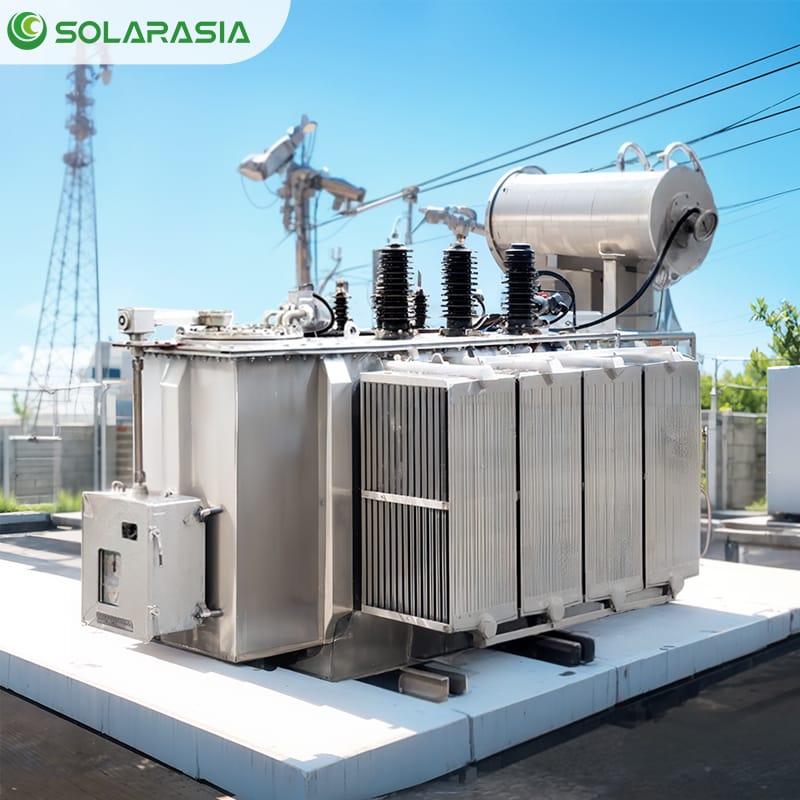
Transformer standards such as IEC 60076 and IEEE C57 define nominal environmental conditions to establish baseline performance ratings. These assumptions typically include a maximum ambient temperature of 40°C, an average daily temperature of 30°C, and installation altitudes below 1,000 meters. Under these conditions, cooling systems, insulation structures, and mechanical components are designed to operate safely within acceptable thermal and electrical limits.
In practice, many projects operate far outside these reference environments. Solar and wind power plants are often located in deserts or high-altitude regions. Urban substations may experience elevated ambient temperatures due to heat island effects. Coastal installations face persistent salt-laden air, while industrial zones expose equipment to chemical pollutants and conductive dust.
The gap between standard assumptions and real-world conditions is where the climate impact on transformers becomes most evident. A transformer designed strictly according to standard reference conditions may technically comply with specifications, yet still suffer from reduced reliability when deployed in harsher environments. Understanding this mismatch is the first step toward climate-resilient transformer design.
| Design Aspect | Standard Assumption | Common Real-World Deviation |
|---|---|---|
| Ambient temperature | Max 40°C | 45–55°C in hot climates |
| Humidity | Moderate | Persistent high humidity |
| Pollution | Light | Coastal or industrial pollution |
| Altitude | ≤1000 m | 2000–4000 m installations |
3. Temperature Variations and Their Impact on Transformer Performance
Temperature is the most influential environmental factor affecting transformer operation. Both high and low ambient temperatures directly impact thermal performance, insulation aging, and loading capability. As a result, temperature-related effects represent a major component of the climate impact on transformers.
High Ambient Temperatures
In hot climates, elevated ambient temperatures reduce the effectiveness of transformer cooling systems. Since heat dissipation depends on the temperature difference between internal components and the surrounding air, higher ambient temperatures lead to increased winding and oil temperatures under the same load conditions. This accelerates insulation aging, as insulation life approximately halves for every 6–8°C increase above the design limit.
Common consequences of sustained high temperatures include:
- Reduced permissible loading capacity
- Accelerated degradation of paper insulation
- Increased risk of hot spots and thermal runaway
To mitigate these risks, transformers in hot climates often require enhanced cooling systems, higher insulation thermal classes, or conservative derating strategies.
Low Ambient Temperatures
Cold climates introduce a different set of challenges. Low temperatures increase oil viscosity, which can impede natural oil circulation and reduce cooling efficiency during startup. Mechanical stresses may also increase due to differential thermal contraction of materials.
Design measures for cold environments typically include low-temperature-rated insulating oils, heating elements, and materials selected for improved low-temperature toughness. These adaptations ensure reliable startup and stable operation even under extreme cold conditions.
4. Humidity, Rainfall, and Moisture Effects on Transformer Insulation
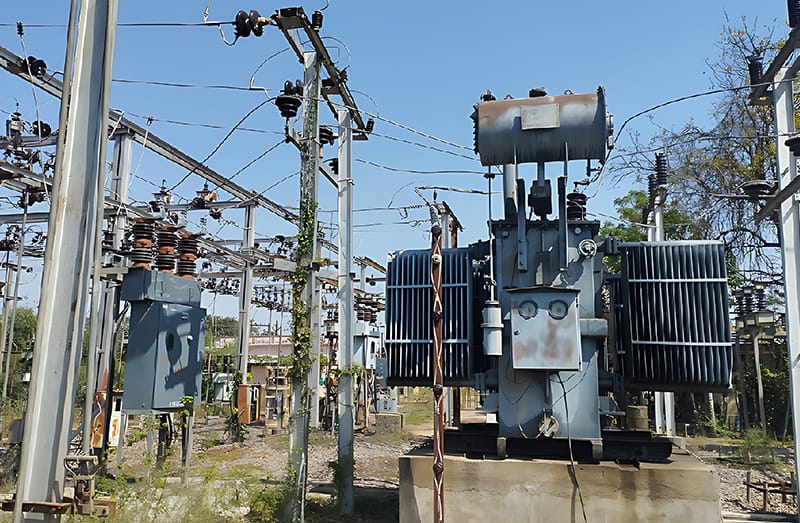
Humidity and moisture exposure significantly affect transformer insulation systems, particularly in tropical and subtropical regions. Moisture ingress reduces dielectric strength, increases partial discharge risk, and accelerates insulation aging. Over time, these effects compromise transformer reliability and safety.
High humidity environments often experience condensation within enclosures, especially during temperature fluctuations between day and night. For outdoor installations, frequent rainfall further increases the risk of moisture penetration if sealing systems are inadequate.
| Environmental Condition | Potential Impact on Transformers | Typical Mitigation Measures |
| High humidity | Reduced insulation resistance | Improved sealing, dehumidifiers |
| Heavy rainfall | Moisture ingress | Higher IP-rated enclosures |
| Condensation cycles | Partial discharge risk | Anti-condensation heaters |
Addressing moisture-related risks is a critical part of managing the climate impact on transformers, especially for installations in monsoon or coastal climates.
5. Coastal, Desert, and Polluted Environments: Environmental Stress Beyond Standard Design
Certain environments impose combined stresses that exceed those of temperature or humidity alone. Coastal regions expose transformers to salt spray, which accelerates corrosion and increases surface conductivity on insulation. Desert environments subject equipment to abrasive sand, intense solar radiation, and extreme temperature variations. Industrial areas may introduce chemical pollutants and conductive dust.
These conditions amplify the climate impact on transformers by increasing the likelihood of surface flashover, corrosion-related failures, and mechanical wear. In such cases, standard creepage distances, coatings, and enclosure designs may be insufficient.
Design strategies for harsh environments often include:
- Increased creepage and clearance distances
- Anti-corrosion coatings or stainless steel components
- Sealed or pressurized enclosures
6. Altitude Effects on Transformer Cooling and Insulation
Altitude affects transformer performance primarily through reduced air density. At higher elevations, lower air density decreases convective cooling efficiency and reduces dielectric strength of air insulation. As a result, transformers installed at high altitudes may experience higher operating temperatures and increased electrical stress.
Standards typically require derating or design adjustments for installations above 1,000 meters. These adjustments may include larger cooling surfaces, enhanced insulation levels, or reduced loading limits.
Altitude is often overlooked during early project planning, yet it plays a crucial role in the climate impact on transformers, particularly for renewable energy projects located in mountainous regions.
7. Why Standard Transformer Designs Cannot Address All Climate Conditions
The diversity of global climate conditions makes it impractical for a single standard transformer design to perform optimally in all environments. While standard designs provide a reliable baseline, they are inherently based on averaged assumptions that may not reflect site-specific realities.
As demonstrated in previous sections, temperature extremes, humidity, pollution, and altitude each introduce unique stresses. When combined, these factors further magnify operational risks. Consequently, relying solely on standard configurations can lead to compromised performance or reduced service life in non-typical environments.
Recognizing these limitations is essential for engineers and project developers seeking to manage the climate impact on transformers proactively rather than reactively.
8. Climate-Driven Design Adjustments in Transformer & Substation Projects
Climate-driven design adjustments translate environmental data into engineering decisions. These adjustments may affect cooling methods, insulation systems, enclosure design, and material selection. Importantly, such modifications are not deviations from standards, but rather applications of standards to specific site conditions.
Examples of climate-driven adjustments include:
- Selecting forced cooling for high-temperature regions
- Increasing insulation margins for polluted environments
- Enhancing enclosure sealing in humid or coastal areas
These measures help align transformer design with actual operating conditions, thereby mitigating the long-term effects of climate-related stress.
9. The Role of Customized Design in Managing Climate Impact on Transformers
Customized design plays a central role in addressing the climate impact on transformers. Customization does not imply non-standard engineering; instead, it involves tailoring standard-compliant designs to match site-specific environmental requirements.
By integrating local climate data during the design phase, manufacturers can optimize thermal performance, insulation coordination, and mechanical durability. Early collaboration between project owners and manufacturers enables informed trade-offs between cost, performance, and reliability.
10. How to Select Transformers Based on Local Climate Conditions
Effective transformer selection begins with a comprehensive understanding of site conditions. Key environmental parameters include maximum and minimum ambient temperatures, humidity levels, altitude, pollution severity, and installation type (indoor or outdoor).
Providing accurate environmental data allows engineers to evaluate whether standard designs are sufficient or whether climate-adapted configurations are necessary. This structured approach ensures that the selected transformer aligns with both technical requirements and long-term operational goals.
11.Practical Engineering Checklist for Climate-Resilient Transformer Projects
To support practical implementation, the following checklist summarizes key considerations for addressing climate impact on transformers:
- Verify maximum, minimum, and average ambient temperatures
- Assess humidity levels and condensation risk
- Determine pollution severity and corrosion exposure
- Confirm installation altitude and apply correction factors
- Evaluate ventilation, shading, and enclosure design
- Engage manufacturers early for climate-adaptive design input
This checklist reflects industry best practices and reinforces the importance of integrating climate analysis into early project stages.
12.Typical Transformer Failures Caused by Ignoring Climate Conditions
In many power projects, transformer failures are not the result of design flaws in a narrow technical sense, but rather the consequence of environmental factors that were underestimated or overlooked during the planning stage. When climate conditions are treated as secondary considerations, equipment that fully complies with electrical specifications may still experience premature failure in service.
One common failure mode in hot climates is accelerated insulation aging leading to winding short circuits. Transformers designed without sufficient thermal margin may operate continuously at elevated hot-spot temperatures, especially during peak load periods. Over time, the loss of mechanical strength in paper insulation increases susceptibility to deformation during short-circuit events, resulting in internal faults that are difficult to repair.
In humid and tropical regions, moisture-related failures are among the most frequently reported issues. Elevated moisture content reduces dielectric strength and increases the likelihood of partial discharge activity. These discharges may persist undetected for long periods, gradually degrading insulation until a sudden breakdown occurs. Such failures are often misattributed to manufacturing defects, when in reality they stem from environmental exposure inconsistent with the original design assumptions.
Coastal and industrial environments introduce additional risks associated with pollution and corrosion. Surface contamination on bushings and external insulation can lead to flashover during periods of high humidity or light rain. Corrosion of cooling components and structural parts further compromises thermal performance and mechanical integrity. These mechanisms collectively illustrate how ignoring the climate impact on transformers transforms predictable environmental stress into avoidable operational risk.
13.Lifecycle Cost Comparison: Standard vs Climate-Adaptive Transformer Design
Initial procurement cost is often a primary decision criterion in transformer selection, particularly in price-sensitive projects. However, a narrow focus on upfront cost can obscure the broader economic implications of climate-related performance degradation. Lifecycle cost analysis provides a more comprehensive framework for evaluating the true value of climate-adaptive transformer design.
Standard transformer designs are optimized for typical environmental conditions. When deployed in harsher climates, they may require conservative loading, increased maintenance, or early replacement to maintain acceptable reliability. These indirect costs accumulate over time, often exceeding the initial savings achieved through lower purchase price.
By contrast, climate-adaptive transformer designs incorporate enhanced thermal margins, improved sealing, corrosion-resistant materials, and environment-specific insulation coordination. While these features may increase initial cost, they reduce the frequency of outages, extend service life, and lower maintenance requirements. Over a 20- to 30-year operating period, the total cost of ownership for a climate-adapted transformer is frequently lower than that of a standard unit operating under environmental stress.
| Cost Component | Standard Design in Harsh Climate | Climate-Adaptive Design |
| Initial cost | Lower | Moderate |
| Maintenance | Higher | Lower |
| Failure risk | Elevated | Reduced |
| Service life | Shortened | Extended |
This comparison reinforces the strategic value of addressing climate impact on transformers as an investment in long-term system reliability rather than a discretionary upgrade.
14.Climate Considerations for Renewable Energy and Utility Substations
The rapid expansion of renewable energy has introduced new challenges related to climate and site conditions. Solar and wind power plants are frequently located in environments characterized by extreme temperatures, high altitude, or remote locations with limited maintenance access. In such projects, transformer and substation design must accommodate both environmental stress and variable operating profiles.
Solar power plants in desert regions often experience high ambient temperatures combined with intense solar radiation. Transformers in these installations must handle sustained thermal stress while accommodating daily load fluctuations. Wind power projects, particularly those in mountainous or coastal areas, face combined challenges of altitude, humidity, and salt exposure.
Utility substations serving renewable generation must also address climate resilience at the system level. Redundant cooling, robust enclosure design, and enhanced monitoring systems help mitigate the compounded risks associated with harsh environments and intermittent generation. These applications highlight the growing importance of climate-adaptive engineering in modern power systems and further emphasize the climate impact on transformers in emerging energy infrastructure.
15.Strategic Engineering Outlook: Climate Impact on Transformers in Future Power Systems
Looking ahead, climate variability and extreme weather events are expected to place increasing demands on power infrastructure. Rising average temperatures, more frequent heat waves, and changing humidity patterns will intensify environmental stress on transformers and substations worldwide.
From a strategic engineering perspective, addressing the climate impact on transformers requires a shift from reactive mitigation to proactive design. This includes integrating climate data into early project planning, applying conservative design margins where uncertainty exists, and leveraging customization as a standard engineering tool rather than an exception.
Engineers and asset owners who adopt this forward-looking approach will be better positioned to maintain system reliability, manage lifecycle costs, and support the long-term sustainability of power networks. In this context, climate-adaptive transformer design is not merely a response to current conditions, but a foundational element of resilient power system development.
16. Conclusion: Designing Reliable Power Systems in a Changing Climate
ال climate impact on transformers is a decisive factor in determining the reliability, efficiency, and lifespan of power systems. While standard designs remain appropriate for typical environments, many modern projects operate under conditions that demand greater attention to environmental factors.
By understanding how climate influences transformer performance and by applying climate-adapted design principles, engineers and project developers can significantly reduce operational risks. In an era of expanding renewable energy deployment and increasing climate variability, integrating environmental considerations into transformer and substation design is no longer optional—it is an essential aspect of responsible power system engineering.
17.Enhance Your Transformer Reliability Today
Ensuring your transformers and substations operate reliably under challenging climate conditions is not optional—it’s essential for long-term system performance. Explore our range of climate-adapted and customized transformer solutions, including oil-immersed, dry-type, and modular designs, engineered for temperature extremes, high humidity, coastal environments, and high-altitude installations.
✅ Take action now: Evaluate your project’s environmental conditions and consult our technical team to select the transformer solution best suited for your site-specific requirements. Enhance reliability, extend equipment lifespan, and safeguard your power infrastructure against the climate impact on transformers.
Request a Consultation or View Our Climate-Adapted Transformers