1.Introduction
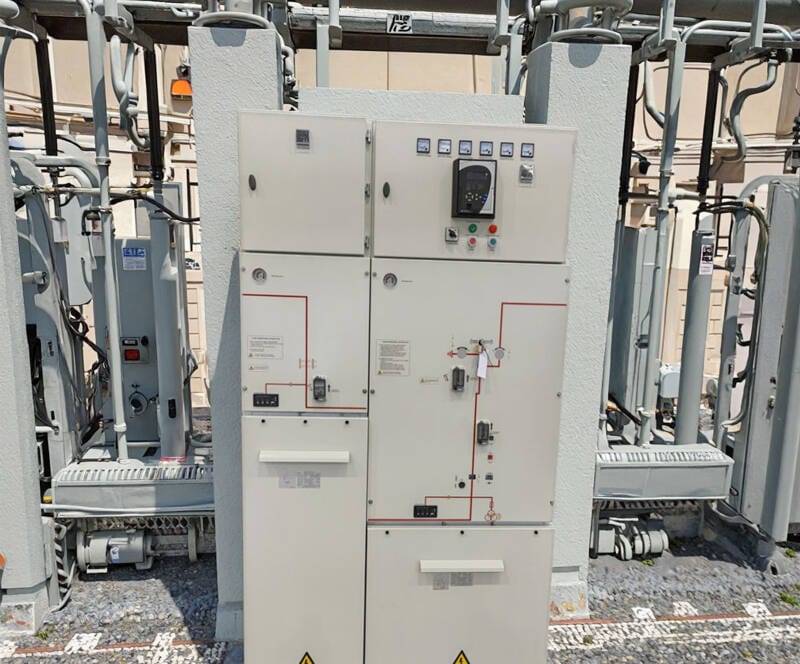
Power transformers are the backbone of electrical distribution systems, stepping up or stepping down voltages to enable efficient transmission and safe utilization of electricity across industries, utilities, commercial facilities, and infrastructure. Despite their robust design, transformers are subject to immense electrical, thermal, and mechanical stresses throughout their operational life, often spanning decades. When common transformer failures occur, the consequences can be severe: unplanned downtime, high repair or replacement costs, safety hazards, and even cascading power outages.
Industry analyses indicate that a significant percentage of transformer failures stem from preventable causes such as overheating, insulation degradation, moisture ingress, and operational overloads. According to various reliability studies, failure rates for power transformers can range notably depending on age, maintenance practices, and operating conditions, with many failures linked to insulation issues accelerated by heat and contamination.
This comprehensive guide explores common transformer failures (also referred to as transformer faults, breakdowns, or malfunctions), their root causes, early detection methods, and proven prevention strategies. Drawing from established industry standards (IEEE, IEC) and field best practices, this article provides actionable insights for electrical engineers, maintenance managers, and facility operators. By implementing the recommendations here, you can significantly reduce the risk of transformer failures, extend equipment life, and improve system reliability. According to industry reliability surveys, the overall failure rate of power transformers is typically below 1% per year, with common transformer failures often linked to windings, tap changers, and bushings
Whether you operate oil-immersed, dry-type, power, or distribution transformers, understanding these issues is essential for minimizing costly disruptions.
Table of Contents (TOC)
- Introduction
- Understanding Common Transformer Failures: Why They Matter
- Major Types of Common Transformer Failures and Their Causes
- Early Warning Signs of Transformer Problems
- Best Practices to Prevent Transformer Failures
- Advanced Monitoring and Diagnostic Techniques
- Case Studies: Real-World Transformer Failures and Lessons Learned
- FAQs About Common Transformer Failures
- Conclusion
2.Understanding Common Transformer Failures: Why They Matter
Transformer failures rarely happen suddenly. They typically result from cumulative stresses over time, including thermal aging, electrical surges, mechanical forces, and environmental factors. Statistics from utility and forensic reports show that design/manufacturing/installation issues account for roughly 30-35% of failures, while aging and overheating contribute around 20%, with the remainder tied to operational and maintenance shortcomings.
The financial impact is substantial. Failures can lead to losses from production halts, emergency repairs, and potential liability. More critically, catastrophic failures involving oil fires or explosions pose serious safety and environmental risks.
Key synonyms and related terms for common transformer failures include: power transformer faults, distribution transformer problems, insulation breakdown, winding faults, overheating incidents, and dielectric failures. Addressing these proactively through maintenance and monitoring is far more cost-effective than reactive repairs.
3.Major Types of Common Transformer Failures and Their Causes
1. Overheating and Overloading
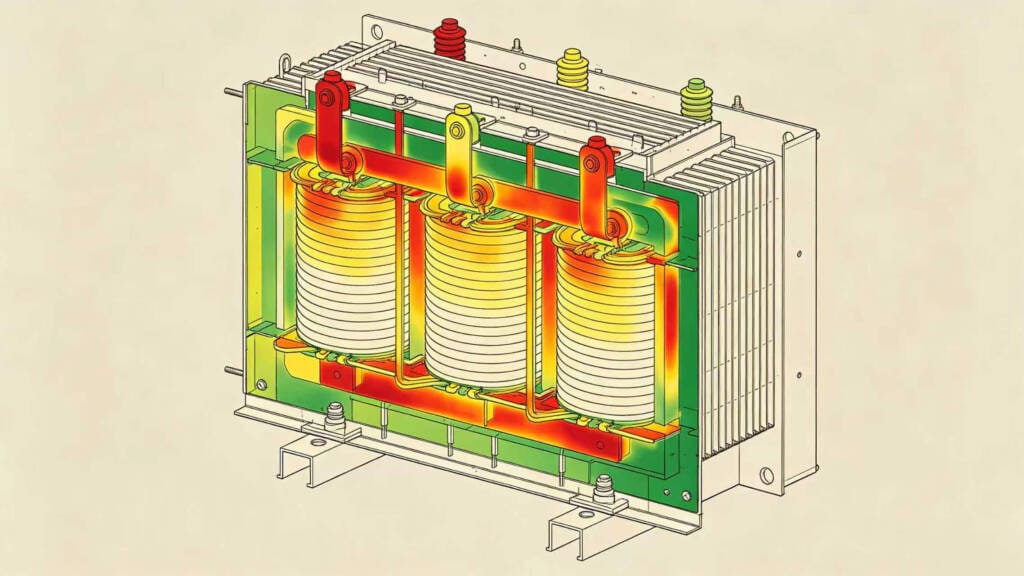
Overheating remains one of the leading causes of transformer failures. It occurs when the transformer operates beyond its rated capacity, experiences restricted cooling, or faces high ambient temperatures. Every 10°C rise above the design temperature can roughly halve the insulation life.
Causes:
- Sustained overloading
- Blocked ventilation or failed cooling fans/pumps
- Harmonic distortions increasing eddy current losses
- Poor oil circulation in oil-immersed units
Consequences: Accelerated insulation aging, reduced dielectric strength, and eventual winding deformation or breakdown.
2. Insulation Degradation and Breakdown
Insulation failure is among the most prevalent transformer faults. The cellulose paper and oil (or solid insulation in dry-types) degrade due to heat, oxygen, moisture, and chemical byproducts.
Contributing factors:
- Thermal aging
- Moisture contamination (even small amounts drastically reduce dielectric strength)
- Partial discharges
- Chemical contamination
3. Moisture and Oil Contamination
In oil-immersed transformers, moisture is a silent killer. It enters through leaks, breathing, or poor sealing and accelerates paper insulation breakdown. Contaminants like sludge, acids, and particles further compromise performance.
4. Short Circuits and Electrical Surges
Internal or external short circuits generate massive mechanical forces that can deform windings. Lightning strikes, switching surges, and system faults introduce overvoltages that stress insulation.
5. Mechanical and Structural Issues
These include winding deformation from short-circuit forces, core loosening, loose connections, bushing failures, and tank leaks. Vibration and improper transportation/installation exacerbate these problems.
6. Other Notable Failures
- Tap changer malfunctions
- Cooling system failures
- Partial discharge activity
- Ferroresonance in certain configurations
For detailed interpretation of dissolved gas analysis results, refer to the IEEE C57.104-2019 standard, which provides comprehensive guidelines for identifying faults in mineral oil-immersed transformers.
Summary Table: Common Transformer Failures, Causes, and Indicators
| Failure Type | Primary Causes | Common Indicators | Approximate Contribution (Industry Est.) |
|---|---|---|---|
| Overheating/Overloading | Excess load, poor cooling | High oil/winding temp, humming | High (leading cause) |
| Insulation Degradation | Heat, moisture, age | Reduced IR values, DGA anomalies | 20-40% |
| Moisture/Oil Contamination | Leaks, poor maintenance | High moisture ppm, low BDV | Significant |
| Short Circuits/Surges | External faults, lightning | Winding deformation, trip events | 10-20% |
| Mechanical Issues | Vibrations, short-circuit forces | Abnormal noise, oil leaks | Variable |
4.Early Warning Signs of Transformer Problems
Detecting issues early is key to preventing full transformer failures. Look for:
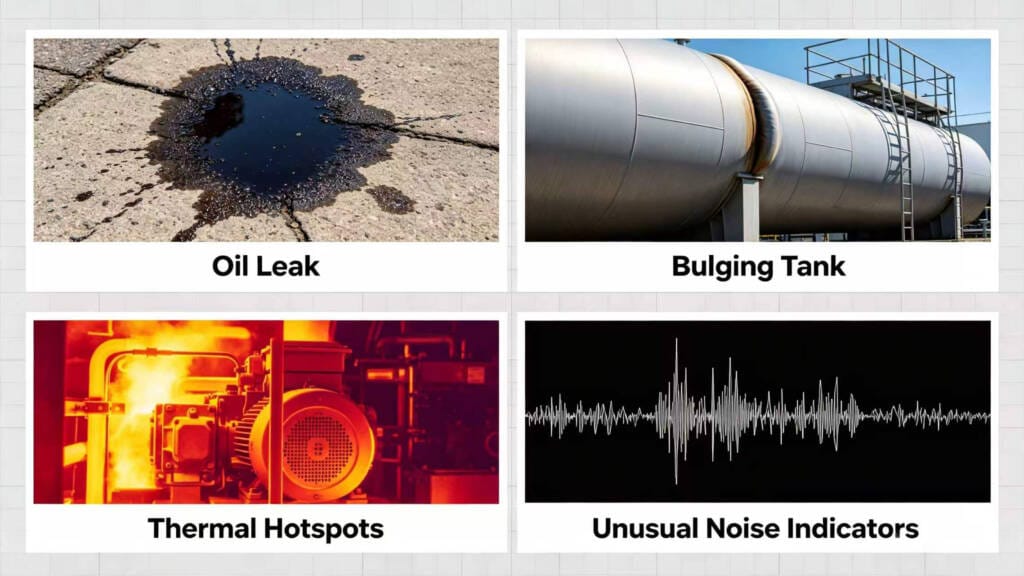
- Visual/Audible/Olfactory: Oil leaks, discoloration, unusual humming or knocking, burnt smell, bulging tank.
- Temperature Anomalies: Rising top oil or winding temperatures.
- Operational Changes: Increased no-load losses, frequent tripping, or voltage irregularities.
- Diagnostic Signals: Abnormal Dissolved Gas Analysis (DGA) results, declining insulation resistance (IR), or power factor changes.
Dissolved Gas Analysis (DGA) is particularly powerful. Faults generate characteristic gases:
- Hydrogen & Methane: Partial discharge
- Ethylene & Ethane: Thermal faults
- Acetylene: Arcing/high-energy discharge
Regular DGA trending against IEEE C57.104 guidelines allows early intervention.
Don’t wait for a failure to occur. Implement early detection strategies now.
👉Schedule a thermographic inspection or DGA oil analysis with our certified technicians.
5.Best Practices to Prevent Transformer Failures
Preventing common transformer failures requires a multi-layered approach encompassing design, installation, operation, and maintenance. Recommended maintenance practices align closely with NFPA 70B and ANSI/NETA MTS standards for electrical equipment.
Proper Specification and Installation
Select transformers with adequate K-factor for harmonics, appropriate cooling class, and safety margins. Ensure proper ventilation, foundation, grounding, and protection from environmental extremes during installation.
Load Management and Protection
Avoid sustained overloading. Implement protective relays, surge arresters, and proper coordination to mitigate short circuits and surges.
Routine and Preventive Maintenance
Develop a schedule based on manufacturer recommendations, age, and criticality:
- Daily/Weekly: Check oil levels, temperatures, noises, leaks, and cooling systems.
- Monthly/Quarterly: Infrared thermography, oil sampling, visual inspections.
- Annually: Comprehensive electrical testing (turns ratio, winding resistance, insulation power factor), DGA, and cleaning.
Maintenance Checklist Table
| Frequency | Key Tasks | Purpose |
|---|---|---|
| Daily | Oil level/temp, visual, noise | Immediate issue detection |
| Monthly | Cooling system check, connections tightness | Prevent overheating |
| Quarterly | Oil sampling (DGA, moisture, BDV) | Early fault detection |
| Annually | Full electrical tests, thermography | Assess insulation health |
| As Needed | Oil filtration/replacement, bushing cleaning | Restore dielectric properties |
Advanced Strategies
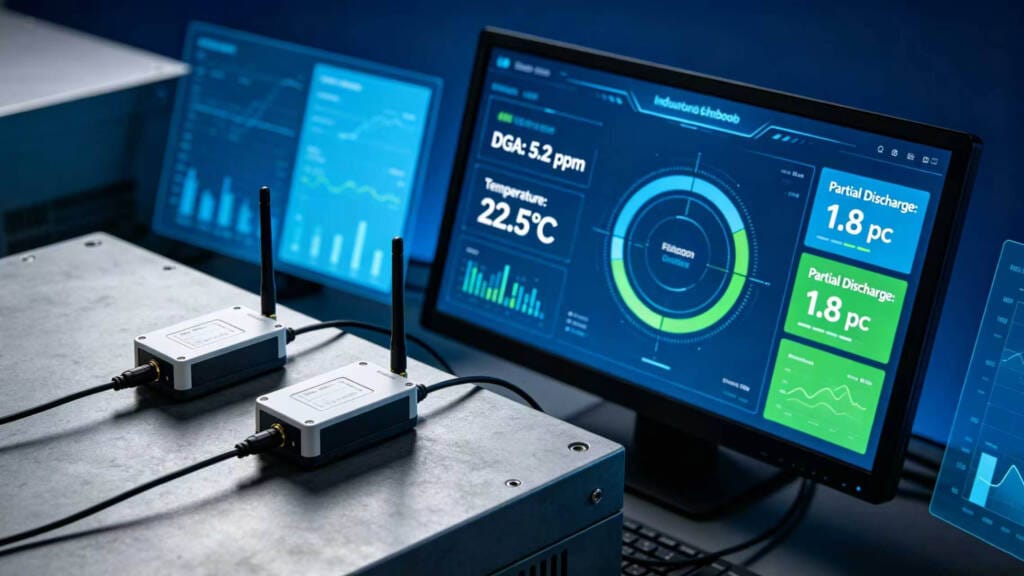
- Online monitoring systems (DGA, partial discharge, fiber optic temperature sensors)
- Regular thermographic surveys
- Oil reclamation or regeneration for aged units
- Training for operators on best practices
Consistent maintenance can prevent up to 70% of avoidable failures.
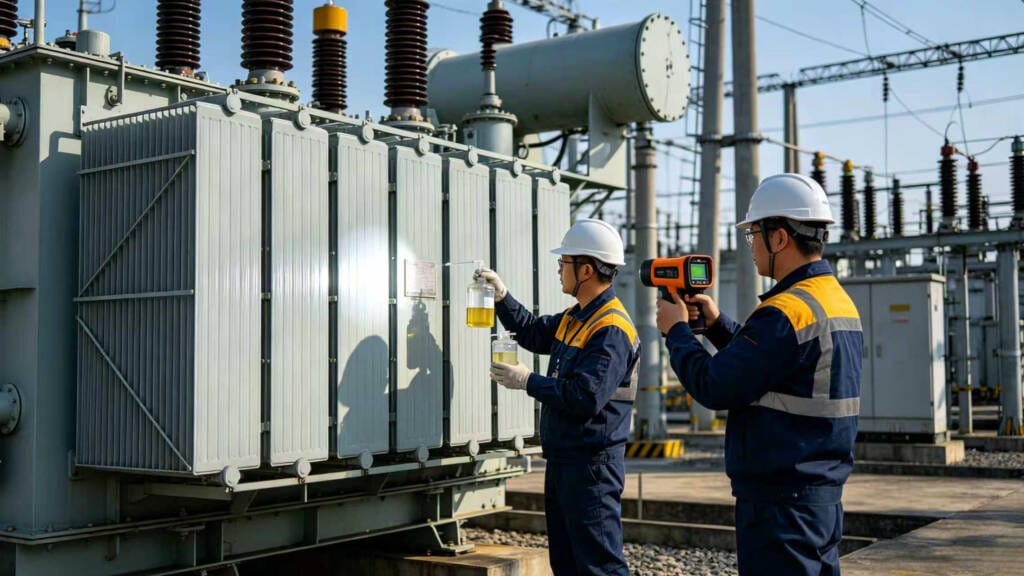
Implementing a robust preventive maintenance program is the most effective way to avoid common transformer failures.
👉Let us help you create a customized maintenance plan that fits your operational needs.
6.Advanced Monitoring and Diagnostic Techniques
Beyond basic checks, modern tools enhance reliability:
- DGA and Interpretation: Key gas ratios and Duval Triangle methods.
- Sweep Frequency Response Analysis (SFRA): Detects mechanical winding shifts.
- Dielectric Spectroscopy and Tan Delta: Assesses insulation condition.
- Vibration Analysis and Ultrasonic Testing: For mechanical issues.
- IoT and AI-based Predictive Maintenance: Real-time alerts and trend analysis.
Integrating these elevates your program from preventive to predictive, minimizing transformer faults.
Modern diagnostic techniques, including Sweep Frequency Response Analysis (SFRA) and advanced DGA, are detailed in various IEEE guides on transformer diagnostics.
7.Case Studies: Real-World Transformer Failures and Lessons Learned
Case 1: Overheating Due to Overload A manufacturing plant experienced repeated trips on a distribution transformer. Investigation revealed chronic overloading during peak shifts. Solution: Load redistribution and addition of a parallel unit prevented recurrence.
Case 2: Insulation Failure from Moisture An outdoor substation transformer failed after years of minor seal degradation. High moisture led to low dielectric strength and flashover. Regular oil testing and seal maintenance could have averted this.
These examples underscore that most common transformer failures are predictable and preventable with diligence.
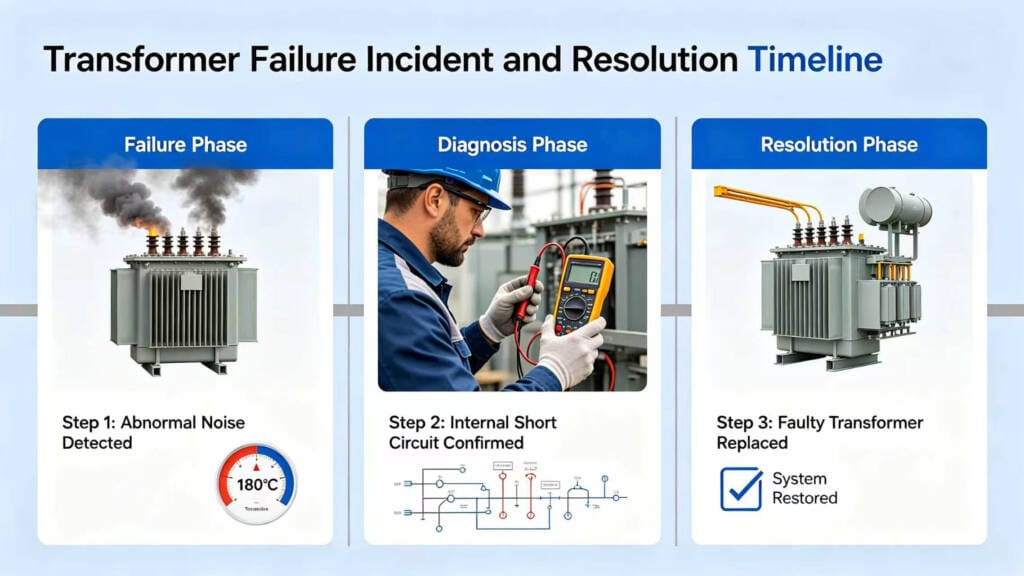
These real-world examples show how proactive measures prevent costly outages.
👉If you want similar results for your facility, reach out to us for a transformer reliability audit.
8.FAQs About Common Transformer Failures
Q: What is the most common cause of transformer failures?
A: Overheating and insulation degradation, often driven by overloading, moisture, and aging.
Q: How often should transformers be maintained?
A: Daily visual checks, quarterly oil analysis for critical units, and annual comprehensive testing.
Q: Can dry-type transformers fail similarly to oil-filled ones?
A: Yes, though they avoid oil issues, they are susceptible to overheating, moisture (in some environments), dust, and electrical stresses.
Q: What role does DGA play?
A: It provides early detection of internal faults by analyzing gases produced by degradation or arcing.
Q: How long can a well-maintained transformer last?
A: 30-50+ years, depending on design, loading, and maintenance quality.
9.Conclusion
Common transformer failures—whether from overheating, insulation breakdown, contamination, or surges—pose significant risks but are largely avoidable. By understanding root causes, monitoring early warning signs, and implementing rigorous preventive maintenance aligned with IEEE and IEC standards, organizations can achieve exceptional reliability, reduce costs, and enhance safety.
Investing in proper transformer management yields high returns through extended asset life and operational continuity. If you manage critical transformers, consider partnering with experienced professionals for audits, testing, or upgrades.
For expert guidance on transformer selection, maintenance programs, or failure analysis, contact our team today for a consultation. Protect your investment and ensure uninterrupted power.
Ready to protect your transformers from common transformer failures?